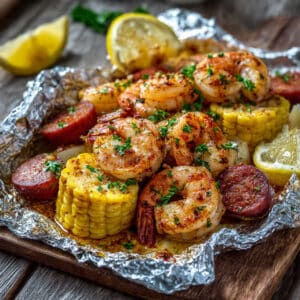
Shrimp scampi is buttery, garlicky, and easy enough for a Tuesday night when you just want something delicious without the fuss. With just a handful of simple ingredients, tender shrimp, golden garlic, a splash of white wine, and bright lemon, you can have an elegant, restaurant-quality meal on the table in about 15 minutes.
Love More Shrimp Recipes? Try My Garlic Paprika Shrimp Skillet or this Shrimp and Corn Chowder next.
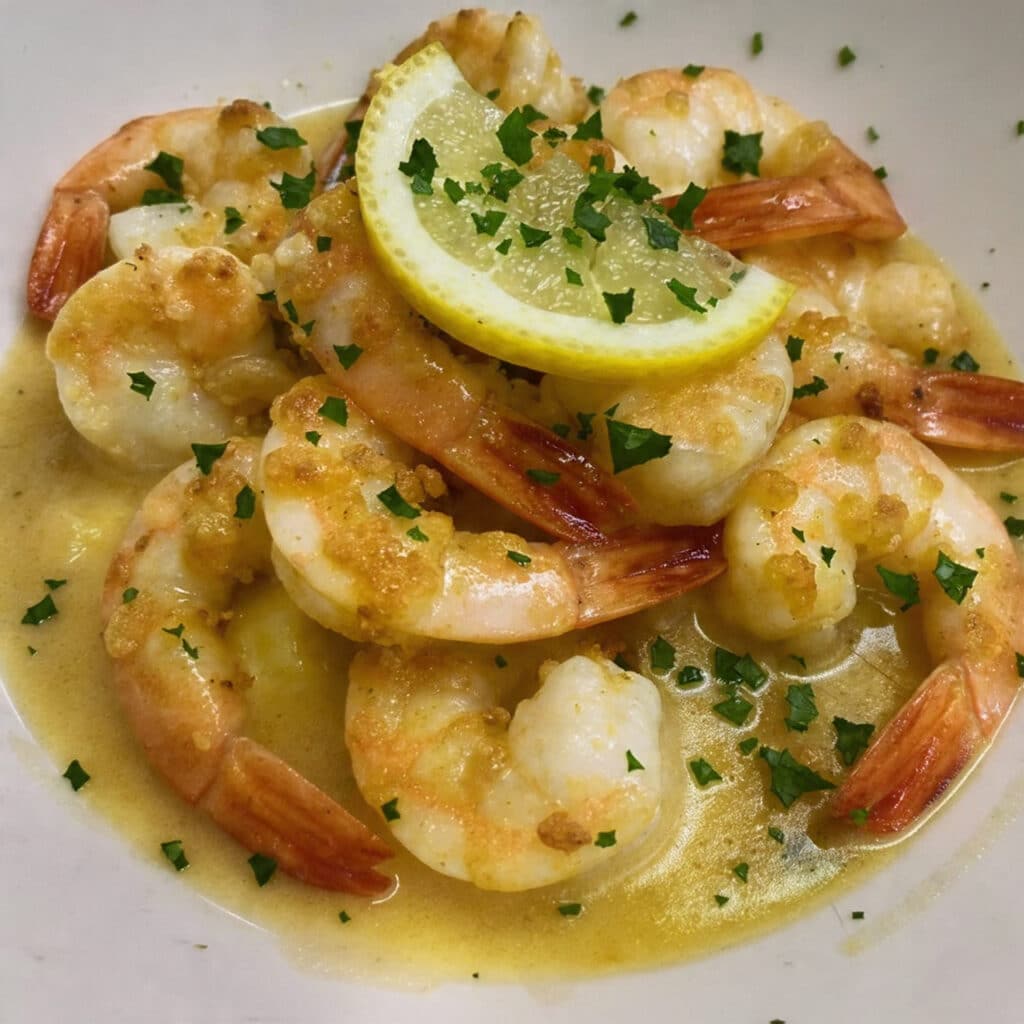
Why You’ll Love This Recipe
- It’s quick – From start to finish in just 15 minutes, perfect for busy weeknights or last-minute dinner guests.
- Simple, pantry-friendly ingredients – No fancy shopping trips required; just real, wholesome ingredients you probably already have.
- Tastes like a million bucks – The buttery garlic sauce with a hint of wine and lemon tastes like something you’d order at a fancy Italian restaurant.
- Crowd-pleaser every time – Kids, husbands, picky eaters—everyone loves this dish.
- Versatile and flexible – Serve it over pasta, with crusty bread, or on its own for a light, low-carb option.
Classic Shrimp Scampi
- Total Time: 15 minutes
- Yield: 4 servings
Description
This easy shrimp scampi recipe features plump shrimp sautéed in a buttery garlic white wine sauce with fresh lemon and parsley. Ready in 15 minutes, it’s an elegant yet simple weeknight dinner that tastes like restaurant-quality Italian comfort food. Serve over pasta or with bread for dipping.
Ingredients
For the Shrimp:
-
1 1/2 pounds large shrimp, peeled and deveined (fresh or frozen and thawed)
For the Sauce:
-
2 tablespoons butter
-
2 tablespoons extra-virgin olive oil
-
4 cloves garlic, minced
-
1/2 cup dry white wine (or chicken broth if you prefer)
-
3/4 teaspoon kosher salt, or to taste
-
1/4 teaspoon red pepper flakes (optional, but adds a nice little kick)
For Finishing:
-
Fresh lemon juice from 1/2 lemon (about 1 1/2 tablespoons)
-
2 tablespoons fresh parsley, finely chopped
Instructions
In a large skillet over medium heat, melt the butter with the olive oil until the butter is completely melted and starts to shimmer.
Add the minced garlic and sauté for about 30 seconds, stirring constantly, until it’s fragrant and golden. Watch it carefully—burnt garlic turns bitter, and we definitely don’t want that.
Add the white wine (or chicken broth), salt, and red pepper flakes to the skillet. Bring everything to a gentle simmer and let the liquid reduce by about half, which takes about 2–3 minutes. Stir occasionally and watch as the sauce starts to concentrate and smell absolutely heavenly.
Add the shrimp to the skillet in a single layer. Don’t crowd them—they need space to cook evenly and get that beautiful golden color on the edges.
Cook the shrimp for about 2–3 minutes without moving them around too much, until they turn pink on the bottom. Flip each shrimp over and cook another 2 minutes until they’re just cooked through and opaque. The secret here is to not overcook them—rubbery shrimp is nobody’s friend.
Squeeze fresh lemon juice all over the shrimp and toss everything together with the chopped parsley. The bright, zesty lemon cuts through the richness and makes every bite sing.
Remove the skillet from the heat and serve right away while it’s hot and the sauce is silky. This dish waits for no one, it’s best enjoyed fresh from the pan.
Notes
-
Don’t skip the wine reduction step—letting the wine simmer down concentrates the flavor and cooks off the raw alcohol taste, leaving behind a beautiful, mellow complexity.
-
Size matters with shrimp—look for large or jumbo shrimp (labeled 16/20 or 21/25 count per pound) because they’re easier to cook without overdoing them.
-
Add an extra pat of butter at the end—swirl in one more tablespoon of cold butter off the heat to make the sauce extra silky and glossy.
-
Season your shrimp lightly with salt and pepper before they hit the pan for even more flavor.
-
If your skillet is crowded, cook the shrimp in two batches so they sear properly instead of steaming.
- Prep Time: 5–10 minutes
- Cook Time: 5–7 minutes
- Category: Main Dish
- Method: Sauté
- Cuisine: Italian-American
Ingredients You’ll Need
For the Shrimp:
- 1 1/2 pounds large shrimp, peeled and deveined (fresh or frozen and thawed)
For the Sauce:
- 2 tablespoons butter
- 2 tablespoons extra-virgin olive oil
- 4 cloves garlic, minced
- 1/2 cup dry white wine (or chicken broth if you prefer)
- 3/4 teaspoon kosher salt, or to taste
- 1/4 teaspoon red pepper flakes (optional, but adds a nice little kick)
For Finishing:
- Fresh lemon juice from 1/2 lemon (about 1 1/2 tablespoons)
- 2 tablespoons fresh parsley, finely chopped
Tip: Look for shrimp that’s already peeled and deveined to save yourself precious time. And don’t worry if you only have frozen shrimp—just thaw them in cold water for about 10 minutes and pat them dry.
Why These Ingredients Work
Butter and olive oil together create the perfect base, butter gives you that rich, silky flavor while the olive oil keeps the butter from burning over higher heat.
Garlic is the soul of this dish; when it hits that warm oil, it releases the most incredible aroma that fills your whole kitchen. The white wine isn’t just for show, it adds acidity and depth that balances the richness of the butter and helps create that glossy, restaurant-style sauce.
A squeeze of fresh lemon juice at the end brightens everything up and makes those shrimp taste even sweeter and more delicious.
Fresh parsley isn’t just a garnish; it adds a pop of color and a fresh, herbaceous note that ties it all together. And those red pepper flakes? Just a tiny pinch adds warmth without making it spicy, it’s that little secret ingredient that makes people ask, “What’s in this?”
Essential Tools and Equipment
- Large skillet (preferably non-reactive like stainless steel or non-stick; avoid cast iron or unlined copper when cooking with wine and lemon)
- Wooden spoon or silicone spatula for stirring
- Chef’s knife for mincing garlic
- Cutting board
- Paper towels for drying shrimp
- Measuring spoons and cups
- Citrus juicer or fork for squeezing lemon
Step-by-Step Instructions
Step 1: Make the Sauce Base
In a large skillet over medium heat, melt the butter with the olive oil until the butter is completely melted and starts to shimmer.
Step 2: Sauté the Garlic
Add the minced garlic and sauté for about 30 seconds, stirring constantly, until it’s fragrant and golden. Watch it carefully—burnt garlic turns bitter, and we definitely don’t want that.
Step 3: Build the Wine Sauce
Add the white wine (or chicken broth), salt, and red pepper flakes to the skillet. Bring everything to a gentle simmer and let the liquid reduce by about half, which takes about 2–3 minutes. Stir occasionally and watch as the sauce starts to concentrate and smell absolutely heavenly.
Step 4: Add the Shrimp
Add the shrimp to the skillet in a single layer. Don’t crowd them—they need space to cook evenly and get that beautiful golden color on the edges.
Step 5: Cook the Shrimp
Cook the shrimp for about 2–3 minutes without moving them around too much, until they turn pink on the bottom. Flip each shrimp over and cook another 2 minutes until they’re just cooked through and opaque. The secret here is to not overcook them—rubbery shrimp is nobody’s friend.
Step 6: Add the Lemon and Parsley
Squeeze fresh lemon juice all over the shrimp and toss everything together with the chopped parsley. The bright, zesty lemon cuts through the richness and makes every bite sing.
Step 7: Serve Immediately
Remove the skillet from the heat and serve right away while it’s hot and the sauce is silky. This dish waits for no one, it’s best enjoyed fresh from the pan.
You Must Know
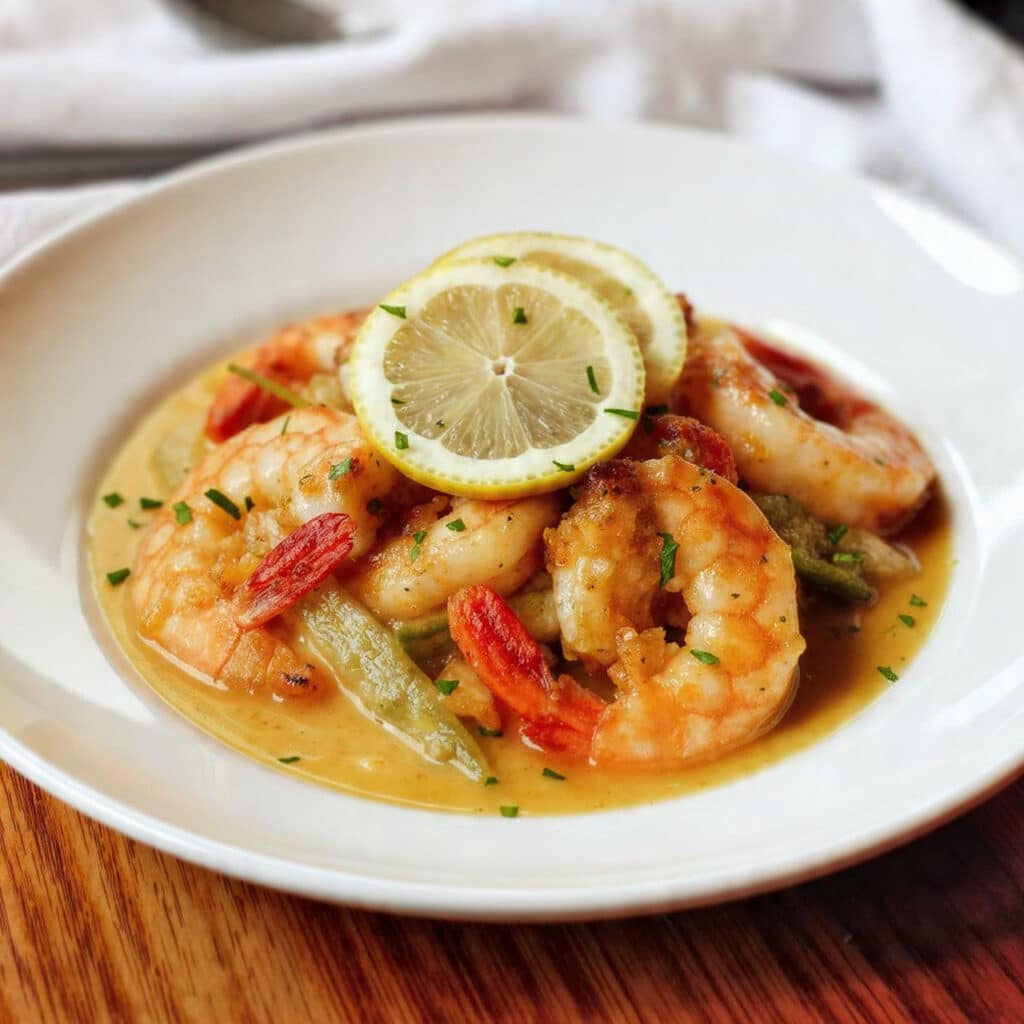
The single most important thing about cooking shrimp is not to overcook them. Shrimp cook incredibly fast, they go from perfectly tender to rubbery in just a minute or two.
Another critical step is patting your shrimp completely dry with paper towels before cooking. Wet shrimp will steam instead of sear, and you’ll miss out on those beautiful caramelized edges and concentrated flavor.
Personal Secret: Before you start cooking, have everything prepped and ready to go your garlic minced, your parsley chopped, your lemon cut and ready to squeeze.
Pro Tips & Cooking Hacks
- Don’t skip the wine reduction step—letting the wine simmer down concentrates the flavor and cooks off the raw alcohol taste, leaving behind a beautiful, mellow complexity.
- Size matters with shrimp—look for large or jumbo shrimp (labeled 16/20 or 21/25 count per pound) because they’re easier to cook without overdoing them.
- Add an extra pat of butter at the end—swirl in one more tablespoon of cold butter off the heat to make the sauce extra silky and glossy.
- Season your shrimp lightly with salt and pepper before they hit the pan for even more flavor.
- If your skillet is crowded, cook the shrimp in two batches so they sear properly instead of steaming.
- Save a little pasta water if you’re serving this over noodles—a splash helps the sauce cling to the pasta beautifully.
Flavor Variations & Suggestions
While this classic version is absolutely perfect as written, there are so many ways to make it your own. Try adding a splash of heavy cream at the end for a luscious, creamy scampi sauce that coats everything like a dream.
If you love bold flavors, double the garlic because is there really such a thing as too much garlic? Toss in some cherry tomatoes during the last minute of cooking for little bursts of sweetness.
For a Mediterranean twist, add a handful of briny capers or sliced Kalamata olives. Fresh herbs like basil or tarragon can stand in for the parsley if that’s what you have on hand.
And if you want to stretch this into a heartier meal, toss the finished shrimp and sauce with cooked angel hair pasta or linguine along with a splash of the starchy pasta water to help everything come together into one cohesive, dreamy dish.
Make-Ahead Options
Honestly, shrimp scampi is really best when made fresh and served immediately because shrimp can get tough when reheated. But if you want to get ahead of the dinner rush, you can prep all your ingredients earlier in the day, peel and devein the shrimp, mince the garlic, chop the parsley, and measure out everything so it’s ready to go.
Store each component in separate containers in the fridge, and when dinner time rolls around, you can have this on the table in less than 10 minutes. The actual cooking is so quick that there’s no need to make it ahead. If you do have leftovers, store them in an airtight container in the fridge for up to 2 days and reheat very gently in a skillet over low heat with a splash of white wine or broth to keep them from drying out.
What to Serve With Shrimp Scampi
This dish is incredibly versatile when it comes to sides. The classic pairing is angel hair pasta or linguine, just toss the cooked pasta right into the skillet with the shrimp and sauce, adding a little reserved pasta water to help everything meld together.
A big basket of warm, crusty Italian bread is non-negotiable for soaking up every last drop of that garlicky, buttery sauce. For a lighter option, serve it over zucchini noodles or alongside a simple arugula salad dressed with lemon and olive oil.
Roasted asparagus or sautéed green beans make wonderful vegetable sides that complement the richness without competing for attention. And if you want to make it a proper feast, start with a Caesar salad and finish with a light lemon sorbet or tiramisu for dessert.
Allergy Information
This recipe contains shellfish (shrimp), which is a common allergen. It also contains dairy (butter), so if you’re lactose intolerant or avoiding dairy, you can easily substitute the butter with additional olive oil or a dairy-free butter alternative.
The recipe is naturally gluten-free if served on its own or with gluten-free pasta.
For those avoiding alcohol, simply swap the white wine for low-sodium chicken broth or vegetable broth, you’ll still get a delicious, flavorful sauce.
If you have a garlic sensitivity, you can reduce the amount or use garlic-infused oil instead of fresh garlic cloves. There are no nuts, eggs, or soy in this recipe, making it suitable for many different dietary needs.
Storage & Reheating
Shrimp scampi is definitely best enjoyed fresh and hot from the pan, but life happens and sometimes you have leftovers. Store any extras in an airtight container in the refrigerator for up to 1–2 days.
When you’re ready to enjoy it again, reheat gently in a skillet over low heat with a small splash of white wine, chicken broth, or even just water to loosen up the sauce. You can also reheat it in the microwave in 30-second intervals, stirring between each one, but be very careful not to overcook the shrimp or they’ll turn rubbery.
Add a fresh squeeze of lemon juice and a sprinkle of parsley after reheating to brighten everything back up. Because shrimp is so delicate, I don’t recommend freezing this dish, the texture of the shrimp just won’t be the same once thawed.
Questions I Get Asked A Lot
Can I use frozen shrimp for this recipe?
Absolutely! Frozen shrimp works beautifully. Just make sure to thaw them completely first by placing them in a colander under cold running water for about 10 minutes. Pat them very dry with paper towels before cooking—this is super important because any excess moisture will prevent them from getting those nice golden edges.
My sauce seems too thin, how do I thicken it?
The best way to thicken the sauce is to let it reduce a bit longer before adding the shrimp, or swirl in an extra tablespoon of cold butter at the very end off the heat. The butter will emulsify with the sauce and make it silky and luscious. You can also add a teaspoon of cornstarch mixed with a tablespoon of cold water, but honestly, the butter method tastes better.
How do I know when the shrimp are perfectly cooked?
Perfectly cooked shrimp will be pink, opaque, and slightly curled into a loose “C” shape. If they curl into a tight spiral, they’re overcooked. It usually takes just 4–5 minutes total cooking time, so watch them closely and pull them off the heat as soon as they turn opaque.
💬 Tried this recipe? Leave a comment and rating below! I’d love to hear how it turned out for you—and if you added your own special twist, please share!