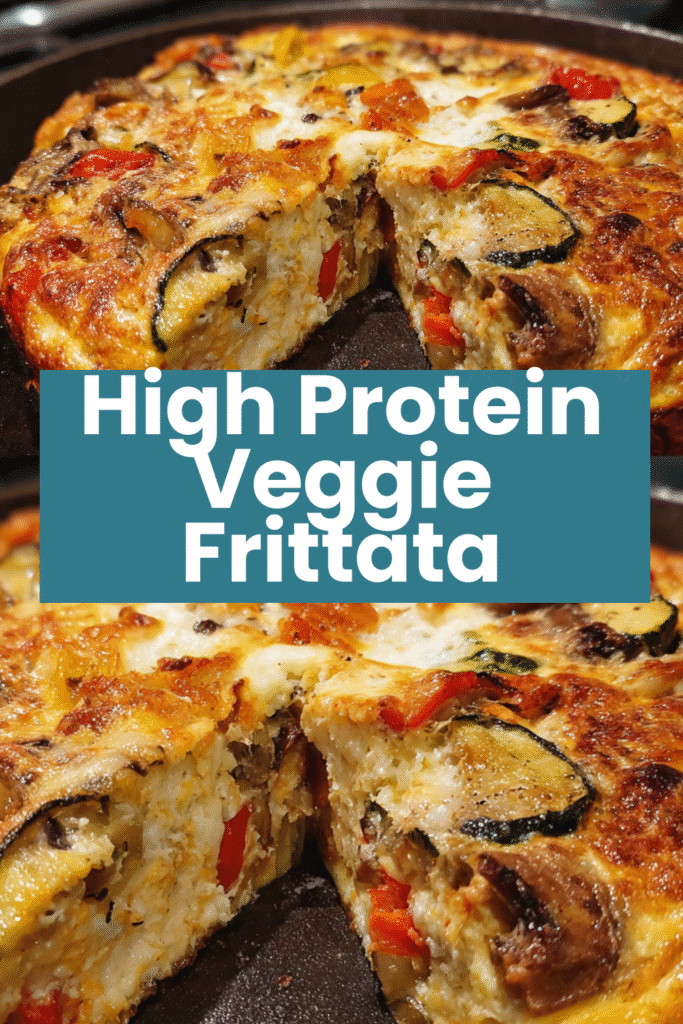
Roast vegetable frittata is your ultimate fridge-clearing hero. This versatile egg dish transforms leftover vegetables into a golden, satisfying meal that works for breakfast, lunch, or dinner. It’s a crustless quiche that’s faster to make, easier to customize, and perfect for using up whatever’s hiding in your crisper.
Why You’ll Love This
- Zero waste magic: Uses up leftover vegetables before they go bad.
- Flexible formula: Works with any vegetables you have on hand.
- Budget-friendly: Eggs plus whatever’s in your fridge equals dinner.
- Make-ahead friendly: Meal prep for the week in one baking dish.
- Crustless convenience: All the satisfaction of quiche without the pastry fuss.

Roast Vegetable Frittata
- Total Time: 1 hour 5 minutes
Description
Roast vegetable frittata is your ultimate fridge-clearing hero. This versatile egg dish transforms leftover vegetables into a golden, satisfying meal that works for breakfast, lunch, or dinner. It’s a crustless quiche that’s faster to make, easier to customize, and perfect for using up whatever’s hiding in your crisper.
Ingredients
2 cups mixed vegetables, bite-size pieces
6 eggs
¼ cup milk
1 cup grated cheese
Oil for roasting
Salt and pepper to taste
Instructions
1. Preheat your oven to 200°C (400°F). Cut your vegetables into bite-size pieces, keeping them roughly the same size for even cooking.
2. Toss the vegetables in oil with a pinch of salt and pepper. Spread them on a baking sheet in a single layer without crowding the pan.
3. Roast for 20-30 minutes until tender and lightly caramelized. Harder vegetables like carrots need the full time, while softer ones like zucchini finish faster.
4. Remove the vegetables from the oven and let them cool slightly. You can use vegetables straight from the fridge too—this works perfectly for leftovers. Lower the oven temperature to 180°C (350°F) for baking the frittata.
5. In a large bowl, whisk together the eggs and milk until well combined. Season with salt and pepper. Stir in most of the grated cheese, saving some for topping. Add the cooled roasted vegetables and gently fold everything together.
6. Pour the mixture into a greased baking dish. Use your hands or a spoon to distribute the vegetables evenly throughout. Sprinkle the reserved cheese on top.
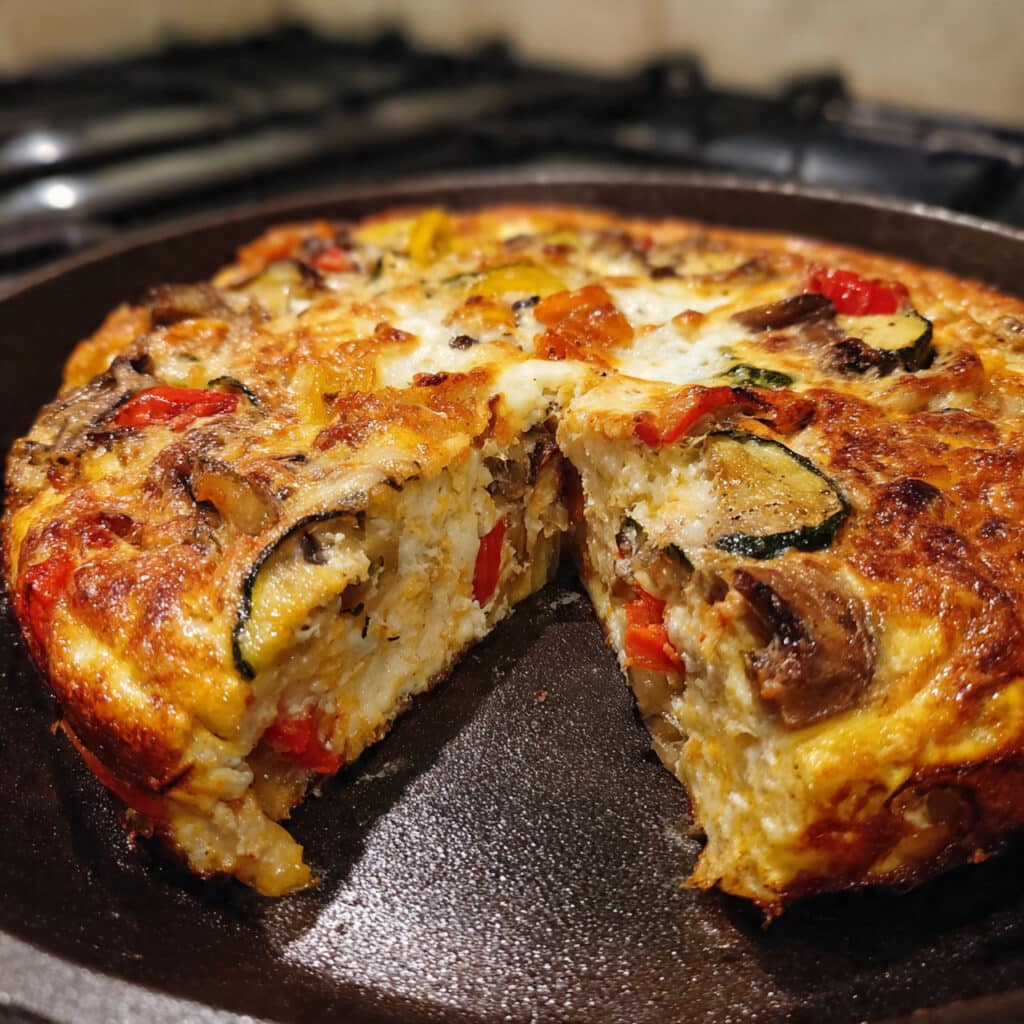
7. Bake for 30-50 minutes depending on your dish size. The frittata is done when just set in the center—it should still have a slight jiggle but not look wet.
8. Let the frittata cool for 10 minutes before slicing. This resting time helps it set completely and makes cleaner slices. Serve warm or at room temperature.
Notes
Cool the vegetables before adding to raw eggs to prevent premature cooking and uneven texture.
The center should be just set with a slight jiggle when done. Overbaking makes it rubbery and dry.
Add 2 extra eggs for every additional cup of vegetables to maintain the proper ratio.
Match cooking times: add quick-cooking vegetables like spinach raw, but roast harder vegetables like sweet potato first.
Season vegetables while roasting for deeper flavor throughout the dish.
Store covered in the fridge for up to 5 days. The flavor improves after a day.
For dairy-free: Use plant-based milk like almond or oat. Skip the cheese or use dairy-free alternatives.
This recipe is naturally vegetarian and easily scalable.
- Prep Time: 15 minutes
- Cook Time: 50 minutes
- Category: Main Dish
- Method: Baking
- Cuisine: American
Ingredients
- 2 cups mixed vegetables, bite-size pieces
- 6 eggs
- ¼ cup milk
- 1 cup grated cheese
- Oil for roasting
- Salt and pepper to taste
Use any milk you have—regular, cream, sour cream, Greek yogurt, or even plant-based milk.
Try any cheese: cheddar, mozzarella, feta, parmesan, or a mix of whatever’s in your fridge.
Why These Ingredients Work
Roasted vegetables: Roasting concentrates flavors and removes excess moisture. This prevents a watery frittata and adds deep, caramelized sweetness.
The egg-to-vegetable ratio: Using 2 cups vegetables to 6 eggs creates the perfect custard consistency. Too many veggies and it won’t set; too few and it’s just scrambled eggs.
Cheese throughout: Mixing cheese into the eggs creates creamy pockets throughout. Topping with more cheese gives you that golden, bubbly finish.
Tools Needed
- Baking sheet for roasting vegetables
- Greased baking dish or pie dish
- Large mixing bowl
- Whisk
How To Make Roast Vegetable Frittata
Step 1: Roast the Vegetables
Preheat your oven to 200°C (400°F). Cut your vegetables into bite-size pieces, keeping them roughly the same size for even cooking.
Toss the vegetables in oil with a pinch of salt and pepper. Spread them on a baking sheet in a single layer—don’t crowd the pan or they’ll steam instead of roast.
Roast for 20-30 minutes until tender and lightly caramelized. Harder vegetables like carrots need the full time, while softer ones like zucchini finish faster.
Step 2: Let Vegetables Cool
Remove the vegetables from the oven and let them cool slightly. You can use vegetables straight from the fridge too—this is perfect for leftovers!
Lower the oven temperature to 180°C (350°F) for baking the frittata. This ensures even cooking without browning the top too quickly.
Step 3: Mix the Base
In a large bowl, whisk together the eggs and milk until well combined. Season with salt and pepper.
Stir in most of the grated cheese, saving some for topping. Add the cooled roasted vegetables and gently fold everything together.
Step 4: Assemble and Bake
Pour the mixture into a greased baking dish. Use your hands or a spoon to distribute the vegetables evenly throughout.
Sprinkle the reserved cheese on top. This creates that irresistible golden crust.
Bake for 30-50 minutes depending on your dish size. The frittata is done when just set in the center—it should still have a slight jiggle but not look wet.
Step 5: Cool and Serve
Let the frittata cool for 10 minutes before slicing. This resting time helps it set completely and makes cleaner slices.
Serve warm or at room temperature with a crisp salad or crusty bread. Leftovers are equally delicious cold!
You Must Know
Cool the vegetables. Adding hot vegetables directly to raw eggs can start cooking them prematurely, creating an uneven texture.
Don’t overbake. A slightly jiggly center is perfect—it continues cooking from residual heat. Overbaking makes it rubbery and dry.
Scale it easily. Add 2 extra eggs for every additional cup of vegetables. The ratio stays the same no matter how big you go.
Amelia’s Secret: Before pouring in the egg mixture, lightly dust your greased baking dish with a tablespoon of grated Parmesan. It creates an invisible crust that helps the frittata release cleanly and adds an extra layer of savory flavor. Your slices will come out perfect every single time.
Pro Tips & Mistakes to Avoid
Match cooking times. Add quick-cooking vegetables like spinach or tomatoes raw. Roast harder vegetables like sweet potato first.
Season the vegetables. Don’t rely on the eggs alone for flavor. Season vegetables while roasting for deeper taste throughout.
Grease thoroughly. A well-greased dish prevents sticking. Use butter or oil and get into every corner.
Test for doneness. Insert a knife in the center—if it comes out clean, it’s ready. A little moisture is fine; liquid means it needs more time.
Cut uniform pieces. Same-size vegetables cook evenly, preventing some from burning while others stay raw.
Flavor Variations
Mediterranean: Use zucchini, bell peppers, and tomatoes. Add crumbled feta and fresh oregano.
Autumn Harvest: Roast sweet potato, butternut squash, and kale. Finish with sage and goat cheese.
Meat Lover’s: Add cooked bacon, ham, or sausage to the vegetable mix for extra protein and flavor.
Garden Fresh: Use asparagus, peas, and fresh herbs like dill or basil for a spring-inspired version.
Make-Ahead
Prep ahead: Roast vegetables up to 2 days in advance. Store in the fridge and bring to room temperature before mixing with eggs.
Freeze instructions: Bake completely, cool, and slice into portions. Wrap individually in plastic wrap, then foil. Freeze for up to 3 months. Thaw overnight in the fridge.

Serving Suggestions
Serve for brunch with fresh fruit salad and toasted sourdough. The frittata’s richness pairs beautifully with bright, acidic fruit.
For dinner, pair with a simple green salad dressed in vinaigrette and roasted potatoes. Add a dollop of sour cream or pesto on top.
Pack cold slices in lunchboxes with crackers and cherry tomatoes. It holds up perfectly at room temperature for hours.
How to Store
Fridge: Store covered in the fridge for up to 5 days. The flavor actually improves after a day as everything melds together.
Freezer: Wrap individual slices tightly in plastic wrap, then foil. Freeze for up to 3 months. Texture stays surprisingly good!
Reheat: Microwave individual slices for 1-2 minutes or warm in a 180°C oven for 10 minutes. It’s also delicious cold.
Allergy Info
Contains: Eggs, dairy (if using milk and cheese)
Dairy-free: Use plant-based milk like almond or oat. Skip the cheese or use dairy-free alternatives.
Vegetarian: This recipe is naturally vegetarian. Just ensure any added ingredients are also vegetarian.
FAQs
Can I use raw vegetables?
Some yes, some no. Tender vegetables like spinach, tomatoes, and herbs can go in raw. Harder vegetables like carrots, potatoes, and squash need roasting first.
What vegetables work best?
Almost anything! Try zucchini, bell peppers, mushrooms, broccoli, cauliflower, asparagus, sweet potato, onions, or kale. Avoid super watery vegetables like cucumber.
Why is my frittata watery?
Too much moisture from vegetables. Always roast vegetables first to drive off water. You can also salt and drain watery vegetables like zucchini before roasting.
How do I know when it’s done?
The center should be just set with a slight jiggle—like barely-set Jello. A knife inserted in the center should come out mostly clean with no liquid egg.
Can I add meat?
Absolutely! Cooked bacon, ham, sausage, or leftover chicken work perfectly. Add them with the vegetables—just make sure they’re fully cooked first.
💬 Tried it? Leave a comment and rating below!