
Mongolian ground beef recipe features tender seasoned beef in a rich sweet and savory brown sugar soy sauce. Ready in 20 minutes and perfect over rice for a quick weeknight dinner that tastes like takeout!
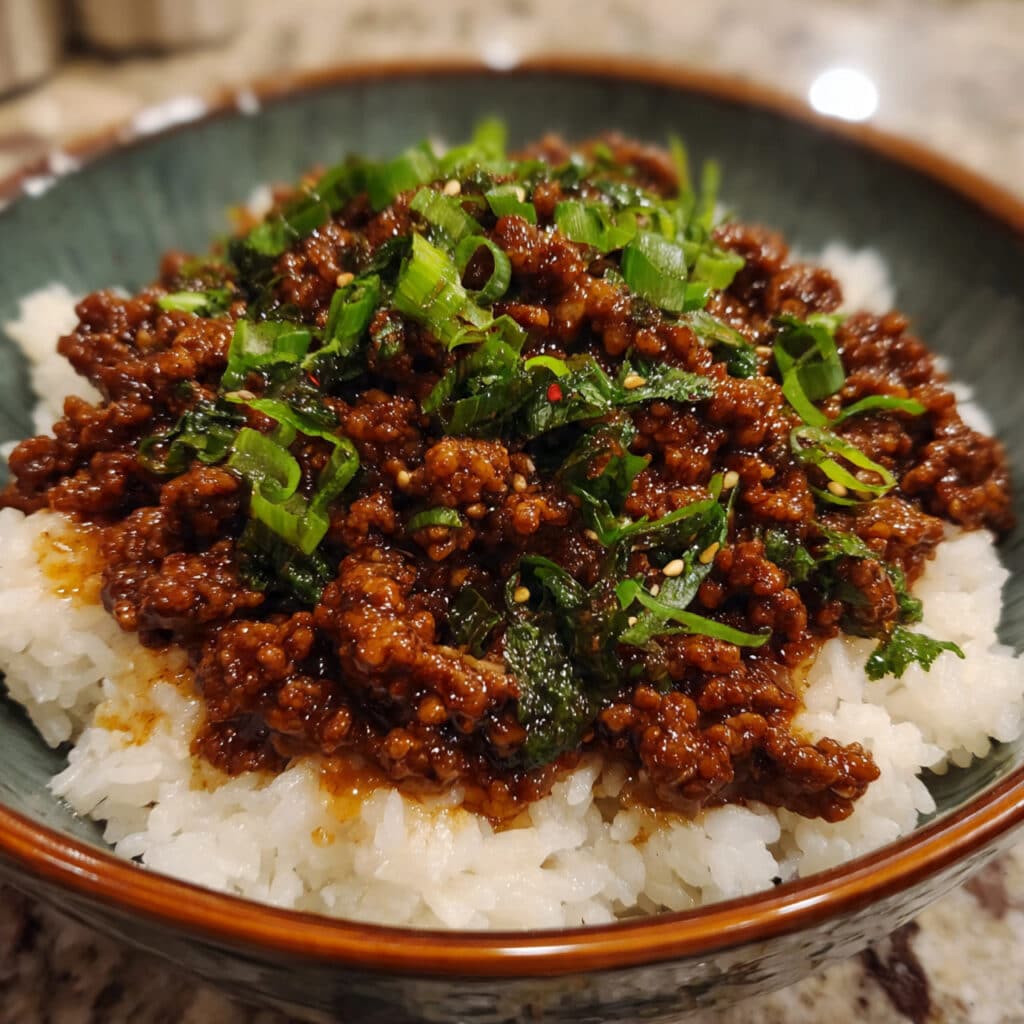
Why You’ll Love This Recipe
- Quick and easy – Ready in about 20 minutes from start to finish
- Restaurant flavor at home – That glossy, sweet-savory sauce tastes just like takeout, but better
- Budget-friendly – Ground beef is affordable and feeds a crowd
- Kid-approved – Even picky eaters love this one
- Perfect for meal prep – Reheats beautifully for lunches all week long

Mongolian Ground Beef
- Total Time: 20 minutes
- Yield: 4 servings
Description
Easy Mongolian Ground Beef recipe with a sweet-savory sauce, ready in 20 minutes! Simple ingredients, restaurant flavor, and perfect for busy weeknights. Family favorite!
Ingredients
Ground Beef & Sauce
- 1½ pounds ground beef (85/15 or 80/20 for best flavor—a little fat goes a long way!)
- 3–4 cloves garlic, minced
- 1–2 teaspoons fresh ginger, minced (optional but adds such nice warmth)
- ½ cup low-sodium soy sauce
- ½ cup brown sugar, packed (this creates that signature sweetness)
- ¼ cup water or beef broth
- 2 tablespoons hoisin sauce (optional, but it adds amazing depth)
- 1 teaspoon sesame oil (optional—just a touch makes it taste authentic)
- ¼–½ teaspoon red pepper flakes (optional, for a gentle kick)
Veggies & Add-Ins
- ½ teaspoon black pepper, to taste
- 3–4 green onions, sliced (keep white and green parts separated)
- 1 tablespoon neutral oil for cooking (canola or vegetable oil works great)
To Serve
- Cooked rice or rice noodles
- Sesame seeds for garnish (optional)
- Additional green onions for topping (optional)
Instructions
Heat your large skillet over medium-high heat. Add the ground beef and use a spatula to break it up into small crumbles as it cooks.
Let it cook for about 5–7 minutes until it’s completely browned and no longer pink. If there’s a lot of excess fat pooling in the pan, drain it off—but remember, a little fat adds flavor, so don’t worry about getting every drop out.
Now it’s time to build flavor. Add your minced garlic and ginger right into the pan with the beef.
Stir everything together and let it cook for 1–2 minutes. You’ll know it’s ready when your kitchen fills with that wonderful fragrant aroma. Don’t let the garlic burn—keep stirring!
Pour in the soy sauce, brown sugar, and water (or beef broth if you’re using it). If you’ve got hoisin sauce on hand, add that now too.
Stir everything together really well, making sure the brown sugar dissolves into the liquid. The sauce will look thin at first, but don’t worry—it’s going to transform into something magical.
Let the mixture come to a gentle simmer, then reduce the heat slightly. Let it bubble away for 4–6 minutes, stirring occasionally. You’ll see the sauce start to thicken and become beautifully glossy and syrupy.
Stir in your sesame oil, red pepper flakes if you like a little heat, and black pepper. Give it a taste and adjust—add more brown sugar if you want it sweeter, or a splash more soy sauce if you want it saltier.
Stir in just the white parts of your sliced green onions and let them cook for about a minute.
Then remove the pan from the heat and sprinkle the green parts of the onions right over the top. They’ll stay bright and fresh this way.
Spoon that gorgeous, saucy beef over a big bowl of steamed rice or rice noodles. Sprinkle with sesame seeds and extra green onions if you like.
Notes
- Don’t skip the simmer – Letting the sauce reduce is what creates that signature sticky, glossy coating
- Fresh ginger matters – If you have it, use it! It adds so much more depth than ground ginger
- Make it saucier – Double the sauce if you love extra to drizzle over your rice
- Add veggies for bulk – Toss in bell peppers, snap peas, or shredded carrots during the last few minutes of cooking
- Prep Time: 5 minutes
- Cook Time: 15 minutes
- Category: Main Dish
- Method: Stovetop
- Cuisine: Asian-Inspired
Ingredients You’ll Need
Ground Beef & Sauce
- 1½ pounds ground beef (85/15 or 80/20 for best flavor—a little fat goes a long way!)
- 3–4 cloves garlic, minced
- 1–2 teaspoons fresh ginger, minced (optional but adds such nice warmth)
- ½ cup low-sodium soy sauce
- ½ cup brown sugar, packed (this creates that signature sweetness)
- ¼ cup water or beef broth
- 2 tablespoons hoisin sauce (optional, but it adds amazing depth)
- 1 teaspoon sesame oil (optional—just a touch makes it taste authentic)
- ¼–½ teaspoon red pepper flakes (optional, for a gentle kick)
Veggies & Add-Ins
- ½ teaspoon black pepper, to taste
- 3–4 green onions, sliced (keep white and green parts separated)
- 1 tablespoon neutral oil for cooking (canola or vegetable oil works great)
To Serve
- Cooked rice or rice noodles
- Sesame seeds for garnish (optional)
- Additional green onions for topping (optional)
Why These Ingredients Work
Ground beef is the heart of this dish, and choosing one with a bit of fat (like 85/15 or 80/20) keeps everything tender and flavorful.
The brown sugar and soy sauce come together to create that iconic sweet-savory glaze that makes Mongolian beef so irresistible. Garlic and ginger add layers of aromatic flavor that make your kitchen smell amazing.
Green onions bring freshness and a pop of color at the end, while sesame oil adds just a whisper of nuttiness that ties everything together. The hoisin sauce is optional, but if you have it, it deepens the sauce and makes it taste even more restaurant-quality.
Water or broth helps thin the sauce just enough so it coats the beef perfectly without being too thick.
Essential Tools and Equipment
- Large skillet or sauté pan (at least 12 inches works best)
- Wooden spoon or spatula for breaking up the beef
- Measuring cups and spoons
- Small prep bowls for garlic, ginger, and sauce ingredients
- Serving spoon
- Rice cooker or pot for cooking rice
Step-by-Step Instructions
Step 1: Cook the Beef
Heat your large skillet over medium-high heat. Add the ground beef and use a spatula to break it up into small crumbles as it cooks.
Let it cook for about 5–7 minutes until it’s completely browned and no longer pink. If there’s a lot of excess fat pooling in the pan, drain it off—but remember, a little fat adds flavor, so don’t worry about getting every drop out.
Step 2: Add Aromatics
Now it’s time to build flavor. Add your minced garlic and ginger right into the pan with the beef.
Stir everything together and let it cook for 1–2 minutes. You’ll know it’s ready when your kitchen fills with that wonderful fragrant aroma. Don’t let the garlic burn—keep stirring!
Step 3: Make the Sauce
Pour in the soy sauce, brown sugar, and water (or beef broth if you’re using it). If you’ve got hoisin sauce on hand, add that now too.
Stir everything together really well, making sure the brown sugar dissolves into the liquid. The sauce will look thin at first, but don’t worry—it’s going to transform into something magical.
Step 4: Simmer & Season
Let the mixture come to a gentle simmer, then reduce the heat slightly. Let it bubble away for 4–6 minutes, stirring occasionally. You’ll see the sauce start to thicken and become beautifully glossy and syrupy.
Stir in your sesame oil, red pepper flakes if you like a little heat, and black pepper. Give it a taste and adjust—add more brown sugar if you want it sweeter, or a splash more soy sauce if you want it saltier.
Step 5: Add Onions
Stir in just the white parts of your sliced green onions and let them cook for about a minute.
Then remove the pan from the heat and sprinkle the green parts of the onions right over the top. They’ll stay bright and fresh this way.
Step 6: Serve
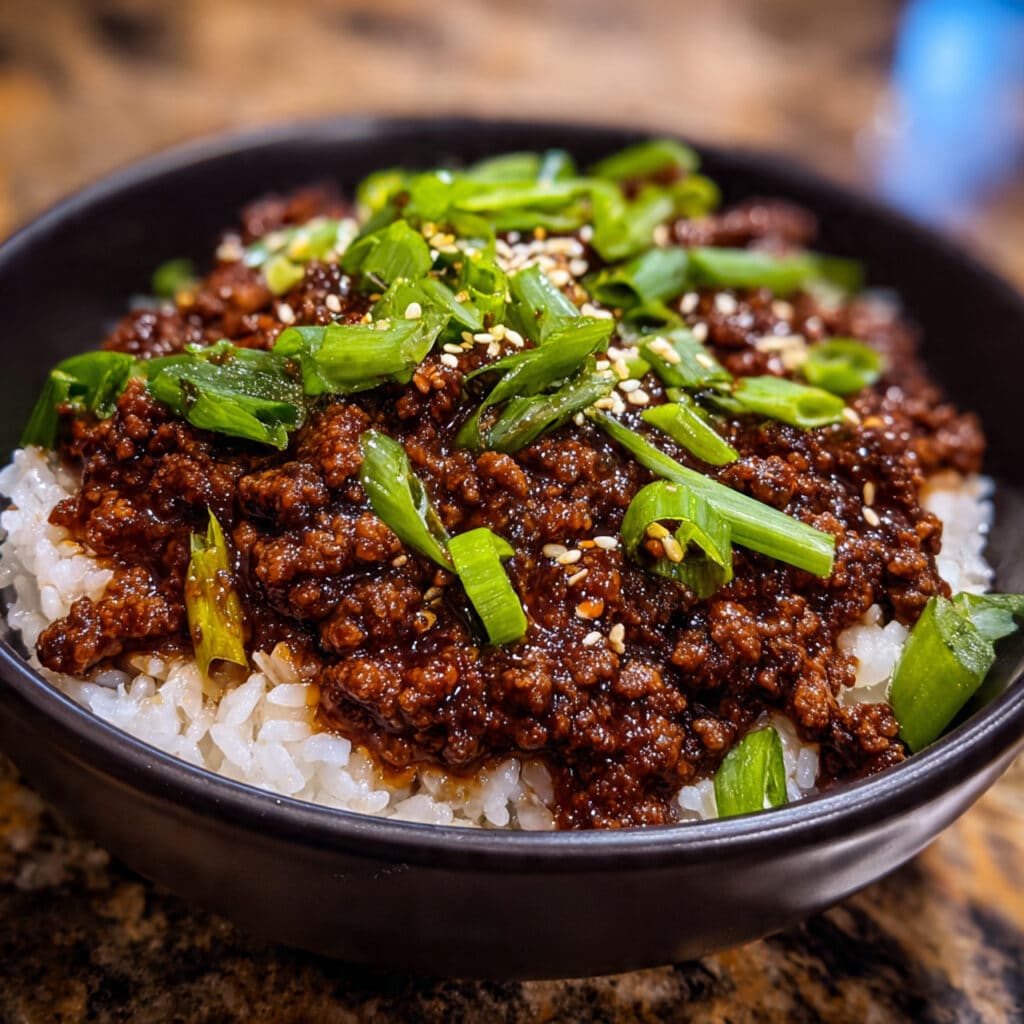
Spoon that gorgeous, saucy beef over a big bowl of steamed rice or rice noodles. Sprinkle with sesame seeds and extra green onions if you like.
You Must Know
The key to perfect Mongolian ground beef is not rushing the sauce. When you let it simmer and reduce for those few minutes, it transforms from watery to gloriously thick and glossy—that’s what makes it cling to every bit of beef.
Also, taste your sauce before serving. Every brand of soy sauce is different, and brown sugar can vary in sweetness, so a quick taste test lets you balance everything perfectly. If it’s too salty, add a pinch more sugar. If it’s too sweet, add a splash of soy sauce.
Personal Secret: I always keep a little extra sauce at the bottom of the pan and drizzle it over the rice before adding the beef. It makes every single bite flavorful, and nothing goes to waste!
Pro Tips & Cooking Hacks
- Use ground beef with some fat – The 85/15 or 80/20 blend gives you the best flavor and keeps the meat from drying out
- Don’t skip the simmer – Letting the sauce reduce is what creates that signature sticky, glossy coating
- Fresh ginger matters – If you have it, use it! It adds so much more depth than ground ginger
- Make it saucier – Double the sauce if you love extra to drizzle over your rice
- Add veggies for bulk – Toss in bell peppers, snap peas, or shredded carrots during the last few minutes of cooking
- Control the heat – Start with less red pepper flakes and add more at the table for those who like it spicy
Flavor Variations & Suggestions
If you want to switch things up, this recipe is wonderfully flexible. Try adding thinly sliced bell peppers or snap peas in the last few minutes of cooking for extra color and crunch.
You can swap the ground beef for ground turkey or ground chicken if you prefer something lighter, though you might want to add a touch more oil since they’re leaner. For a deeper, richer flavor, use beef broth instead of water in the sauce.
If you love spice, add sriracha or chili garlic sauce along with (or instead of) the red pepper flakes. Want it more gingery? Double the fresh ginger.
You can even toss in some sliced mushrooms or baby corn to make it feel more like a stir-fry. The sauce is the star here, so as long as you keep that balance of sweet and savory, you really can’t go wrong.
Make-Ahead Options
This recipe is a dream for meal prep. You can cook the whole thing ahead of time and store it in an airtight container in the fridge for up to four days.
When you’re ready to eat, just reheat it gently on the stove or in the microwave with a splash of water to loosen the sauce. It also freezes beautifully for up to three months.
Let it cool completely, then portion it into freezer-safe containers or bags. Thaw overnight in the fridge and reheat on the stovetop. I love making a double batch on Sunday and having quick, delicious lunches ready all week. Just cook fresh rice each time you serve it, and you’ve got a restaurant-quality meal in minutes.
What to Serve With Mongolian Ground Beef
This dish is wonderful over steamed white rice or jasmine rice, which soaks up all that delicious sauce. If you want to mix it up, try it over rice noodles, lo mein noodles, or even cauliflower rice for a lower-carb option.
For sides, keep it simple—steamed broccoli, sautéed bok choy, or crispy roasted green beans all pair beautifully. A fresh cucumber salad with rice vinegar adds a cool, crunchy contrast to the rich, savory beef.
If you want to make it a full spread, add some egg rolls or potstickers on the side. And don’t forget a cold iced tea or a light beer to round out the meal!
Allergy Information
This recipe contains soy (from soy sauce and hoisin sauce) and sesame (from sesame oil). If you need a soy-free version, you can substitute coconut aminos for the soy sauce and skip the hoisin sauce.
For sesame allergies, simply leave out the sesame oil and sesame seed garnish—the dish will still be delicious. This recipe is naturally gluten-free if you use tamari or gluten-free soy sauce instead of regular soy sauce. It’s also dairy-free and nut-free as written, making it a great option for many dietary needs.
Storage & Reheating
Store any leftovers in an airtight container in the refrigerator for up to four days. The flavors actually get even better the next day as everything melds together!
To reheat, warm it gently on the stovetop over medium heat, adding a tablespoon or two of water to loosen the sauce if it’s thickened up too much. You can also microwave it in 30-second intervals, stirring in between, until heated through.
If you’ve frozen it, thaw overnight in the fridge before reheating. The sauce might separate slightly after freezing, but a good stir while reheating brings it right back together.
Frequently Asked Questions
Can I use ground turkey or chicken instead of beef?
Absolutely! Ground turkey or chicken work great in this recipe. Just keep in mind they’re leaner than beef, so you might want to add an extra tablespoon of oil to the pan to keep everything moist. The flavor will be a bit lighter, but the sauce is so good it carries the whole dish beautifully.
My sauce is too thin—how do I thicken it?
If your sauce isn’t thickening after simmering, let it cook a few minutes longer to reduce more. You can also make a quick slurry with 1 teaspoon cornstarch mixed with 1 tablespoon cold water, stir it into the sauce, and let it simmer for another minute or two. That’ll thicken it right up!
Can I make this less sweet?
Yes! Start with ⅓ cup of brown sugar instead of ½ cup and taste as you go. You can always add more sweetness, but it’s harder to take it away. Some folks also like adding a splash of rice vinegar at the end to balance the sweetness with a little tang.
Can I add vegetables to this?
Yes, and I encourage it! Bell peppers, snap peas, broccoli florets, shredded carrots, or sliced mushrooms all work beautifully. Add quick-cooking veggies during the last 3–4 minutes of cooking so they stay crisp-tender.
💬 Tried this recipe? Leave a comment and rating below! I’d love to hear how it turned out for you and what you served it with.