
Miso glazed salmon with its glossy, caramelized glaze and tender, flaky fish, this recipe brings together sweet honey, savory miso, and just the right touch of umami in every bite. The best part? It comes together in under 30 minutes with ingredients you can easily find at your grocery store.
Love More Salmon Recipes? Try My Lemon Garlic Salmon or this Crab Shrimp Stuffed Salmon next.
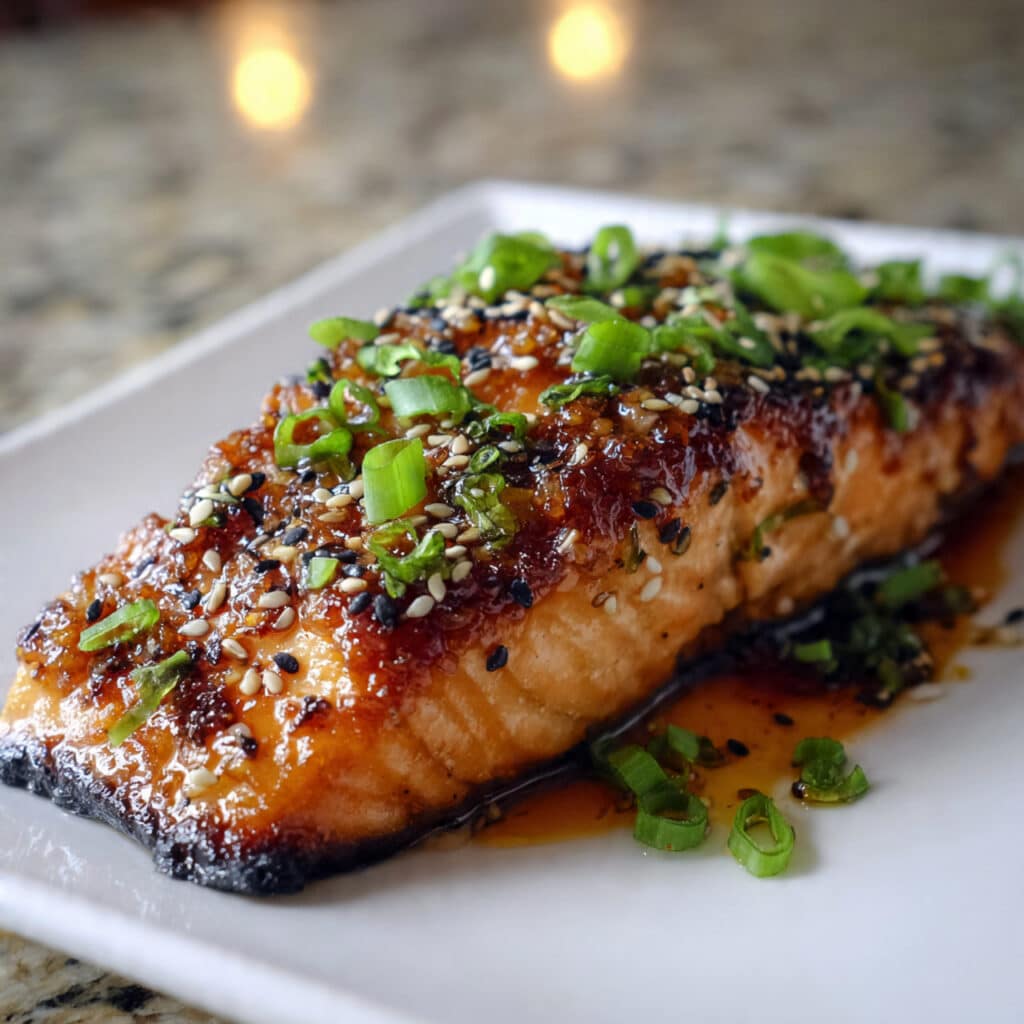
Why You’ll Love This Recipe
- Restaurant-quality flavor at home – That beautiful caramelized glaze tastes like something you’d order at your favorite Japanese restaurant
- Quick and forgiving – Ready in 20 minutes, and salmon is naturally tender and moist when cooked right
- Healthy comfort food – Packed with omega-3s and protein, but feels indulgent thanks to that sweet-salty glaze
- Impressive without the stress – Looks like you spent hours in the kitchen, but it’s actually one of the easiest fish recipes you’ll ever make
- Family-friendly – Even picky eaters love the gentle sweetness and savory depth of miso

Miso Glazed Salmon
- Total Time: 20–22 minutes
- Yield: 4 salmon fillets
Description
This miso glazed salmon is restaurant quality at home! With a sweet and savory glaze, tender flaky fish, and just 20 minutes from start to finish, it’s the perfect easy weeknight dinner that feels special.
Ingredients
For the salmon:
- 4 salmon fillets (about 6 ounces each), skin on or off based on preference – I usually go skin-on for extra crispiness
- Salt and black pepper to taste
For the miso glaze:
- 3 tablespoons white miso paste – mild and slightly sweet, this is the star of the show
- 2 tablespoons soy sauce (regular or low-sodium) – use low-sodium if you’re watching salt intake
- 2 tablespoons honey or brown sugar – honey gives a lovely floral sweetness; brown sugar adds molasses depth
- 1 tablespoon rice vinegar – brightens everything up beautifully
- 1 teaspoon sesame oil (optional) – adds a nutty, toasted aroma
- 2 cloves garlic, minced (optional) – for extra savory punch
- 1 teaspoon grated fresh ginger (optional) – brings warmth and zing
Optional garnishes:
- Sliced green onions
- Toasted sesame seeds
- Lemon or lime wedges
Instructions
Pat the salmon fillets completely dry with paper towels – this helps the glaze stick and prevents steaming. Season both sides lightly with salt and black pepper. Don’t go overboard with the salt since the miso glaze is already savory.
In a small bowl, whisk together the white miso paste, soy sauce, honey (or brown sugar), rice vinegar, and sesame oil until completely smooth. The miso can be a little stubborn, so whisk vigorously for about 30 seconds.
If you’re using garlic and ginger, stir them in now. The glaze should be thick but pourable, like warm caramel.
Place your salmon fillets on a parchment-lined baking sheet, leaving a little space between each piece. Using a pastry brush or the back of a spoon, generously brush the miso mixture over the tops of the salmon fillets.
Make sure every bit is covered – that’s where all the flavor lives!
For oven-baked: Preheat your oven to 400°F (200°C). Bake the salmon for 10–12 minutes, until it’s opaque throughout and flakes easily with a fork. The glaze will be bubbly and slightly caramelized.
For broiled: Set your oven to broil on high and position the rack about 6 inches from the heat. Broil for 6–8 minutes, watching carefully. The glaze should caramelize and turn a beautiful golden brown, with slightly charred edges. Keep an eye on it – broilers work fast!
Remove the salmon from the oven and let it rest for just a minute. Sprinkle with sliced green onions and toasted sesame seeds, and serve with lemon or lime wedges on the side.
Notes
- Choose the right salmon – Look for fillets that are bright pink or orange, with firm flesh and no fishy smell. Wild-caught has more flavor, but farmed salmon works beautifully too.
- Room temperature matters – Take your salmon out of the fridge 15 minutes before cooking so it cooks more evenly.
- Line your pan – Parchment paper or foil makes cleanup a breeze, especially with that sticky glaze.
- Don’t skip the pat-dry step – Moisture is the enemy of caramelization. Dry salmon = better browning.
- Taste your glaze first – Miso paste can vary in saltiness, so taste before you brush it on and adjust with more honey if needed.
- Prep Time: 10 minutes
- Cook Time: 10–12 minutes
- Category: Dinner
- Method: Baked or Broiled
- Cuisine: Japanese-Inspired
Ingredients You’ll Need
For the salmon:
- 4 salmon fillets (about 6 ounces each), skin on or off based on preference – I usually go skin-on for extra crispiness
- Salt and black pepper to taste
For the miso glaze:
- 3 tablespoons white miso paste – mild and slightly sweet, this is the star of the show
- 2 tablespoons soy sauce (regular or low-sodium) – use low-sodium if you’re watching salt intake
- 2 tablespoons honey or brown sugar – honey gives a lovely floral sweetness; brown sugar adds molasses depth
- 1 tablespoon rice vinegar – brightens everything up beautifully
- 1 teaspoon sesame oil (optional) – adds a nutty, toasted aroma
- 2 cloves garlic, minced (optional) – for extra savory punch
- 1 teaspoon grated fresh ginger (optional) – brings warmth and zing
Optional garnishes:
- Sliced green onions
- Toasted sesame seeds
- Lemon or lime wedges
Why These Ingredients Work
White miso paste is the heart and soul of this recipe. It’s fermented soybean paste with a gentle, sweet-savory flavor that caramelizes beautifully under heat. Unlike darker miso varieties, white miso is mellow enough for anyone new to Japanese cooking.
The honey adds sweetness that balances the salty soy sauce, and together they create that gorgeous sticky glaze that clings to every inch of the salmon. Rice vinegar cuts through the richness with bright acidity, keeping the dish from feeling too heavy.
A touch of sesame oil brings a nutty warmth, while fresh garlic and ginger add layers of flavor that make each bite interesting. And the salmon itself? It’s naturally buttery and rich, the perfect canvas for this sweet-savory masterpiece.
Essential Tools and Equipment
- Small mixing bowl and whisk (for the glaze)
- Baking sheet or broiler pan
- Parchment paper or aluminum foil (for easy cleanup)
- Pastry brush or spoon (to apply the glaze)
- Meat thermometer (optional, but helpful to avoid overcooking)
Step-by-Step Instructions
Step 1: Prepare Your Salmon
Pat the salmon fillets completely dry with paper towels – this helps the glaze stick and prevents steaming. Season both sides lightly with salt and black pepper. Don’t go overboard with the salt since the miso glaze is already savory.
Step 2: Make the Miso Glaze
In a small bowl, whisk together the white miso paste, soy sauce, honey (or brown sugar), rice vinegar, and sesame oil until completely smooth. The miso can be a little stubborn, so whisk vigorously for about 30 seconds.
If you’re using garlic and ginger, stir them in now. The glaze should be thick but pourable, like warm caramel.
Step 3: Glaze the Salmon
Place your salmon fillets on a parchment-lined baking sheet, leaving a little space between each piece. Using a pastry brush or the back of a spoon, generously brush the miso mixture over the tops of the salmon fillets.
Make sure every bit is covered – that’s where all the flavor lives!
Step 4: Bake or Broil
For oven-baked: Preheat your oven to 400°F (200°C). Bake the salmon for 10–12 minutes, until it’s opaque throughout and flakes easily with a fork. The glaze will be bubbly and slightly caramelized.
For broiled: Set your oven to broil on high and position the rack about 6 inches from the heat. Broil for 6–8 minutes, watching carefully. The glaze should caramelize and turn a beautiful golden brown, with slightly charred edges. Keep an eye on it – broilers work fast!
Step 5: Garnish and Serve
Remove the salmon from the oven and let it rest for just a minute. Sprinkle with sliced green onions and toasted sesame seeds, and serve with lemon or lime wedges on the side.
You Must Know
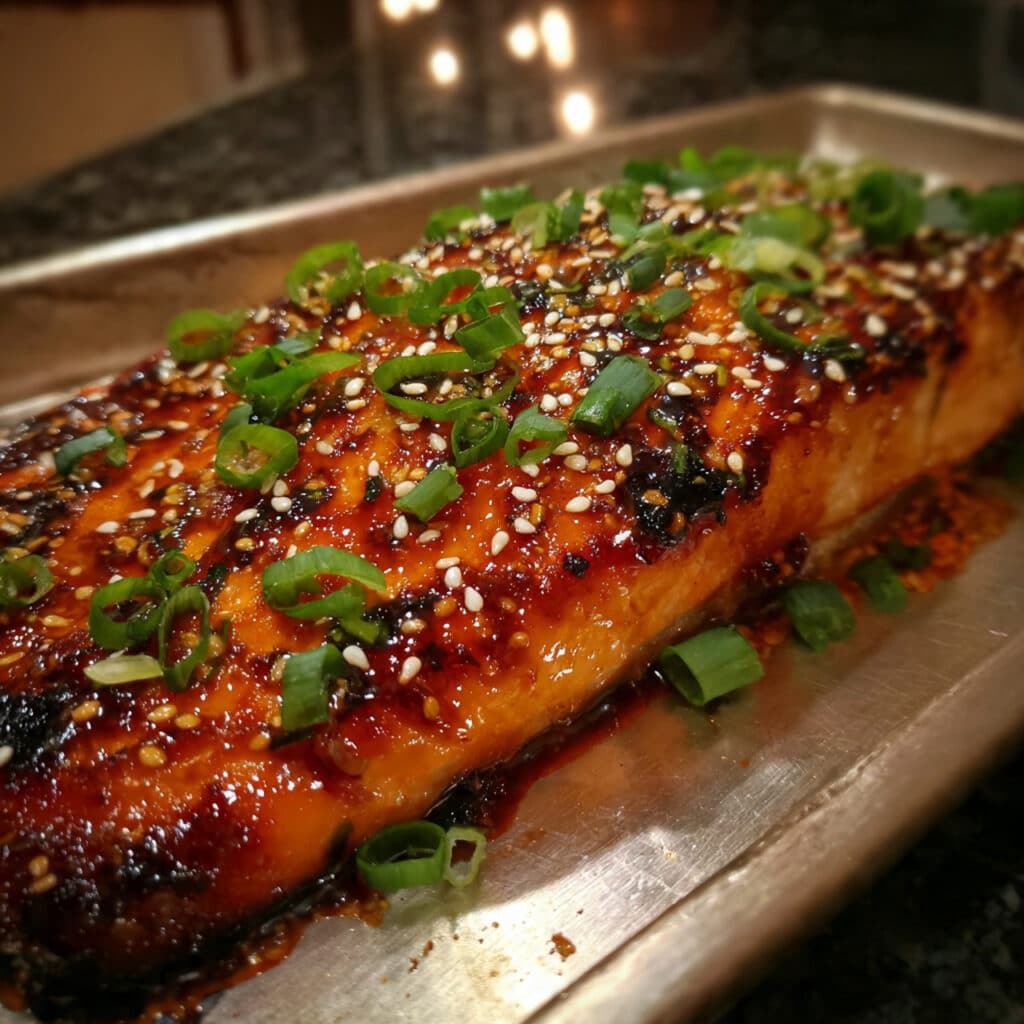
The single most important thing about cooking salmon is not to overdo it. Salmon continues cooking even after you take it out of the oven, so pull it when the center is still slightly translucent. It should register about 125°F–130°F on a meat thermometer for perfectly moist, flaky fish.
If you cook it until it’s completely opaque in the oven, it’ll be dry by the time it hits the table. Also, if you’re broiling, don’t walk away! Broilers are powerful and that glaze can go from caramelized to burnt in less than a minute.
Personal Secret: I always make a little extra miso glaze and brush it on halfway through cooking for an even thicker, more luxurious coating. Just set aside a spoonful before you brush the raw salmon, then add another layer after about 5 minutes in the oven.
Pro Tips & Cooking Hacks
- Choose the right salmon – Look for fillets that are bright pink or orange, with firm flesh and no fishy smell. Wild-caught has more flavor, but farmed salmon works beautifully too.
- Room temperature matters – Take your salmon out of the fridge 15 minutes before cooking so it cooks more evenly.
- Line your pan – Parchment paper or foil makes cleanup a breeze, especially with that sticky glaze.
- Don’t skip the pat-dry step – Moisture is the enemy of caramelization. Dry salmon = better browning.
- Taste your glaze first – Miso paste can vary in saltiness, so taste before you brush it on and adjust with more honey if needed.
- Use the toothpick test – Insert a toothpick into the thickest part. If it slides in easily and feels warm (not hot) when you touch it to your lip, it’s done.
Flavor Variations & Suggestions
If you want to play with flavors, this recipe is incredibly flexible. For a spicier version, whisk in a teaspoon of sriracha or a pinch of red pepper flakes into the glaze.
Love citrus? Add the zest of an orange or lime to the miso mixture for a bright, tangy twist. You can also swap the honey for maple syrup for a deeper, more caramel-like sweetness, or use mirin (Japanese sweet rice wine) instead of rice vinegar for extra umami.
If you’re feeling adventurous, try brushing the glaze on chicken thighs or tofu instead of salmon – it works beautifully on anything that can stand up to a bold, sticky sauce. And for a fun fusion twist, serve it over coconut rice or with a drizzle of spicy mayo on top.
Make-Ahead Options
The miso glaze can be made up to three days ahead and stored in an airtight container in the refrigerator. In fact, letting it sit for a few hours allows the flavors to meld together even more beautifully. Just give it a good stir before using, since the ingredients may separate slightly.
You can also prep your salmon fillets earlier in the day – pat them dry, season with salt and pepper, and keep them covered in the fridge until you’re ready to glaze and cook. I don’t recommend glazing them ahead of time since the miso can break down the fish slightly if it sits too long.
For freezing, the glaze freezes wonderfully in a small freezer bag for up to two months. Thaw it overnight in the fridge before using.
What to Serve With Miso Glazed Salmon
This salmon practically begs for fluffy steamed jasmine rice or nutty brown rice to soak up every drop of that incredible glaze. On the side, try sautéed baby bok choy with garlic, roasted asparagus with sesame seeds, or stir-fried snap peas and bell peppers.
A crisp cucumber salad with rice vinegar and a touch of sugar offers a refreshing contrast to the rich fish. For something heartier, roasted sweet potatoes or miso-glazed Brussels sprouts echo the sweet-savory theme beautifully.
And don’t forget a simple green salad with ginger dressing to round out the meal. For drinks, a crisp white wine like Sauvignon Blanc or a cold Japanese beer pairs wonderfully with the umami flavors.
Allergy Information
This recipe contains several common allergens. The miso paste and soy sauce both contain soy, so if you have a soy allergy, you can try coconut aminos in place of soy sauce, though the flavor will be slightly different.
For the miso paste itself, there’s no perfect substitute, but you could experiment with tahini mixed with a bit of nutritional yeast for a similar umami quality. The salmon is naturally gluten-free unless you’re using regular soy sauce, which contains wheat – opt for tamari or gluten-free soy sauce instead.
If you’re avoiding sesame, simply leave out the sesame oil and seeds. For a nut-free version, this recipe is already safe. And if you’re avoiding fish altogether, this glaze is absolutely stunning on firm tofu, tempeh, or chicken.
Storage & Reheating
Store any leftover salmon in an airtight container in the refrigerator for up to three days. To reheat, I recommend using the oven rather than the microwave to keep the texture from getting rubbery. Place the salmon on a baking sheet, cover loosely with foil, and warm at 275°F for about 10 minutes, just until heated through.
You can also enjoy leftover miso salmon cold or at room temperature – it’s absolutely delicious flaked over a grain bowl or mixed into a salad. If you want to freeze cooked salmon, wrap each fillet individually in plastic wrap and then foil, and freeze for up to two months. Thaw overnight in the refrigerator before gently reheating.
Questions I Get Asked A Lot
Can I use a different type of miso paste?
You can, but white miso (also called shiro miso) is best for beginners because it’s mild and slightly sweet. Yellow miso is a bit stronger, and red miso can be quite salty and intense. If you only have red miso, use about half the amount and add a little extra honey to balance it out.
My glaze looks too thick – what should I do?
Miso paste varies in consistency between brands. If your glaze is too thick to brush on easily, just whisk in a teaspoon of water at a time until it reaches a smooth, spreadable consistency. You want it thick enough to cling to the salmon but thin enough to spread evenly.
Can I make this without an oven?
Absolutely! You can cook miso-glazed salmon in a skillet on the stovetop. Heat a bit of oil over medium-high heat, place the glazed salmon skin-side up, and cook for 3–4 minutes. Flip carefully, then reduce heat to medium and cook another 3–4 minutes until the salmon is cooked through and the glaze caramelizes.
How do I know when my salmon is done?
The salmon should be opaque on the outside but still slightly translucent in the very center when you gently flake it with a fork. It should register 125°F–130°F on an instant-read thermometer inserted into the thickest part. Remember, it will continue cooking for a minute or two after you remove it from the oven.
💬 Tried this recipe? Leave a comment and rating below! I’d love to hear how your miso glazed salmon turned out.