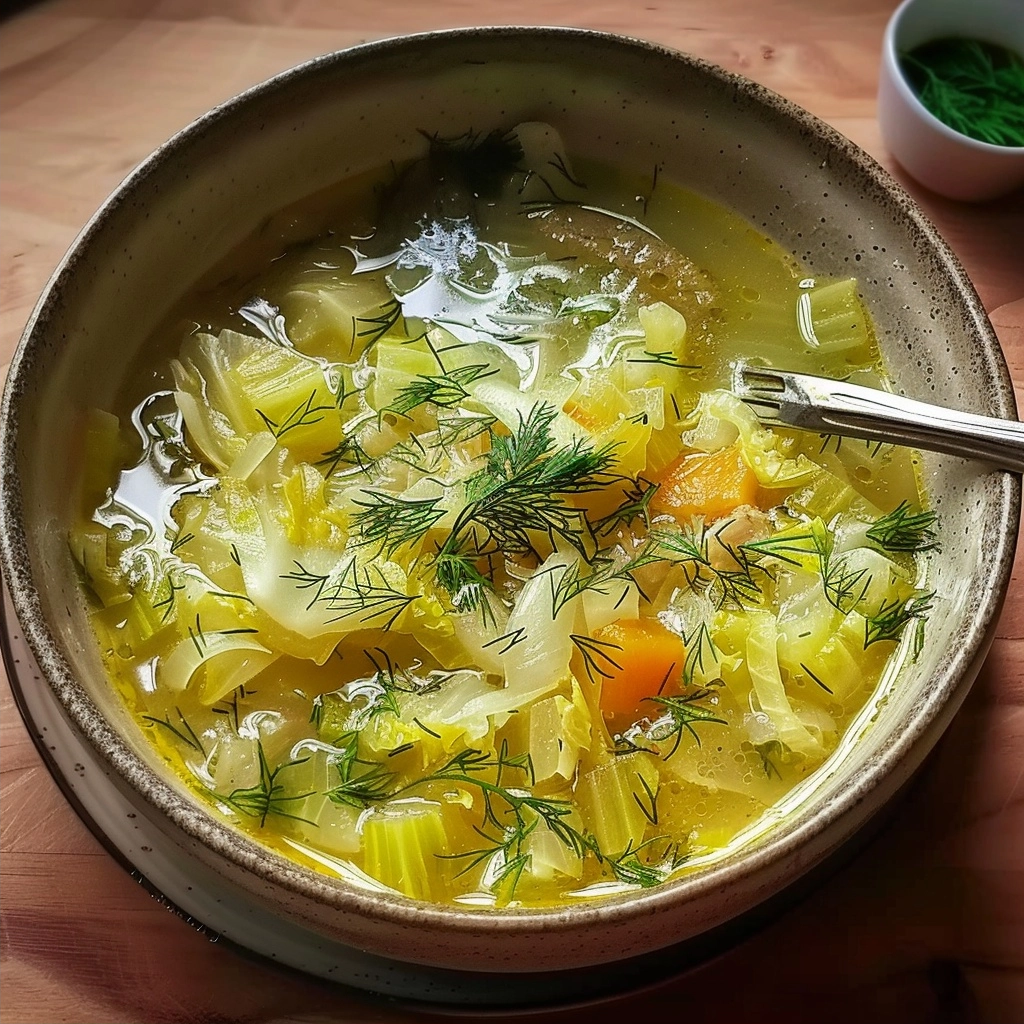
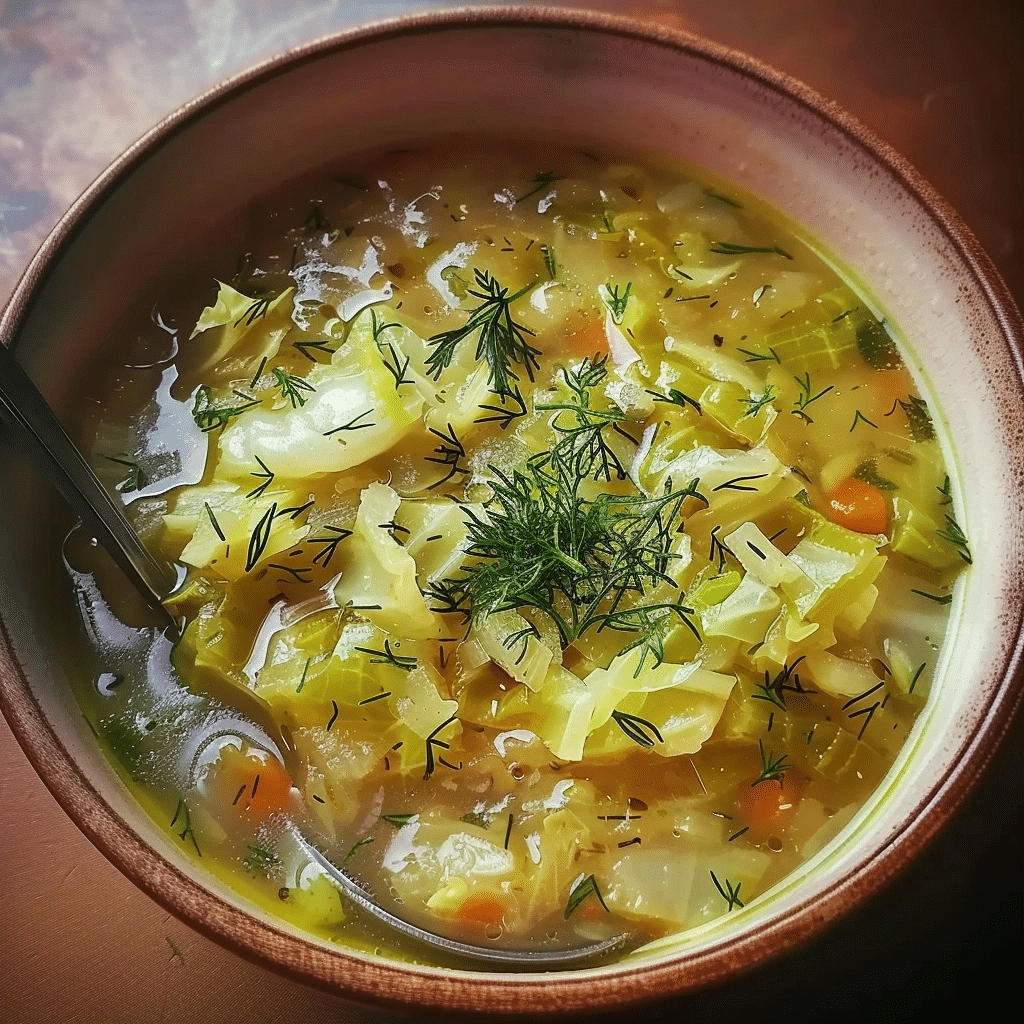
Lemon Dill Cabbage Soup is a vibrant, nourishing vegetable dish that delivers bright citrus notes and savory herbal undertones in every bite. This plant-based recipe uses fresh green cabbage, aromatic mirepoix, and a zesty finish to provide a wholesome meal suitable for any night of the week. Chefs and home cooks alike appreciate this soup for its simplicity and restorative qualities when warm comfort is needed.
Why You’ll Love This Recipe
This soup offers a clean, bright flavor profile that wakes up the palate without feeling heavy. It is the perfect choice for a light lunch or a nutrient-dense appetizer before a main course.
You will enjoy the sense of nostalgia that comes from a classic cabbage-based broth. It reminds many of traditional family meals prepared with basic, honest ingredients that define home cooking.
The ease of preparation makes this recipe a true time-saving asset for busy households. Using everyday staples ensures you can cook this whenever cravings for a healthy bowl arise.
Ingredient List
2 tablespoons olive oil
1 small yellow onion, diced
2 carrots, sliced
2 celery stalks, sliced
3 cloves garlic, minced
6 cups vegetable broth
1 small green cabbage, chopped
1 teaspoon dried dill
Juice of 1 lemon
1 teaspoon lemon zest
Salt and black pepper to taste
2 tablespoons fresh dill, chopped
Lemon wedges for serving
Why These Ingredients Work
Green cabbage serves as the hearty backbone of this soup, providing a satisfying texture that holds up well during boiling. Its mild sweetness balances the acidity of the lemon and the savory nature of the broth.
Vegetable broth acts as the clean foundation for the soup by carrying the aromatic flavors of the mirepoix throughout the pot. Choosing a high-quality broth is essential as it dictates the base flavor profile of the final dish.
Fresh lemon juice and lemon zest introduce a sharp acidity that cuts through the earthiness of the vegetables. This addition is what elevates the dish from a standard vegetable soup into something complex and refreshing.
Dried and fresh dill contribute a distinct herbal aroma that pairs perfectly with the lemon and cabbage. By using dried dill during simmering and fresh dill at serving, you maximize both the depth and the aromatic finish of the soup.
Essential Tools and Equipment
Large soup pot or Dutch oven (at least 5-quart capacity)
Chef knife for chopping vegetables
Zester for removing the lemon peel
Wooden spoon for stirring
Ladle for serving
How To Make Lemon Dill Cabbage Soup
Step 1: Heat the olive oil
Place your large soup pot or Dutch oven on the stove over medium heat. Add the olive oil and allow it to coat the bottom of the vessel evenly while it warms up.
Step 2: Sauté the base vegetables
Add the diced onion, sliced carrots, and sliced celery to the hot oil. Cook these base vegetables for 5 to 7 minutes, stirring occasionally, until the onions are translucent and the carrots soften.
Step 3: Add the garlic
Stir in the minced garlic and cook for about 1 minute until fragrant. Watch the heat closely to ensure the garlic does not burn, as this can turn the entire soup base bitter.
Step 4: Combine liquids and cabbage
Pour in the vegetable broth and bring the mixture to a gentle boil before reducing the flame. Add the chopped cabbage and dried dill, letting everything simmer for 20 to 25 minutes until the cabbage is tender.
Step 5: Finish with lemon
Stir in the fresh lemon juice and lemon zest immediately after removing the pot from the heat. Taste the soup to adjust levels of salt and black pepper according to your preference.
Step 6: Serve the soup
Ladle the hot soup into individual bowls and sprinkle with a generous amount of fresh chopped dill. Offer lemon wedges on the side for guests who prefer an additional burst of citrus.
Chef Tips for Perfect Results
Use thin, even slices for your carrots and celery to ensure they reach the same level of tenderness at the same time.
Aim for uniform cabbage pieces so that every spoonful contains a manageable amount of vegetable.
Always fold in the lemon juice at the very end to prevent the brightness from cooking off during the longer simmering process.
Toast your dried dill briefly in the oil with the garlic if you want to deepen the herbal profile of the broth.
Season with salt in two stages, once when sautéing vegetables and again at the end, for a better balance of flavor.
You Must Know
You must avoid overcooking the cabbage, as it can turn mushy and lose its structural integrity during the final steps. Keep a close eye on the texture once the 20-minute mark passes to ensure it remains tender yet slightly crisp.
Always verify the sodium content of your store-bought vegetable broth before adding extra salt to the pot. Using low-sodium broth allows you to control the exact salt levels, preventing a finished soup that is too aggressive for your palate.
Pro Tips & Cooking Hacks
Add a handful of white beans or cooked quinoa to transform this soup into a more substantial meal.
Use a microplane zester to get thin ribbons of lemon skin without including the bitter white pith.
Substitute green cabbage with savoy cabbage for a slightly more delicate texture and visual appeal.
Add a dash of turmeric during the sauté phase to provide a vibrant golden hue and additional health benefits.
Flavor Variations & Suggestions
Add a teaspoon of red pepper flakes during the sauté phase if you want to introduce a subtle heat. This helps balance the brightness of the lemon with a lingering warmth throughout the soup.
Whisk in a tablespoon of cornstarch mixed with a splash of water if you prefer a slightly thicker, more velvety broth. This modification transforms the consistency while keeping the focus on the fresh vegetable flavors.
Make-Ahead Options
You can prepare this soup up to three days in advance and keep it stored in the refrigerator. The flavors often meld together better after sitting overnight, making it even more delicious on the second day.
Freeze individual servings by leaving an inch of space at the top of your containers to allow for expansion. It keeps fresh in the freezer for up to three months when sealed securely in airtight bags or containers.
Recipe Notes & Baker’s Tips
This recipe is naturally vegan and gluten-free provided you check the label of your vegetable broth.
The soup will thicken slightly as it cools because of the natural starches released by the carrots and cabbage.
Reheat gently on the stovetop rather than using high heat in the microwave to preserve the integrity of the herbs.
Serving Suggestions
Serve this soup alongside a piece of crusty sourdough bread or warm garlic knots to soak up the flavorful, lemony broth. The crunch of the bread provides a great contrast to the soft cabbage.
Pair the dish with a crisp green salad tossed in a light vinaigrette for a lunch that feels balanced and energizing. This combination works well for light dinners during warmer seasons.
End your meal with a light piece of fruit or a yogurt-based dessert to complement the citrus notes of the soup. Avoiding heavy, sugar-laden desserts keeps the experience refreshing until the very end.
Storage & Reheating
Store leftovers in an airtight container in the refrigerator for up to four days. Reheat portions on the stove over medium-low heat until steaming, adding a splash of water if the broth has reduced too much.
Allergy Information
This recipe is naturally free of major allergens like dairy, gluten, and soy when using common vegetable broth. Always read labels to ensure your broth producer does not use wheat-based thickeners or hidden stabilizers.
If you are avoiding alliums like onions and garlic, substitute them with a small amount of asafoetida or fresh ginger. This ensures you maintain a depth of flavor without the digestion issues associated with traditional aromatics.
Questions I Get Asked A Lot
Can I substitute the cabbage for other leafy greens?
You can use kale or spinach as a substitute, but add them only in the final five minutes of cooking. This prevents overcooking and keeps the leaves vibrant.
How do I tell if the cabbage is fully cooked?
The cabbage is done when it becomes translucent and tender enough to be easily pierced with a fork. Avoid boiling until it loses its shape entirely.
Is it possible to make this soup in a slow cooker?
You can cook this in a slow cooker on low for 6 hours, adding the lemon juice only right before serving to maintain the flavor. This provides a hands-off approach for busy days.
Why does my lemon dill soup taste bitter?
The bitterness usually comes from including too much of the white lemon pith or cooking the lemon zest too long. Zest only the colorful outer layer of the peel to avoid this issue.
💬 Tried this recipe? Leave a comment and rating below!