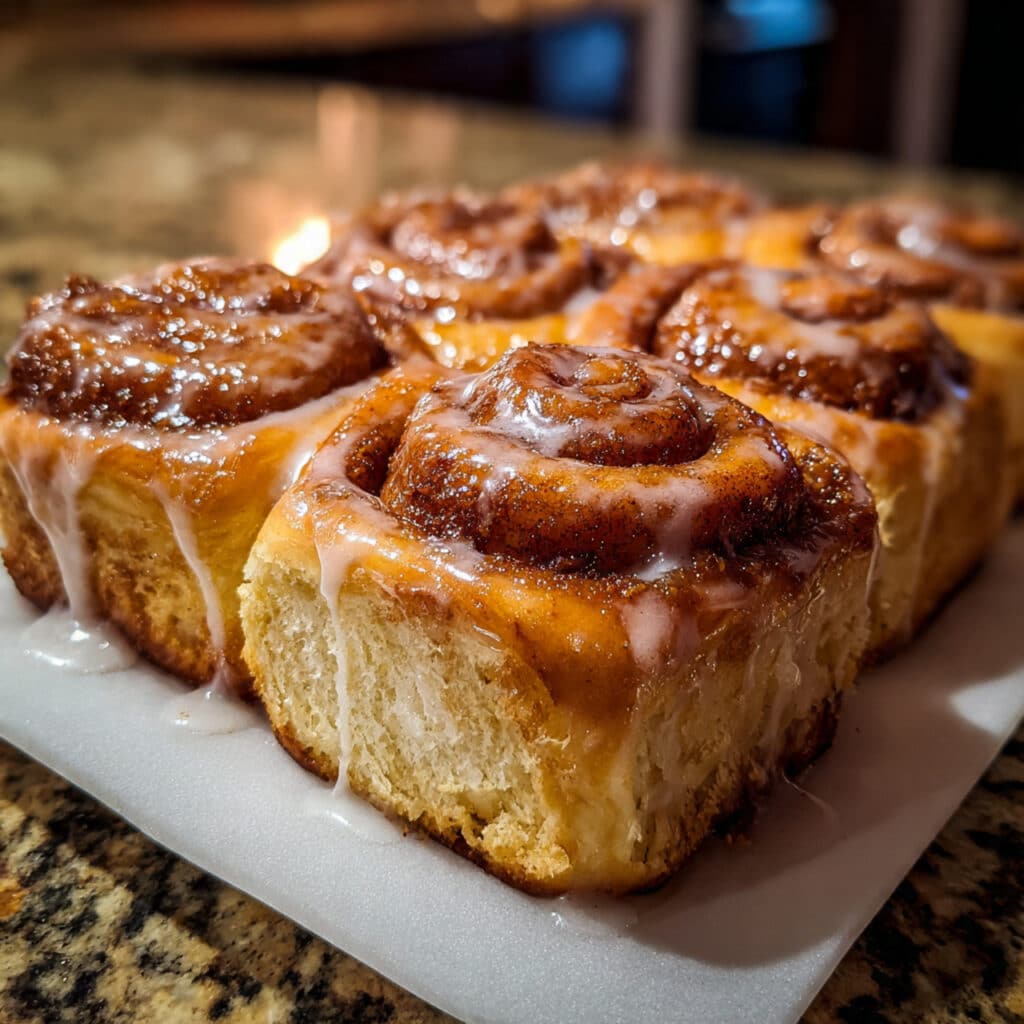
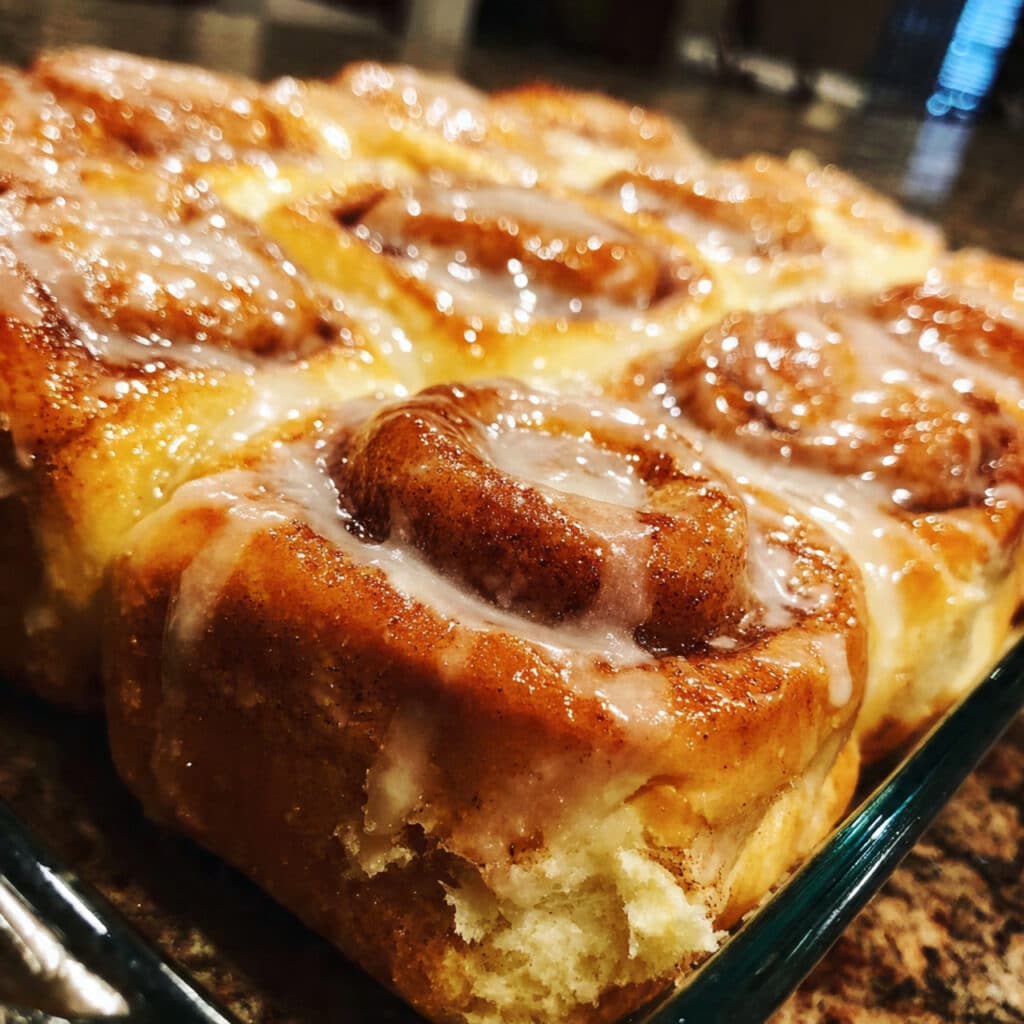
Homemade honey buns are soft, pillowy, and irresistibly sweet, with a golden cinnamon swirl and a sticky honey glaze that brings back childhood memories. Made with simple pantry ingredients, they’re easier to prepare than you might think, requiring just a little patience while the dough rises. Perfect for a special breakfast or a cozy afternoon treat.
Why You’ll Love This Recipe
- Nostalgic and comforting – tastes just like the honey buns you remember, but even better homemade
- Soft and pillowy texture – that melt-in-your-mouth tenderness with a beautiful cinnamon swirl
- Simple ingredients – no fancy items needed, just everyday pantry staples
- Perfect for sharing – makes a dozen buns, ideal for family gatherings or weekend brunches
- Customizable sweetness – adjust the honey and cinnamon to suit your taste
Homemade Honey Buns
- Total Time: 2 hours 42 minutes (including rising time)
- Yield: 12 honey buns
Description
This homemade honey buns recipe creates soft, tender, sweet rolls with a cinnamon sugar filling and a thick honey glaze. Perfect for breakfast, brunch, or anytime you need a comforting treat. Made with simple ingredients and easier than you think!
Ingredients
For the dough:
- ⅓ cup water
- ¼ cup whole milk
- 1½ tablespoons vegetable oil
- 2 tablespoons unsalted butter
- 1 tablespoon honey (adds subtle sweetness and keeps the dough tender)
- 2¼–2½ cups all-purpose flour (plus extra for dusting)
- 1 tablespoon granulated sugar
- 2¼ teaspoons instant yeast (this is one standard packet)
- 1 teaspoon fine sea salt
- 1 large egg, room temperature (helps create that soft, rich texture)
- 1 teaspoon vanilla extract
For the cinnamon filling:
- 2–3 tablespoons granulated sugar
- 2 teaspoons ground cinnamon
For the honey glaze:
- 3½ cups confectioners’ sugar, sifted (sifting prevents lumps)
- Pinch of sea salt
- ½ cup whole milk
- 2 tablespoons melted unsalted butter
- 3 tablespoons honey
Instructions
In a small saucepan, combine the water, whole milk, vegetable oil, unsalted butter, and honey. Heat over medium heat, stirring occasionally, until the butter melts completely.
Remove from heat and let it cool until it’s just warm to the touch—not hot, or it could kill the yeast. This should take about 5 minutes.
In your stand mixer bowl, whisk together 1 cup of the flour, sugar, instant yeast, and salt. Pour in the cooled milk mixture, then add the egg and vanilla extract.
Mix on low speed until everything comes together. Gradually add the remaining flour, about ½ cup at a time, mixing until just combined.
Don’t worry if it looks a bit shaggy at this point—that’s normal!
Switch to the dough hook attachment and knead on low to medium-low speed for about 5–7 minutes. The dough should pull away from the sides of the bowl and form a soft, slightly tacky ball.
If the dough feels too sticky and isn’t pulling away, add flour one tablespoon at a time. You want it soft and pliable, not stiff.
Lightly grease a large bowl with oil or cooking spray. Place your dough ball in the bowl and turn it once to coat.
Cover the bowl with a clean kitchen towel or plastic wrap and set it in a warm, draft-free spot. Let it rise for about 1 hour, or until it’s doubled in size.
This is a good time to grab a cup of coffee!
Once the dough has doubled, gently punch it down to release the air. Turn it out onto a lightly floured surface and roll it into a 12-inch square (doesn’t have to be perfect).
In a small bowl, mix together the granulated sugar and cinnamon. Sprinkle this mixture evenly over the dough, leaving about a ½-inch border around the edges.
Starting from one edge, roll the dough tightly into a log.
Here’s the signature honey bun trick: using a sharp knife, cut the log at a 45-degree angle into twelve pieces, each about 1 inch thick. This angled cut gives them that classic honey bun shape!
Place the buns on two parchment-lined baking sheets, spacing them about 2 inches apart.
Gently flatten each bun with your palm to about ¼-inch thickness. They’ll puff back up during the rise, don’t worry!
Cover the baking sheets loosely with a kitchen towel and let the buns rise again for about 1 hour, until they’re puffy and have expanded noticeably.
Preheat your oven to 350°F. Once the buns are puffy and beautiful, bake them for 11–13 minutes, until they’re golden brown on top and cooked through.
You’ll know they’re done when they spring back lightly when touched. Don’t overbake—you want them soft and tender, not dry.
While the buns are cooling slightly, whisk together the sifted confectioners’ sugar, salt, milk, melted butter, and honey in a medium bowl. Whisk vigorously until the glaze is completely smooth with no lumps.
It should be thick but pourable—if it’s too thick, add a teaspoon of milk at a time to thin it.
Working one at a time, dip the top of each warm bun into the glaze, letting any excess drip back into the bowl. Place the glazed buns upright on a cooling rack or clean parchment paper.
The glaze will set in about 20 minutes, creating that gorgeous shiny coating.
Notes
- Don’t add too much flour – the dough should be slightly tacky but not sticky. Too much flour makes tough, dry buns
- Roll tightly but gently – when rolling up your dough log, keep it snug but don’t compress it too much or you’ll squeeze out the filling
- Glaze while warm – the glaze adheres better and creates a prettier finish when the buns are still slightly warm
- Make extra glaze – you’ll want it! Some people even like to double-dip their buns for extra sweetness
- Prep Time: 30 minutes
- Cook Time: 12 minutes
- Category: Breakfast
- Method: Baking
- Cuisine: American
Ingredients You’ll Need
For the dough:
- ⅓ cup water
- ¼ cup whole milk
- 1½ tablespoons vegetable oil
- 2 tablespoons unsalted butter
- 1 tablespoon honey (adds subtle sweetness and keeps the dough tender)
- 2¼–2½ cups all-purpose flour (plus extra for dusting)
- 1 tablespoon granulated sugar
- 2¼ teaspoons instant yeast (this is one standard packet)
- 1 teaspoon fine sea salt
- 1 large egg, room temperature (helps create that soft, rich texture)
- 1 teaspoon vanilla extract
For the cinnamon filling:
- 2–3 tablespoons granulated sugar
- 2 teaspoons ground cinnamon
For the honey glaze:
- 3½ cups confectioners’ sugar, sifted (sifting prevents lumps)
- Pinch of sea salt
- ½ cup whole milk
- 2 tablespoons melted unsalted butter
- 3 tablespoons honey (the star of the show!)
Why These Ingredients Work
The combination of water, milk, butter, and oil creates a dough that’s incredibly soft and stays moist for days. Honey does double duty here, adding a gentle sweetness to the dough while also keeping it tender and preventing it from drying out.
The egg enriches the dough, giving these buns that beautiful golden color and pillowy texture. Instant yeast makes the process faster and more foolproof than traditional active dry yeast.
For the filling, the sugar and cinnamon create that classic sweet-spice swirl we all love. The glaze is where the magic really happens—confectioners’ sugar gives you that smooth, glossy finish, while honey and butter make it rich and luscious.
That pinch of salt in the glaze balances all the sweetness and makes the honey flavor pop even more.
Essential Tools and Equipment
- Small saucepan (for warming the liquids)
- Stand mixer with dough hook attachment (or mix by hand if you prefer)
- Large mixing bowl
- Rolling pin
- Parchment paper
- Two baking sheets
- Sharp knife or bench scraper (for cutting the buns)
- Medium bowl (for mixing the glaze)
- Whisk
- Clean kitchen towel or plastic wrap (for covering the dough)
Step-by-Step Instructions
Step 1: Warm the Liquids
In a small saucepan, combine the water, whole milk, vegetable oil, unsalted butter, and honey. Heat over medium heat, stirring occasionally, until the butter melts completely.
Remove from heat and let it cool until it’s just warm to the touch—not hot, or it could kill the yeast. This should take about 5 minutes.
Step 2: Mix the Dough
In your stand mixer bowl, whisk together 1 cup of the flour, sugar, instant yeast, and salt. Pour in the cooled milk mixture, then add the egg and vanilla extract.
Mix on low speed until everything comes together. Gradually add the remaining flour, about ½ cup at a time, mixing until just combined.
Don’t worry if it looks a bit shaggy at this point—that’s normal!
Step 3: Knead the Dough
Switch to the dough hook attachment and knead on low to medium-low speed for about 5–7 minutes. The dough should pull away from the sides of the bowl and form a soft, slightly tacky ball.
If the dough feels too sticky and isn’t pulling away, add flour one tablespoon at a time. You want it soft and pliable, not stiff.
Step 4: First Rise
Lightly grease a large bowl with oil or cooking spray. Place your dough ball in the bowl and turn it once to coat.
Cover the bowl with a clean kitchen towel or plastic wrap and set it in a warm, draft-free spot. Let it rise for about 1 hour, or until it’s doubled in size.
This is a good time to grab a cup of coffee!
Step 5: Shape the Buns
Once the dough has doubled, gently punch it down to release the air. Turn it out onto a lightly floured surface and roll it into a 12-inch square (doesn’t have to be perfect).
In a small bowl, mix together the granulated sugar and cinnamon. Sprinkle this mixture evenly over the dough, leaving about a ½-inch border around the edges.
Starting from one edge, roll the dough tightly into a log.
Step 6: Cut at an Angle
Here’s the signature honey bun trick: using a sharp knife, cut the log at a 45-degree angle into twelve pieces, each about 1 inch thick. This angled cut gives them that classic honey bun shape!
Place the buns on two parchment-lined baking sheets, spacing them about 2 inches apart.
Step 7: Second Rise
Gently flatten each bun with your palm to about ¼-inch thickness. They’ll puff back up during the rise, don’t worry!
Cover the baking sheets loosely with a kitchen towel and let the buns rise again for about 1 hour, until they’re puffy and have expanded noticeably.
Step 8: Bake
Preheat your oven to 350°F. Once the buns are puffy and beautiful, bake them for 11–13 minutes, until they’re golden brown on top and cooked through.
You’ll know they’re done when they spring back lightly when touched. Don’t overbake—you want them soft and tender, not dry.
Step 9: Make the Glaze
While the buns are cooling slightly, whisk together the sifted confectioners’ sugar, salt, milk, melted butter, and honey in a medium bowl. Whisk vigorously until the glaze is completely smooth with no lumps.
It should be thick but pourable—if it’s too thick, add a teaspoon of milk at a time to thin it.
Step 10: Glaze and Set
Working one at a time, dip the top of each warm bun into the glaze, letting any excess drip back into the bowl. Place the glazed buns upright on a cooling rack or clean parchment paper.
The glaze will set in about 20 minutes, creating that gorgeous shiny coating.
You Must Know
Temperature is everything with yeast dough. If your liquid mixture is too hot when you add it to the yeast, it can kill the yeast and your dough won’t rise. Aim for a temperature that feels like a comfortable bath—warm but not hot.
Also, don’t skip the second rise after shaping the buns. This is what gives them that airy, pillowy texture we’re after. If you rush this step, your buns will be dense instead of light and fluffy.
Personal Secret: I like to warm my oven to about 200°F, then turn it off and place my covered dough inside for rising.
Pro Tips & Cooking Hacks
- Use room temperature eggs – they incorporate better into the dough and help create a more uniform texture
- Don’t add too much flour – the dough should be slightly tacky but not sticky. Too much flour makes tough, dry buns
- Roll tightly but gently – when rolling up your dough log, keep it snug but don’t compress it too much or you’ll squeeze out the filling
- Glaze while warm – the glaze adheres better and creates a prettier finish when the buns are still slightly warm
- Make extra glaze – you’ll want it! Some people even like to double-dip their buns for extra sweetness
- Watch the clock, not just the color – honey buns can look perfectly golden before they’re fully cooked inside, so stick to the 11–13 minute baking time
- Flatten evenly – when you flatten the buns before the second rise, try to keep the thickness consistent so they bake evenly
Flavor Variations & Suggestions
Try using different types of honey for unique flavor profiles—clover honey gives a mild, classic sweetness, while wildflower honey adds floral notes and orange blossom honey brings a subtle citrus hint.
For a chocolate twist, add ¼ cup of mini chocolate chips to the cinnamon-sugar filling before rolling. If you love maple, swap half the honey in the glaze for pure maple syrup and add a pinch of cinnamon.
Want them extra indulgent? Sprinkle chopped pecans or walnuts over the filling alongside the cinnamon sugar. You can also add a teaspoon of orange zest to the dough for a bright, citrusy note that pairs beautifully with honey.
For a cream cheese variation, beat 4 ounces of softened cream cheese into the glaze for a tangy, richer topping.
Make-Ahead Options
These honey buns are perfect for planning ahead. You can make the dough the night before, let it do its first rise, then punch it down, cover tightly, and refrigerate overnight. The next morning, let it come to room temperature for about 30 minutes before rolling and shaping.
You can also shape the buns completely, place them on the baking sheets, cover tightly with plastic wrap, and refrigerate overnight. In the morning, let them sit at room temperature for about 45 minutes to an hour until puffy, then bake as directed.
If you want to freeze them, bake the buns without glazing, let them cool completely, and freeze in an airtight container for up to 2 months. Thaw at room temperature, warm in a 300°F oven for 5–7 minutes, then glaze while still warm.
What to Serve With Homemade Honey Buns
These honey buns shine at breakfast alongside a hot cup of coffee or tea—the sweetness pairs beautifully with a strong dark roast or a creamy latte.
For a complete brunch spread, serve them with scrambled eggs, crispy bacon, and fresh fruit. They’re also wonderful as an afternoon treat with a glass of cold milk.
If you’re hosting a holiday breakfast, set out a platter of these honey buns with fresh-squeezed orange juice and maybe some yogurt parfaits on the side. Kids love them in lunchboxes as a special treat, and they’re perfect for potlucks or church gatherings where you want to bring something homemade that everyone will love.
Allergy Information
These honey buns contain several common allergens: wheat (gluten), dairy (milk and butter), and eggs.
For a dairy-free version, substitute the milk with unsweetened almond milk or oat milk, and use vegan butter in both the dough and glaze. The texture will be slightly different but still delicious.
For an egg-free version, you can use a flax egg (1 tablespoon ground flaxseed mixed with 3 tablespoons water, let sit 5 minutes) though the buns may be slightly less rich.
Unfortunately, making these gluten-free is quite challenging since the gluten structure is essential for the soft, pillowy texture. If you need a gluten-free sweet treat, I’d recommend looking for a dedicated gluten-free sweet roll recipe designed specifically for gluten-free flours.
Storage & Reheating
Store leftover honey buns in an airtight container at room temperature for up to 3 days. The glaze helps keep them moist, but they’re best enjoyed within the first two days.
To refresh day-old buns, warm them in the microwave for 10–15 seconds—they’ll taste freshly baked! You can also warm them in a 300°F oven for 5 minutes.
If you’ve frozen unglazed buns, thaw them at room temperature, warm them in the oven, and glaze them while still warm for the best results. Don’t refrigerate these buns—the cold actually makes them stale faster. Room temperature storage keeps them soft and tender.
Questions I Get Asked A Lot
Can I fry these honey buns instead of baking them?
Absolutely! For that true classic honey bun experience, you can fry them. After the second rise and flattening, heat about 2 inches of vegetable oil in a deep skillet to 350°F. Carefully place the buns in the hot oil (don’t crowd them) and fry for about 2–3 minutes per side until golden brown. Drain on paper towels, let them cool slightly, then glaze. They’ll be even richer and more indulgent!
My dough isn’t rising—what went wrong?
This usually happens for one of two reasons: either your yeast was expired or inactive, or the liquid mixture was too hot and killed the yeast. Check the expiration date on your yeast, and make sure your liquid mixture cools to just warm (about 110°F) before adding it to the yeast. If your kitchen is very cold, try the warm oven trick I mentioned—it creates the perfect rising environment.
The glaze is too thick and won’t spread—help!
If your glaze seems too thick, simply whisk in milk one teaspoon at a time until it reaches a nice, pourable consistency. It should be thick enough to coat the buns but thin enough to spread easily. If it’s too thin and running right off, add more sifted confectioners’ sugar a tablespoon at a time.
Can I use active dry yeast instead of instant yeast?
Yes, but you’ll need to bloom it first. Dissolve the active dry yeast in the warm liquid mixture with a pinch of sugar and let it sit for 5–10 minutes until foamy. Then proceed with the recipe as directed. Instant yeast just makes the process a bit faster and more foolproof!
💬 Tried this recipe? Leave a comment and rating below! I’d love to hear how your honey buns turned out and if you tried any fun variations.