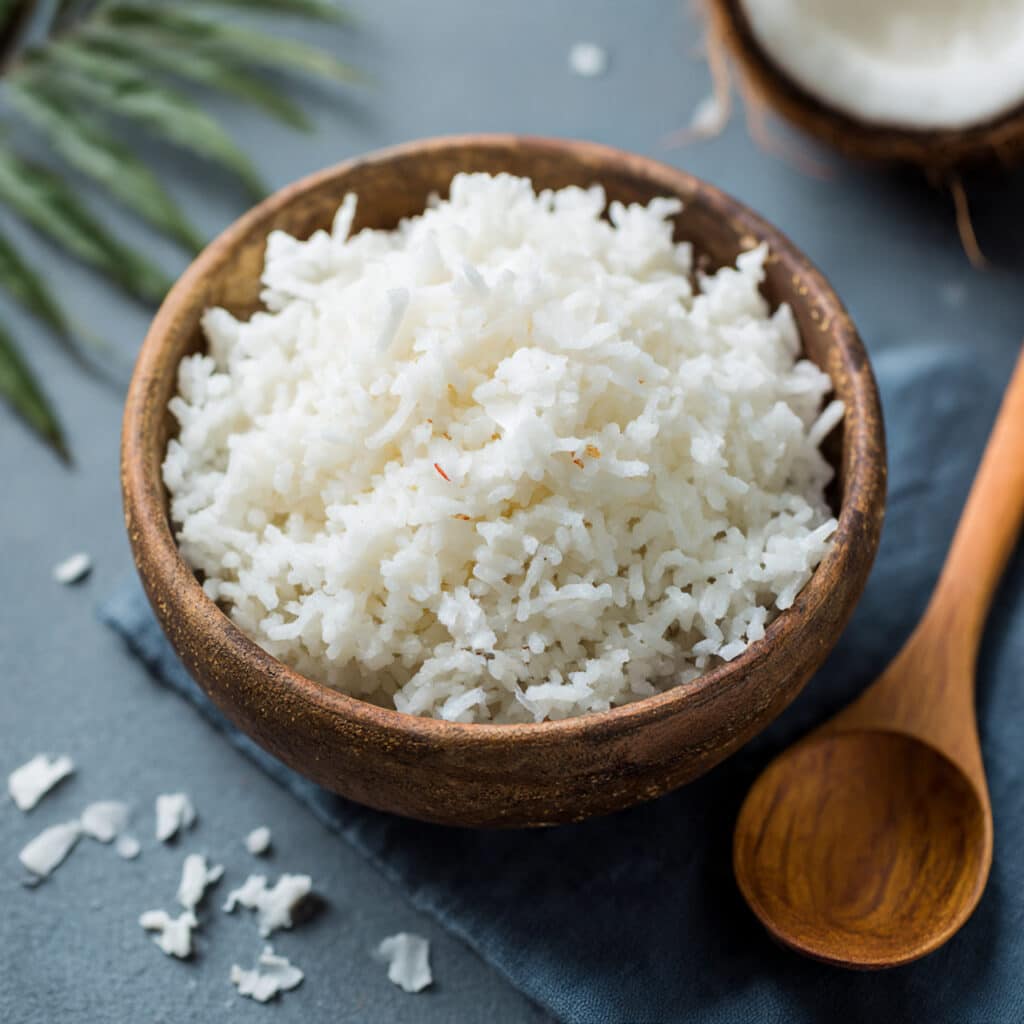
Coconut rice is creamy, fragrant, and absolutely soul-satisfying! This oven-baked version combines tender jasmine rice with velvety coconut milk and just a whisper of sweetness that makes every forkful feel like a warm hug.. It’s perfect for busy weeknights when you want something special without standing over the stove.
Why You’ll Love This Recipe
- Foolproof oven method: No more watching the stove or worrying about scorched bottoms—the oven gives you perfect results every time while you focus on the rest of dinner.
- Luxuriously fluffy texture: The soak-and-rest technique creates beautifully separated grains that would make any restaurant jealous.
- Subtle tropical flavor: Not overly sweet, just perfectly balanced with creamy coconut richness that complements everything from grilled meats to curry.
- Make-ahead friendly: Most of the prep can be done hours in advance, making this ideal for entertaining or busy family nights.
- Special without being fussy: Restaurant-quality results with humble ingredients you probably already have.
Oven Baked Coconut Rice
- Total Time: 2 hours 10 minutes
- Yield: About 6 cups cooked rice
Description
This oven-baked coconut rice features tender jasmine rice cooked with full-fat coconut milk, water, and a hint of sugar for subtle sweetness. The soak-and-rest method creates impossibly fluffy grains with rich coconut flavor. Optional pandan or kaffir lime leaves add authentic restaurant-style aroma. Perfect as a tropical side dish.
Ingredients
For the Rice:
-
2 cups jasmine rice (long grain or basmati work too)
-
400 ml (14 ounces) full-fat coconut milk—don’t skimp on this; it’s where all that creamy goodness comes from
-
1 cup water
-
5 teaspoons white sugar (optional, but it adds such a lovely subtle sweetness)
-
1/2 teaspoon cooking or kosher salt
Optional Flavor Boosters:
-
1 pandan leaf, knotted, or kaffir lime leaves, crushed (for that authentic restaurant aroma)
-
1 tablespoon toasted desiccated coconut for garnish
Instructions
Place your jasmine rice in a large bowl and fill it with cold water. Swirl it around with your hands, then pour off the cloudy water. Repeat this 4 to 5 times until the water runs mostly clear. This removes the surface starch that can turn your rice gummy and sticky instead of light and fluffy.
After your final rinse, cover the rice with fresh cold water and let it soak for 1 full hour. I know it seems like a long time, but this step is what transforms the texture—the grains absorb water evenly, which means they’ll cook uniformly and give you that perfectly tender bite.
After soaking, pour the rice into your colander and let it drain for about 5 minutes—you want to get rid of excess moisture. While that’s happening, go ahead and preheat your oven to 400°F (200°C). Your kitchen is about to smell amazing.
Transfer your well-drained rice into the 8-inch square baking pan, spreading it out evenly across the bottom. If you’re using pandan or kaffir lime leaves, tuck them right into the rice now so they can infuse all that wonderful flavor.
In your saucepan, combine the coconut milk, water, sugar, and salt. Set it over medium-high heat and bring it to a full rolling boil, stirring occasionally to make sure the sugar and salt dissolve completely. You want this mixture piping hot before it hits the rice.
Working quickly (so you don’t lose too much heat), pour the hot coconut mixture right over your rice. Give it a quick but gentle stir to make sure the rice is evenly distributed and nothing’s clumping. Cover the pan tightly with aluminum foil—really seal those edges to trap all that precious steam inside.
Slide your covered pan into the preheated oven and set your timer for 40 minutes. I know the temptation to peek is strong, but resist! Every time you uncover it, you lose steam and heat that the rice needs for even cooking.
When your timer goes off, carefully remove the pan from the oven (it’ll be hot!), but keep that foil cover in place. Let the rice rest, still covered, for a full 15 minutes.
Notes
-
Adjust for rice swaps: If you’re using basmati or a different long-grain variety, add an extra 1/4 cup of water since different rice types absorb liquid at slightly different rates.
-
Test your coconut milk: Before you start cooking, shake that can. If it sounds very watery and thin, check the label—you want at least 60% coconut extract for the best flavor and creaminess.
-
Master the fluff: Use a rubber spatula and a gentle folding motion from the bottom up, like you’re folding egg whites into batter. A metal spoon or aggressive stirring will break the grains and make everything mushy.
-
Seal it tight: If your aluminum foil isn’t wide enough to cover without seams, use two layers in opposite directions to prevent any steam from escaping during baking.
- Prep Time: 1 hour 15 minutes (includes soaking time)
- Cook Time: 40 minutes + Resting Time: 15 minutes
- Category: Side Dish
- Method: Oven-Baked
- Cuisine: Asian-Inspired
Ingredients You’ll Need
The Rice Base:
- 2 cups jasmine rice (the floral notes are perfect with coconut, but long-grain white or basmati work beautifully too)
- 400 ml (14 ounces) full-fat coconut milk—this is your flavor powerhouse, so go for the good stuff
- 1 cup water
- 5 teaspoons white sugar (optional, but it rounds out the flavors so nicely)
- 1/2 teaspoon cooking or kosher salt
For That Extra Special Touch:
- 1 pandan leaf, knotted, or kaffir lime leaves, crushed—transforms this into restaurant-style coconut rice
- 1 tablespoon toasted desiccated coconut for a gorgeous finishing touch
Why These Ingredients Work
Jasmine rice brings a delicate floral fragrance that dances beautifully with coconut, creating those incredible layers of aroma that make this dish so memorable. The full-fat coconut milk is absolutely essential, it gives you that silky, luxurious texture and rich coconut flavor that lighter versions just can’t deliver.
When you see the coconut percentage on the can, remember: higher is better. That touch of sugar isn’t about making sweet rice; it’s about balance. It enhances the natural sweetness of the coconut and prevents the dish from tasting flat or one-dimensional.
The salt works its usual magic, bringing all the flavors into focus and making everything taste more vibrant. If you can find pandan or kaffir lime leaves at your Asian market, they add an authentic aromatic quality that takes this from delicious to absolutely extraordinary.
Essential Tools and Equipment
- 20 cm (8-inch) square metal or ceramic baking pan (the right size ensures even cooking)
- Large mixing bowl for rinsing rice
- Fine-mesh strainer or colander
- Medium saucepan for heating the coconut mixture
- Heavy-duty aluminum foil (the wider rolls make covering easier)
- Rubber spatula for gentle fluffing
- Measuring cups and spoons
Step-by-Step Instructions
Step 1: Give That Rice a Good Rinse
Place your jasmine rice in a large bowl and fill it with cold water. Swirl it around with your hands, then pour off the cloudy water. Repeat this 4 to 5 times until the water runs mostly clear. This removes the surface starch that can turn your rice gummy and sticky instead of light and fluffy.
Step 2: Let It Soak
After your final rinse, cover the rice with fresh cold water and let it soak for 1 full hour. I know it seems like a long time, but this step is what transforms the texture—the grains absorb water evenly, which means they’ll cook uniformly and give you that perfectly tender bite.
Step 3: Drain and Set Up
After soaking, pour the rice into your colander and let it drain for about 5 minutes—you want to get rid of excess moisture. While that’s happening, go ahead and preheat your oven to 400°F (200°C). Your kitchen is about to smell amazing.
Step 4: Arrange in the Pan
Transfer your well-drained rice into the 8-inch square baking pan, spreading it out evenly across the bottom. If you’re using pandan or kaffir lime leaves, tuck them right into the rice now so they can infuse all that wonderful flavor.
Step 5: Create the Coconut Mixture
In your saucepan, combine the coconut milk, water, sugar, and salt. Set it over medium-high heat and bring it to a full rolling boil, stirring occasionally to make sure the sugar and salt dissolve completely. You want this mixture piping hot before it hits the rice.
Step 6: Marry Everything Together
Working quickly (so you don’t lose too much heat), pour the hot coconut mixture right over your rice. Give it a quick but gentle stir to make sure the rice is evenly distributed and nothing’s clumping. Cover the pan tightly with aluminum foil—really seal those edges to trap all that precious steam inside.
Step 7: Into the Oven It Goes
Slide your covered pan into the preheated oven and set your timer for 40 minutes. I know the temptation to peek is strong, but resist! Every time you uncover it, you lose steam and heat that the rice needs for even cooking.
Step 8: The Crucial Resting Time
When your timer goes off, carefully remove the pan from the oven (it’ll be hot!), but keep that foil cover in place. Let the rice rest, still covered, for a full 15 minutes.
You Must Know
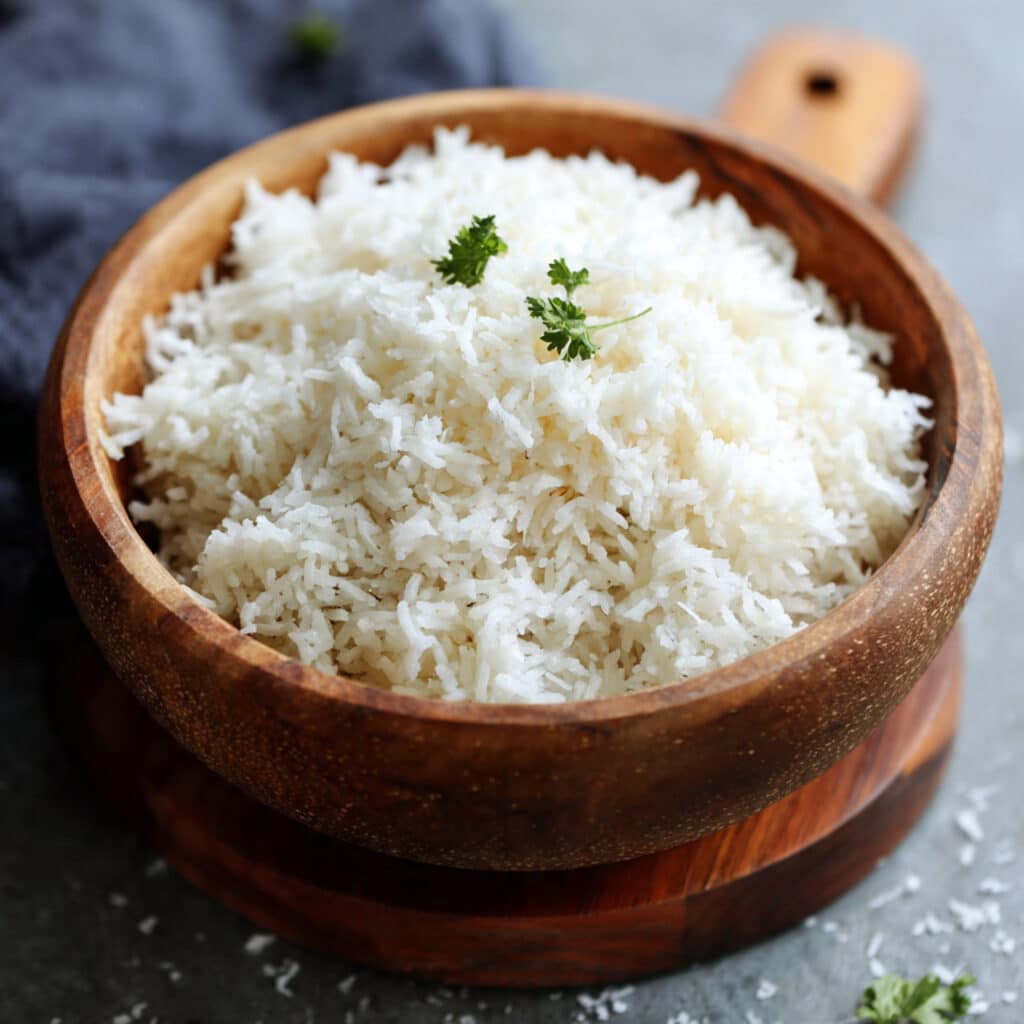
That 15-minute rest after baking is absolutely make-or-break for this recipe. If you skip it or cut it short, you’ll end up with rice that’s mushy on the bottom and still a bit crunchy on top, definitely not what we’re going for.
The trapped steam under that foil is doing important work, redistributing moisture and finishing the cooking process so every single grain comes out tender and separate. Also, don’t even think about substituting light coconut milk for full-fat.
Personal Secret: After you toast that garnish coconut, let it cool completely before sprinkling it on the rice. Hot toasted coconut added to hot rice can get a bit soggy, but cooled toasted coconut stays wonderfully crunchy and adds this incredible nutty depth.
Pro Tips & Cooking Hacks
- Rice variety matters: Jasmine gives you the most authentic flavor and texture, but basmati works wonderfully if that’s what you have. Just don’t use short-grain, risotto, or paella rice—they’re too starchy and will turn into coconut-flavored mush.
- Adjust for rice swaps: If you’re using basmati or a different long-grain variety, add an extra 1/4 cup of water since different rice types absorb liquid at slightly different rates.
- Test your coconut milk: Before you start cooking, shake that can. If it sounds very watery and thin, check the label—you want at least 60% coconut extract for the best flavor and creaminess.
- Master the fluff: Use a rubber spatula and a gentle folding motion from the bottom up, like you’re folding egg whites into batter. A metal spoon or aggressive stirring will break the grains and make everything mushy.
- Seal it tight: If your aluminum foil isn’t wide enough to cover without seams, use two layers in opposite directions to prevent any steam from escaping during baking.
Flavor Variations & Suggestions
For a bright, citrusy version that’s perfect with grilled fish, add the zest of one lime to your coconut mixture before boiling, then squeeze fresh lime juice over the finished rice and scatter some chopped cilantro on top.
If you’re a garlic lover, try heating a tablespoon of coconut oil in your baking pan before adding the rice, then sauté 2-3 minced garlic cloves until fragrant, pour the soaked rice right over that garlicky base.
For a warming, spice-forward version that pairs beautifully with curries, stir a tablespoon of freshly grated ginger and a pinch of turmeric into the coconut mixture. Want to make it heartier? Fold in a half cup of toasted cashews, sliced almonds, or chopped pecans after fluffing.
You could even go completely indulgent and replace the water with more coconut milk, though you might want to reduce the sugar to one teaspoon and add a squeeze of lime to balance the richness.
Make-Ahead Options
The rice can be rinsed and soaked up to 4 hours ahead, just drain it thoroughly and keep it covered in the refrigerator until you’re ready to proceed with the recipe.
The coconut mixture can also be prepared and brought to a boil up to 2 hours in advance; just store it in a covered container and reheat it to boiling before pouring over the rice. Once your coconut rice is baked and fluffed, it stays warm in the covered pan for a good 30 to 40 minutes, which is perfect when you’re juggling multiple dishes for a dinner party.
For longer storage, let the rice cool to room temperature, transfer it to an airtight container, and refrigerate for up to 4 days, it reheats beautifully in the microwave with a splash of water. While you can technically freeze coconut rice for up to 2 months, the texture does suffer a bit when thawed, so I only recommend freezing if you’re planning to use it in fried rice or stir it into soup.
What to Serve With Golden Coconut Rice
This fragrant rice is absolutely stunning alongside any Thai curry, the creamy coconut base makes it perfect for soaking up red curry with beef, green curry with chicken, or vegetarian panang curry.
It’s also a natural match for Caribbean flavors like jerk chicken, curried goat, or brown stew fish, where the subtle sweetness balances those bold spices.
Try it with Vietnamese lemongrass pork chops or grilled lemongrass shrimp for a Southeast Asian feast. For something simpler, it’s gorgeous with plain grilled salmon topped with a quick mango salsa or alongside teriyaki chicken thighs.
Vegetarian households will love it paired with stir-fried bok choy and tofu, coconut chickpea curry, or even just sautéed green beans with garlic. Honestly, it’s so delicious that a fried egg on top with a drizzle of soy sauce makes a perfectly satisfying lunch all by itself.
Allergy Information
This recipe contains coconut, which is classified as a tree nut allergen by the FDA, so it’s not suitable for anyone with coconut allergies. The good news is that coconut rice is naturally dairy-free, egg-free, and vegan (no animal products whatsoever), making it perfect for plant-based diets.
If you need a coconut-free version for someone with allergies, you can substitute equal parts unsweetened almond milk or oat milk plus 2 tablespoons of a neutral oil like grapeseed or avocado oil, though you’ll obviously lose that signature coconut flavor.
For gluten-free diets, rice is naturally gluten-free, so as long as you check that your coconut milk brand doesn’t have any weird additives, this recipe is completely safe. Just make sure to use certified gluten-free coconut milk if you’re cooking for someone with celiac disease or severe gluten sensitivity.
Storage & Reheating
Store any leftover coconut rice in an airtight container in the refrigerator for up to 4 days, make sure it’s completely cooled before sealing the container to prevent condensation and sogginess.
To reheat, place a portion in a microwave-safe bowl, sprinkle with a tablespoon or two of water (this adds back moisture), cover loosely with a damp paper towel, and microwave on high for 1-2 minutes, stirring halfway through. You can also reheat it gently on the stovetop: add the rice to a saucepan with a splash of coconut milk or water, cover, and warm over low heat, stirring occasionally until heated through.
For frozen rice, thaw it overnight in the refrigerator first, then reheat using either method. The texture won’t be quite as fluffy as fresh, but it’s still delicious, especially if you’re turning it into fried rice or mixing it into a soup.
Frequently Asked Questions
Can I make this on the stovetop instead of in the oven?
Absolutely! Combine all the ingredients in a heavy-bottomed pot with a tight-fitting lid. Bring to a boil over medium-high heat, then immediately reduce to the lowest heat setting, cover, and simmer for 15 minutes without peeking. Turn off the heat and let it rest, still covered, for 10 minutes before fluffing. The oven method is more foolproof, but stovetop works beautifully if you prefer it.
My rice came out mushy, what went wrong?
This usually happens when the rice wasn’t rinsed or soaked properly, or if you used too much liquid. Make sure you’re measuring your coconut milk and water accurately, and don’t skip that soaking step. Also, check your rice type—short-grain or sushi rice will turn mushy because they’re designed to be sticky.
Can I use brown rice instead of white?
You can, but you’ll need to adjust both the liquid and cooking time significantly. Brown rice needs about 2 1/2 cups of liquid total and will take 55-60 minutes in the oven instead of 40. The texture will also be chewier and the flavor a bit nuttier, which changes the character of the dish.
The coconut milk separated in the can, is it still good to use?
Yes, that’s completely normal! Coconut milk naturally separates into thick cream on top and thinner liquid on the bottom. Just give the can a really good shake before opening, or scoop everything into your saucepan and whisk it together as it heats up.
💬 Tried this coconut rice recipe? I’d love to hear how it turned out! Leave a comment and rating below, and don’t forget to share your favorite ways to serve it. Your tips might inspire someone else’s next family dinner!