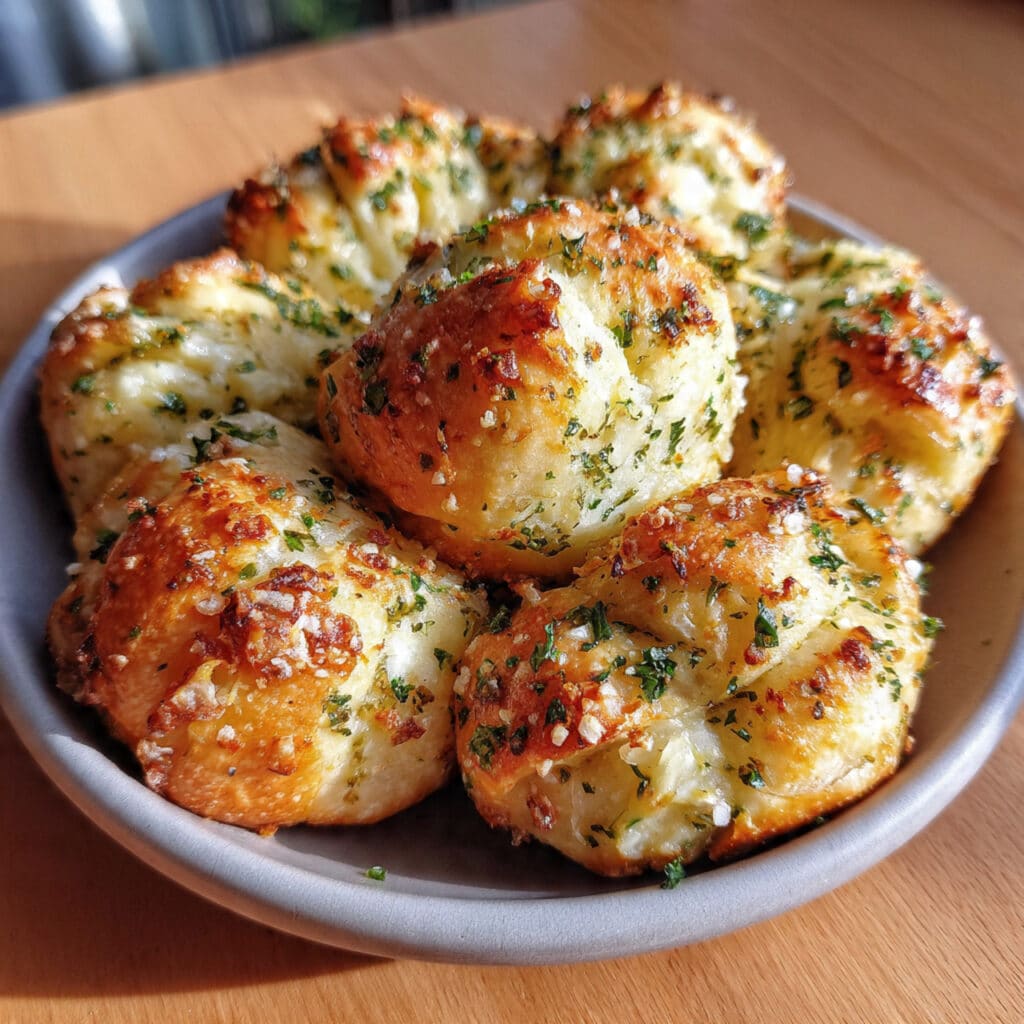
Garlic knots are the ultimate comfort food, soft, pillowy, and drenched in buttery garlic goodness. These golden, tender knots are surprisingly easy to make from scratch, and they’re perfect for serving alongside your favorite pasta, dunking into marinara sauce, or simply enjoying warm from the oven.
Why You’ll Love This Recipe
- Bakery quality flavor at home — These taste like they came straight from your favorite Italian restaurant, but you made them yourself!
- Surprisingly simple — With basic pantry ingredients and straightforward steps, even beginner bakers can nail these beauties.
- Impossibly soft and buttery — Each knot is tender, fluffy, and coated in fragrant garlic butter that soaks into every bite.
- Perfect for sharing — Whether it’s a weeknight dinner or special gathering, these disappear fast and make everyone happy.
- Customizable — Add extra Parmesan, swap in different herbs, or adjust the garlic to your family’s taste.

Homemade Garlic Knots
- Total Time: 2 hours
- Yield: 14–16 garlic knots
Description
These homemade garlic knots are soft, pillowy, and drenched in fragrant garlic butter. Made from simple ingredients with easy-to-follow steps, they’re perfect for serving alongside pasta, soup, or as an irresistible appetizer. The yeast dough creates a tender, bakery quality texture that’s brushed with a garlicky herb butter while warm.
Ingredients
For the Dough:
- 1 cup warm water (about body temperature—too hot will kill the yeast)
- 2¼ teaspoons active dry yeast (1 standard packet)
- 2 tablespoons sugar
- 3 tablespoons olive oil, divided (use 2 tablespoons in the dough, save 1 for brushing)
- 3–3½ cups all-purpose flour (start with 3 cups and add more as needed)
- 1½ teaspoons fine sea salt
For the Garlic Butter Sauce:
- ½ cup unsalted butter
- 2–3 garlic cloves, minced (fresh is best!)
- 1 tablespoon chopped fresh parsley (dried works in a pinch, use 1 teaspoon)
- ¼ teaspoon fine sea salt
- Optional: grated Parmesan cheese for topping (highly recommended!)
Instructions
In a large mixing bowl, combine the warm water, yeast, and sugar. Give it a gentle stir and then let it sit undisturbed for about 5–10 minutes.
You’ll know it’s ready when the mixture becomes foamy and bubbly on top—that’s the yeast waking up and doing its magic! If nothing happens, your water might have been too hot or your yeast might be expired, so start over with fresh yeast and properly warmed water.
Once your yeast mixture is nice and foamy, stir in 2 tablespoons of the olive oil. Now gradually add the flour and salt, starting with 3 cups of flour.
Mix everything together with a wooden spoon or your hands until a soft, slightly sticky dough forms. If the dough feels too wet and won’t come together, add the remaining ½ cup of flour a little at a time until you get a workable dough that’s soft but not overly sticky.
Turn your dough out onto a lightly floured surface and knead it for about 5–7 minutes. You’re looking for smooth, elastic dough that springs back when you poke it.
This is where the magic happens—kneading develops the gluten that gives your knots that perfect chewy-soft texture. Don’t rush this step! Put on some music and enjoy the therapeutic process of working the dough with your hands.
Lightly oil a large bowl with the remaining tablespoon of olive oil, then place your smooth dough ball inside. Turn it over once so the top is oiled too—this prevents it from drying out.
Cover the bowl with a clean kitchen towel or plastic wrap and set it in a warm, draft-free spot. Let the dough rise until it’s doubled in size, which usually takes about 1–1½ hours. Your kitchen will feel cozy and smell faintly of yeast, which is always a good sign!
While your dough is rising, preheat your oven to 400°F (200°C). Line a baking sheet with parchment paper or a silicone mat—this makes cleanup easier and prevents sticking.
Once your dough has doubled beautifully, it’s time to move on to the fun part: shaping!
Gently punch down your risen dough to release the air, then turn it out onto a lightly floured surface. Using a sharp knife or bench scraper, divide the dough into 14–16 equal pieces.
Take each piece and roll it between your palms and the counter into a rope about 6–8 inches long. Then simply tie each rope into a loose knot, like you’re tying a shoelace but gentler.
Tuck the ends underneath so they don’t unravel during baking. Place each finished knot on your prepared baking sheet, spacing them about 2 inches apart.
Brush the tops of your shaped knots with a little olive oil—this helps them turn golden and gorgeous in the oven. Slide the baking sheet into your preheated oven and bake for 15–18 minutes, until the knots are light golden brown on top and sound slightly hollow when tapped.
Your kitchen will smell absolutely incredible right about now!
While your knots are baking, melt the butter in a small saucepan over low heat. Once it’s melted, add the minced garlic, parsley, and salt.
Let it cook gently for just a minute or two until the garlic becomes fragrant but not browned—you want that fresh, punchy garlic flavor, not bitter burnt garlic. Keep it warm on the stove until your knots are ready.
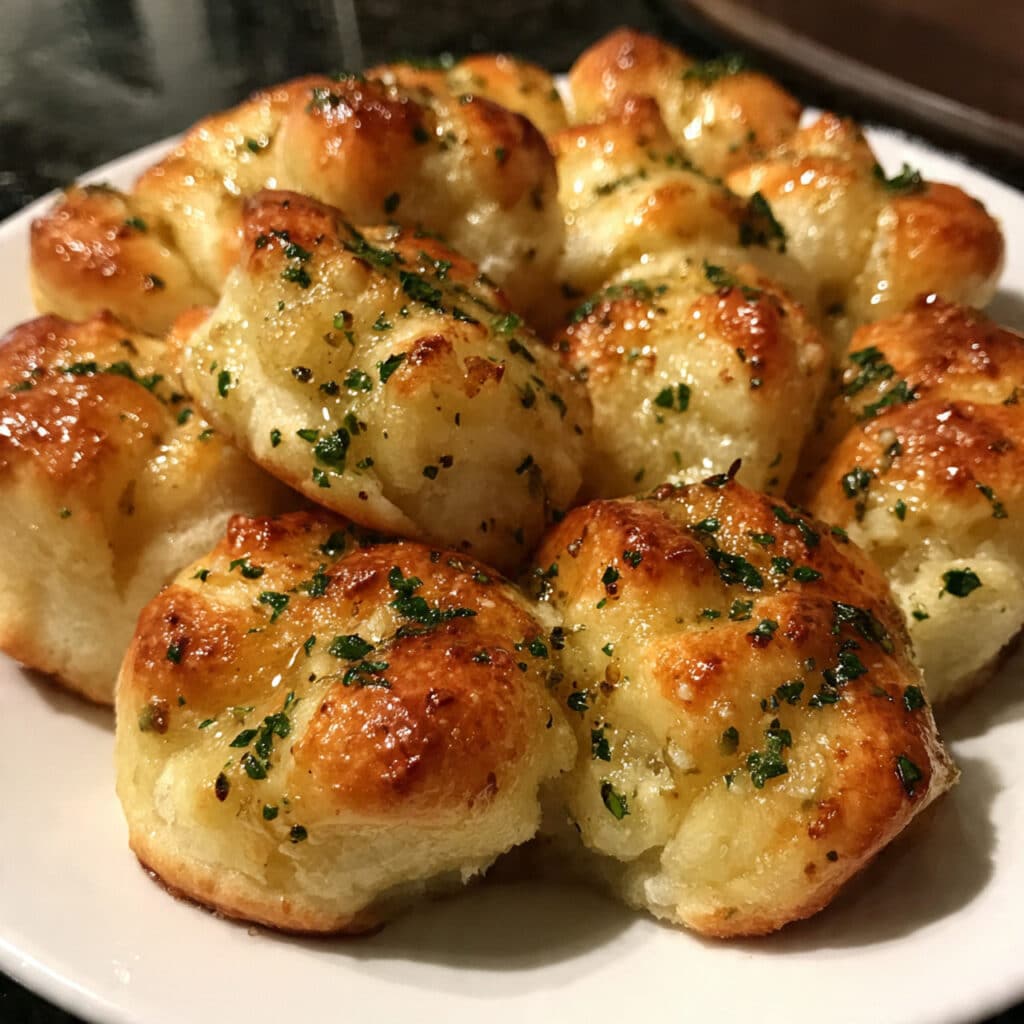
The moment your knots come out of the oven, brush them generously with that glorious garlic butter while they’re still piping hot. Don’t be shy—use all of it!
The warm bread will absorb the butter beautifully, creating those irresistible pockets of flavor. If you’re using Parmesan cheese, sprinkle it over the top right after brushing so it sticks to the buttery surface.
Let the knots cool for just a minute or two. These are best enjoyed fresh from the oven when they’re at their softest and most aromatic.
Notes
- Make extra garlic butter: Double the garlic butter recipe and keep extra on the side for dipping—it’s basically liquid gold and everyone will want more.
- Freeze the dough: You can make the dough ahead, let it rise once, then freeze it in a zip-top bag. Thaw overnight in the fridge, shape, and bake fresh.
- Don’t overbake: Watch your knots closely in the last few minutes. They should be golden but still soft—overbaking makes them dry and tough.
- Room temperature ingredients help: If you remember, take your butter and eggs (if you were using any) out of the fridge ahead of time for easier mixing.
- Prep Time: 20 minutes
- Cook Time: 15–18 minutes + Rising Time: 1–1½ hours
- Category: Bread
- Method: Baking
- Cuisine: Italian-American
Ingredients You’ll Need
For the Dough:
- 1 cup warm water (about body temperature—too hot will kill the yeast)
- 2¼ teaspoons active dry yeast (1 standard packet)
- 2 tablespoons sugar
- 3 tablespoons olive oil, divided (use 2 tablespoons in the dough, save 1 for brushing)
- 3–3½ cups all-purpose flour (start with 3 cups and add more as needed)
- 1½ teaspoons fine sea salt
For the Garlic Butter Sauce:
- ½ cup unsalted butter
- 2–3 garlic cloves, minced (fresh is best!)
- 1 tablespoon chopped fresh parsley (dried works in a pinch, use 1 teaspoon)
- ¼ teaspoon fine sea salt
- Optional: grated Parmesan cheese for topping (highly recommended!)
Why These Ingredients Work
The warm water and sugar wake up the yeast, creating those beautiful bubbles that give the dough its airy, soft texture. Olive oil adds richness and keeps the knots tender instead of dry or tough.
All-purpose flour provides just the right structure—not too heavy, not too delicate—so your knots hold their shape but stay pillowy soft. The salt in both the dough and garlic butter brings out all the flavors and keeps things balanced.
Fresh garlic and parsley in the butter sauce create that iconic Italian bakery aroma and flavor that makes these knots absolutely irresistible. The butter itself soaks into the warm bread, creating pockets of garlicky goodness in every bite.
And that final sprinkle of Parmesan? It adds a savory, slightly salty finish that takes these from delicious to unforgettable.
Essential Tools and Equipment
- Large mixing bowl
- Measuring cups and spoons
- Wooden spoon or stand mixer with dough hook
- Clean kitchen towel or plastic wrap (for covering dough)
- Baking sheet
- Parchment paper or silicone baking mat
- Small saucepan (for garlic butter)
- Pastry brush (for brushing garlic butter)
- Sharp knife or bench scraper (for dividing dough)
Step-by-Step Instructions
Step 1: Proof the Yeast
In a large mixing bowl, combine the warm water, yeast, and sugar. Give it a gentle stir and then let it sit undisturbed for about 5–10 minutes.
You’ll know it’s ready when the mixture becomes foamy and bubbly on top—that’s the yeast waking up and doing its magic! If nothing happens, your water might have been too hot or your yeast might be expired, so start over with fresh yeast and properly warmed water.
Step 2: Mix the Dough
Once your yeast mixture is nice and foamy, stir in 2 tablespoons of the olive oil. Now gradually add the flour and salt, starting with 3 cups of flour.
Mix everything together with a wooden spoon or your hands until a soft, slightly sticky dough forms. If the dough feels too wet and won’t come together, add the remaining ½ cup of flour a little at a time until you get a workable dough that’s soft but not overly sticky.
Step 3: Knead the Dough
Turn your dough out onto a lightly floured surface and knead it for about 5–7 minutes. You’re looking for smooth, elastic dough that springs back when you poke it.
This is where the magic happens—kneading develops the gluten that gives your knots that perfect chewy-soft texture. Don’t rush this step! Put on some music and enjoy the therapeutic process of working the dough with your hands.
Step 4: Let It Rise
Lightly oil a large bowl with the remaining tablespoon of olive oil, then place your smooth dough ball inside. Turn it over once so the top is oiled too—this prevents it from drying out.
Cover the bowl with a clean kitchen towel or plastic wrap and set it in a warm, draft-free spot. Let the dough rise until it’s doubled in size, which usually takes about 1–1½ hours. Your kitchen will feel cozy and smell faintly of yeast, which is always a good sign!
Step 5: Preheat and Prep
While your dough is rising, preheat your oven to 400°F (200°C). Line a baking sheet with parchment paper or a silicone mat—this makes cleanup easier and prevents sticking.
Once your dough has doubled beautifully, it’s time to move on to the fun part: shaping!
Step 6: Shape the Knots
Gently punch down your risen dough to release the air, then turn it out onto a lightly floured surface. Using a sharp knife or bench scraper, divide the dough into 14–16 equal pieces.
Take each piece and roll it between your palms and the counter into a rope about 6–8 inches long. Then simply tie each rope into a loose knot, like you’re tying a shoelace but gentler.
Tuck the ends underneath so they don’t unravel during baking. Place each finished knot on your prepared baking sheet, spacing them about 2 inches apart.
Step 7: Brush and Bake
Brush the tops of your shaped knots with a little olive oil—this helps them turn golden and gorgeous in the oven. Slide the baking sheet into your preheated oven and bake for 15–18 minutes, until the knots are light golden brown on top and sound slightly hollow when tapped.
Your kitchen will smell absolutely incredible right about now!
Step 8: Make the Garlic Butter
While your knots are baking, melt the butter in a small saucepan over low heat. Once it’s melted, add the minced garlic, parsley, and salt.
Let it cook gently for just a minute or two until the garlic becomes fragrant but not browned—you want that fresh, punchy garlic flavor, not bitter burnt garlic. Keep it warm on the stove until your knots are ready.
Step 9: Brush with Garlic Butter
The moment your knots come out of the oven, brush them generously with that glorious garlic butter while they’re still piping hot. Don’t be shy—use all of it!
The warm bread will absorb the butter beautifully, creating those irresistible pockets of flavor. If you’re using Parmesan cheese, sprinkle it over the top right after brushing so it sticks to the buttery surface.
Step 10: Serve Warm
Let the knots cool for just a minute or two. These are best enjoyed fresh from the oven when they’re at their softest and most aromatic.
You Must Know
The water temperature is absolutely critical when working with yeast—it should feel warm to the touch but not hot, around 100–110°F. If the water is too hot, it will kill the yeast and your dough won’t rise. If it’s too cold, the yeast won’t activate properly. Think body temperature or like a comfortable bath.
Also, don’t skip the rising time! Rushing the process by putting dough in a too-hot spot or cutting the rise short will give you dense, tough knots instead of fluffy ones. Patience is your friend here.
When shaping your knots, don’t tie them too tightly—they need room to expand as they bake, so keep those knots loose and relaxed.
Personal Secret: After brushing the baked knots with garlic butter, I like to place them all in a large bowl and toss them together gently. This ensures every single knot gets coated in that buttery goodness, even the bottoms.
Pro Tips & Cooking Hacks
- Quick rise trick: Place your covered bowl of dough in a turned-off oven with just the oven light on. That gentle warmth creates the perfect rising environment.
- Make extra garlic butter: Double the garlic butter recipe and keep extra on the side for dipping—it’s basically liquid gold and everyone will want more.
- Freeze the dough: You can make the dough ahead, let it rise once, then freeze it in a zip-top bag. Thaw overnight in the fridge, shape, and bake fresh.
- Don’t overbake: Watch your knots closely in the last few minutes. They should be golden but still soft—overbaking makes them dry and tough.
- Room temperature ingredients help: If you remember, take your butter out of the fridge ahead of time for easier mixing.
- Garlic press saves time: If you have a garlic press, use it! It gives you perfectly minced garlic in seconds with no chopping.
Flavor Variations & Suggestions
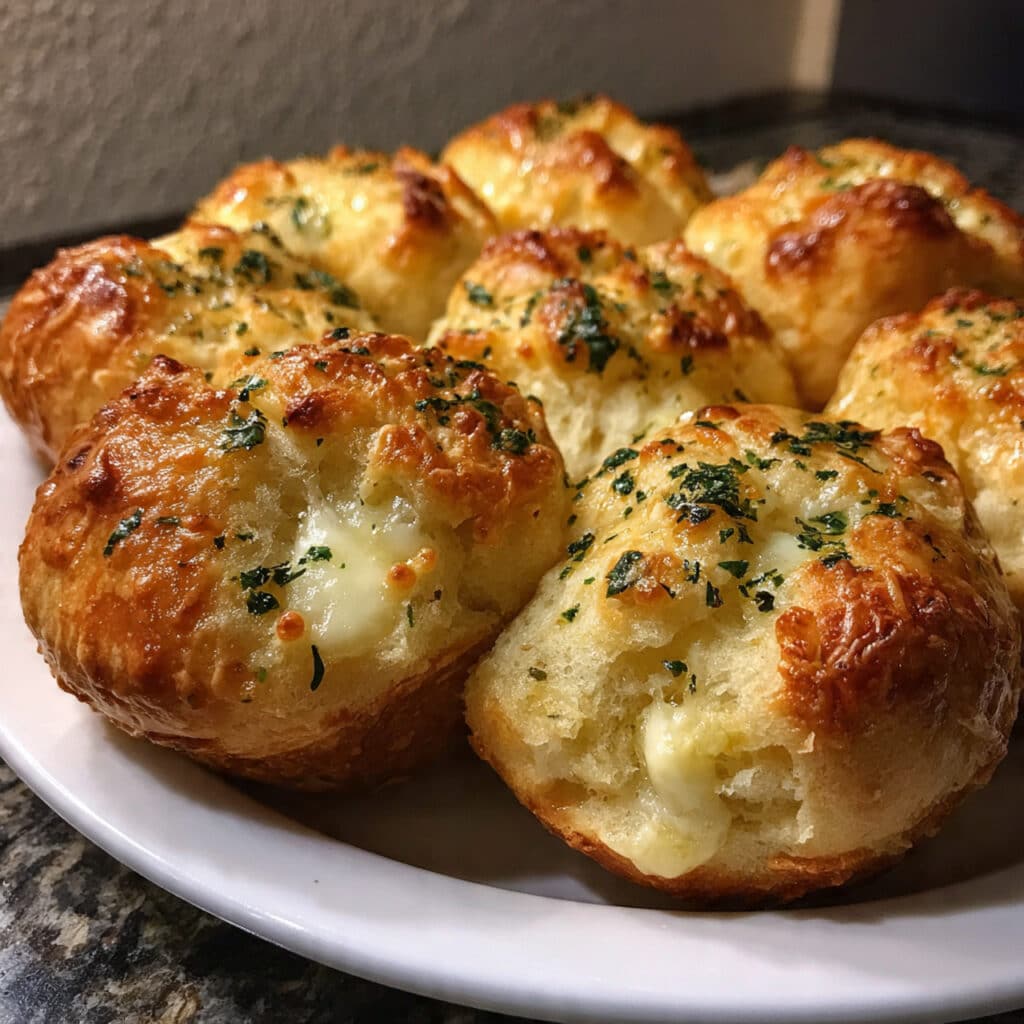
Love cheese? Mix some shredded mozzarella right into the dough for cheesy garlic knots that pull apart in stretchy, delicious strands.
Want a spicy kick? Add a pinch of red pepper flakes to your garlic butter for a subtle heat that complements the garlic beautifully.
For an herbier version, swap the parsley for fresh basil or add a teaspoon of Italian seasoning to the garlic butter. You could even brush the knots with pesto instead of garlic butter for a completely different but equally delicious twist.
If you’re feeling fancy, stuff each knot with a small cube of mozzarella before tying—they’ll bake up with melty cheese centers that are absolutely dreamy. And for a sweeter take, skip the garlic butter entirely and brush warm knots with melted butter mixed with cinnamon and sugar for a dessert version.
Make-Ahead Options
These garlic knots are most magical when served fresh and warm, but life gets busy and sometimes you need to plan ahead.
You can make the dough through the first rise, then cover it tightly and refrigerate for up to 24 hours. When you’re ready to bake, let the cold dough sit at room temperature for about 30 minutes, then shape and bake as directed. The cold fermentation actually develops even more flavor, so this is a great option!
You can also shape the knots, place them on a parchment-lined baking sheet, and freeze them solid. Once frozen, transfer to a freezer bag and store for up to 3 months. When you want fresh garlic knots, place frozen knots on a baking sheet, cover loosely, let them thaw and rise for about 2 hours at room temperature, then brush with oil and bake as usual.
Already-baked knots can be stored in an airtight container at room temperature for up to 2 days, though they’re definitely best on day one.
What to Serve With Garlic Knots
These beauties are perfect alongside a big bowl of spaghetti and meatballs or any pasta dish where you’ll want to soak up that delicious sauce. They’re also wonderful served with a warm bowl of minestrone soup or a fresh Caesar salad for a lighter meal.
Set out a bowl of marinara sauce for dipping—the combination of garlicky bread and tangy tomato sauce is absolutely classic and always a hit. They also make a great addition to pizza night, served as a starter while everyone’s waiting for the main event.
For a simple weeknight dinner, serve them with a hearty Italian wedding soup or alongside grilled chicken Parmesan. And honestly, they’re so good on their own that sometimes I just make a batch and call it dinner with a simple side salad!
Allergy Information
Common Allergens: This recipe contains gluten (wheat), dairy (butter), and may contain Parmesan cheese which includes milk.
Substitution Suggestions: For a dairy-free version, replace the butter with olive oil or vegan butter in the garlic sauce—it won’t be quite as rich but will still be delicious and fragrant.
For gluten-free garlic knots, you’ll need to use a good quality gluten-free bread flour blend that includes xanthan gum, and the texture will be slightly different but still tasty. The yeast is naturally gluten-free, so no worries there.
If you’re avoiding eggs, good news—this recipe doesn’t use any! For those avoiding garlic due to sensitivities, you could make an herb butter with just parsley, basil, oregano, and a touch of onion powder for flavor.
Storage & Reheating
Store leftover garlic knots in an airtight container or zip-top bag at room temperature for up to 2 days. They’ll lose some of their fresh-baked softness but will still taste great.
For longer storage, freeze them in a freezer-safe bag for up to 3 months. To reheat, wrap knots in foil and warm in a 350°F oven for about 10 minutes until heated through and soft again.
You can also microwave individual knots for 15–20 seconds, though the oven method gives you better texture. For the best experience, brush reheated knots with a little extra melted garlic butter to refresh them—they’ll taste almost as good as fresh!
Questions I Get Asked A Lot
Can I use instant yeast instead of active dry yeast?
Absolutely! If you’re using instant yeast, you can skip the proofing step and mix it directly into the flour. Use the same amount and proceed with the recipe. Your rise time might be slightly shorter too.
My dough isn’t rising—what happened?
The most common culprit is water that was too hot and killed the yeast, or yeast that was expired. Check the expiration date on your yeast packet, and make sure your water is warm but not hot—around 100–110°F is perfect.
Can I make these without a stand mixer?
Of course! This recipe is completely doable by hand. You’ll just need to knead the dough a bit longer on your countertop, but it’s actually quite therapeutic and satisfying to do it the old-fashioned way.
How do I know when the knots are done baking?
They should be light golden brown on top and sound slightly hollow when you tap them gently. If you have an instant-read thermometer, the internal temperature should be around 190°F.
💬 Tried this recipe? Leave a comment and rating below! I’d love to hear how your garlic knots turned out and if you tried any fun variations.