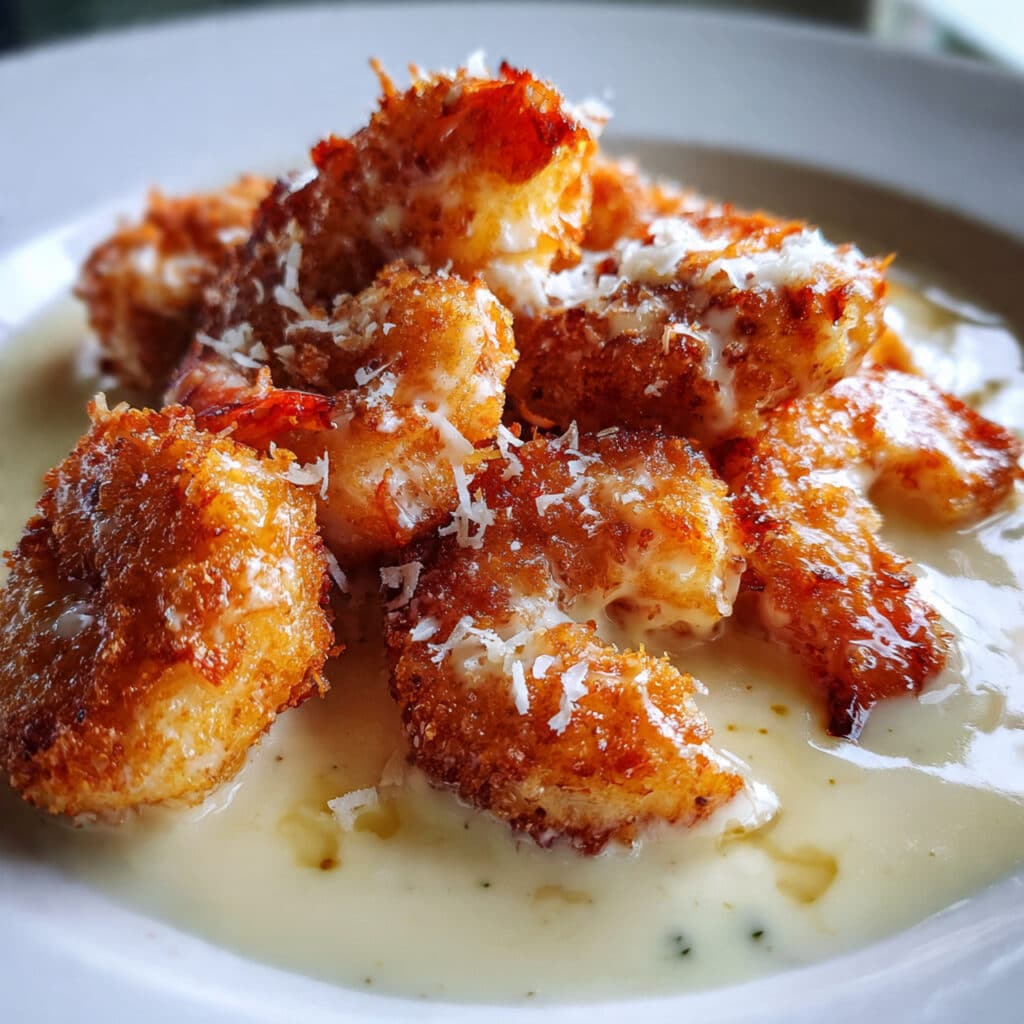
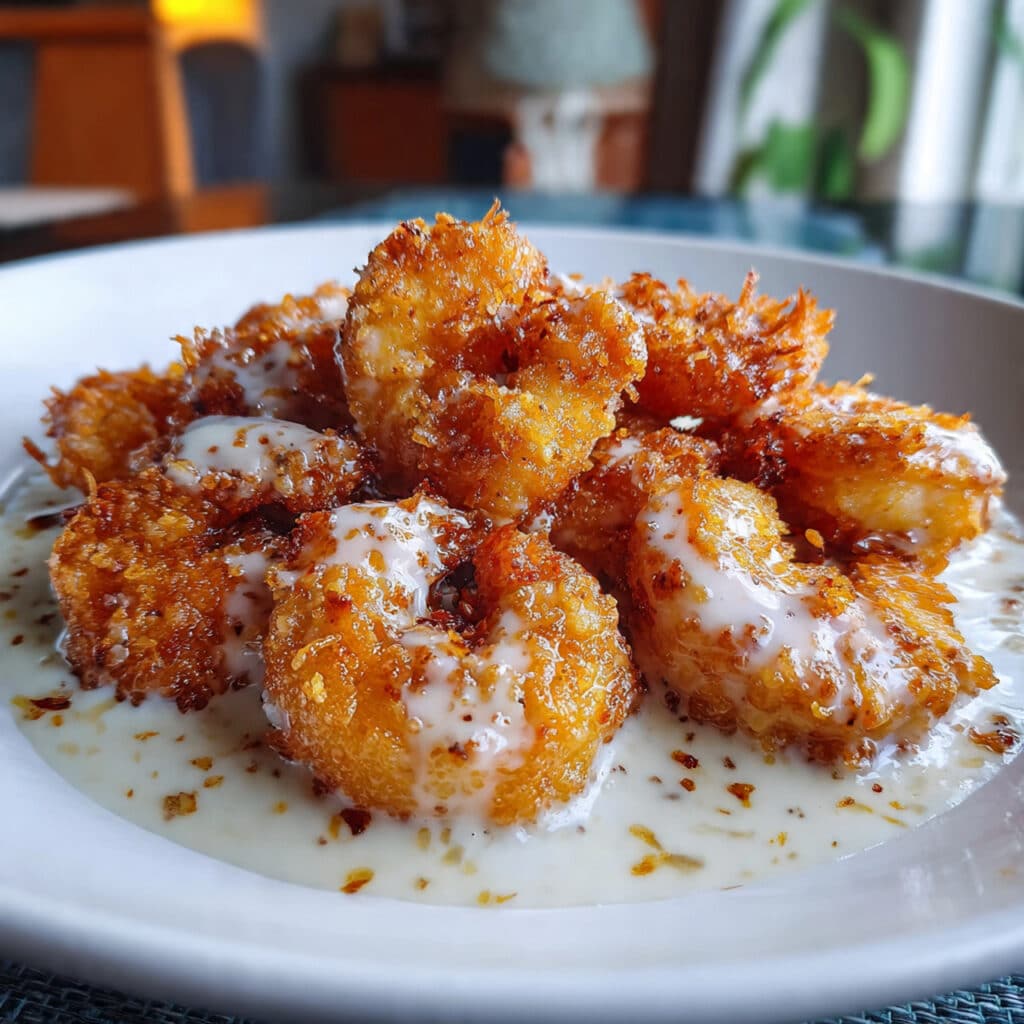
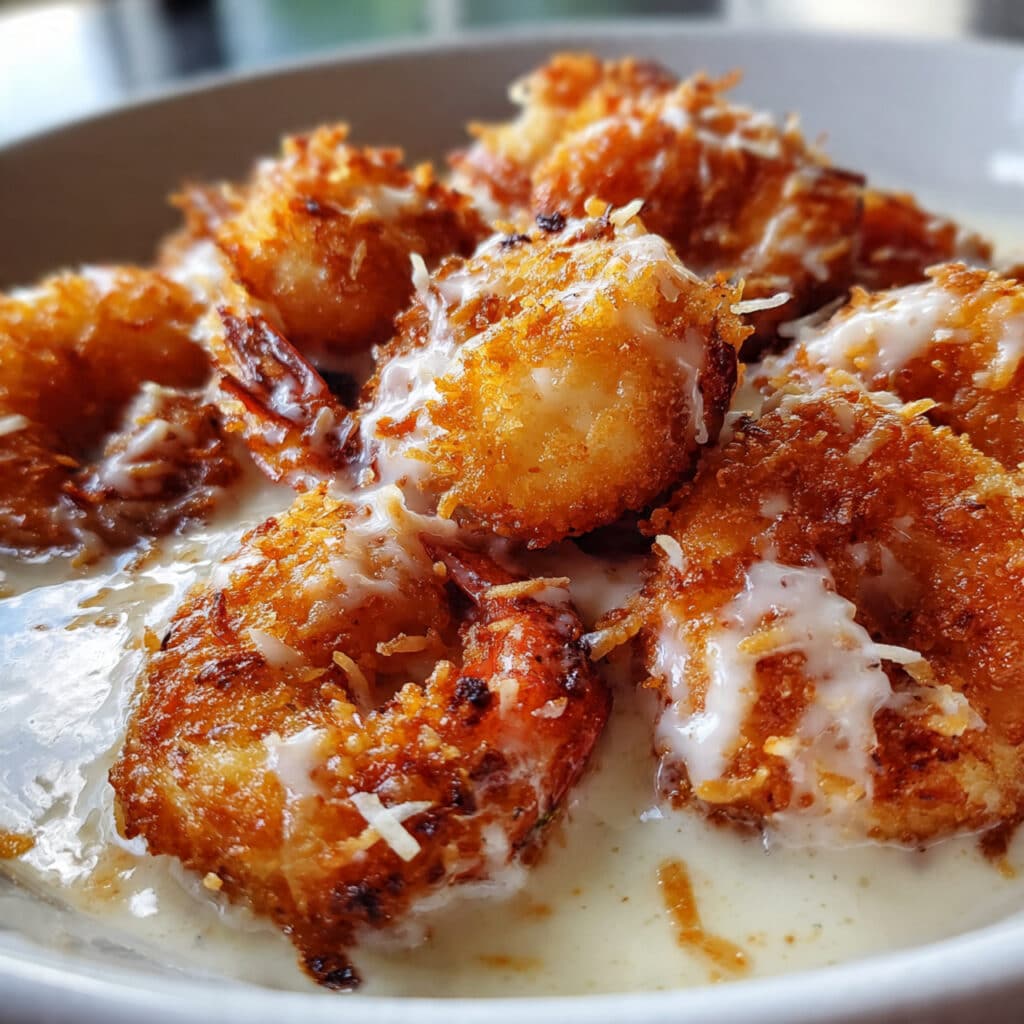
Chinese Coconut Shrimp is crispy, creamy, and absolutely irresistible comfort food that comes together in just 35 minutes! This restaurant-quality dish features perfectly golden shrimp coated in a luscious coconut sauce that’s both sweet and tangy. With simple ingredients like coconut milk, cornstarch, and fresh ginger, you can bring the magic of your favorite takeout right into your own kitchen.
Love More Shrimp Recipes? Try My Salt and Pepper Shrimp or this One Pot Shrimp Boil next.
Why You’ll Love This Recipe
- Better than takeout – You control the quality of ingredients and save money while creating restaurant-worthy results
- That signature crunch – The breading stays wonderfully crispy even after being tossed in the luscious sauce
- Balanced flavors – Sweet coconut milk meets tangy vinegar for a sauce that’s truly addictive
- Beginner-friendly – No complicated techniques here, just straightforward steps that anyone can master
- Family favorite potential – Kids and adults alike fall in love with the sweet, creamy coating
Creamy Chinese Coconut Shrimp
- Total Time: 35 minutes
- Yield: 4 servings
Description
This Chinese Coconut Shrimp recipe features perfectly crispy shrimp tossed in a creamy, sweet coconut sauce. Ready in just 35 minutes, it’s even better than takeout and surprisingly easy to make at home!
Ingredients
For the Marinade:
- 1 pound shrimp, peeled and deveined (Go for larger ones if you can find them)
- 1 large egg white (Creates a tender, protective layer)
- 2 tablespoons water or rice wine (Rice wine adds lovely depth)
- 1 teaspoon coarse salt
For the Coconut Sauce:
- ¾ cup full-fat coconut milk (The richness is worth it)
- ¼ cup granulated sugar
- 1 tablespoon mayonnaise (Yes, really – it works wonders!)
- 1 teaspoon white vinegar (Balances the sweetness perfectly)
- 1 ½ teaspoons cornstarch (Your thickening agent)
- ¼ teaspoon coarse salt
- 1 teaspoon neutral oil (Canola or vegetable both work)
- 1 teaspoon minced or grated fresh ginger (Fresh makes all the difference)
- 2 tablespoons water
For the Breading:
- 1 cup cornstarch (The secret to that crispy coating)
- 1 teaspoon baking powder (Adds extra lightness)
- Neutral oil for deep-frying (You’ll need about 1 inch depth)
Instructions
Start by giving your shrimp a good pat-down with paper towels. Getting them completely dry is the foundation of crispy success.
Combine the shrimp with egg white, water (or rice wine), and salt in your large bowl. Mix everything together with your hands or a spoon until each shrimp is nicely coated.
Let this mixture rest for at least 10 minutes. During this time, the shrimp are soaking up flavor and getting that tender texture we’re after.
Grab your small bowl and whisk together the coconut milk, sugar, mayonnaise, vinegar, cornstarch, salt, and water. Make sure there are no lumps hiding in there.
Set your skillet over medium heat and add that teaspoon of oil. Once it starts shimmering, toss in your ginger.
Let the ginger sizzle for about 45 seconds until your kitchen smells amazing. Pour in your whisked sauce mixture and keep stirring as it comes to life.
The sauce will bubble up and thicken within a few minutes, turning glossy and gorgeous. Once it reaches that thick, coating consistency, take it off the heat. Don’t worry if it looks a bit thick – it’ll loosen up later when you add the hot shrimp.
Mix your cornstarch and baking powder together in a large, shallow dish. Give it a good whisk to distribute the baking powder evenly.
Here’s a little trick that makes a big difference: scoop out about ¼ cup of this dry mixture and stir it right into your marinated shrimp. This creates a tacky base layer that helps the final breading grip onto each piece.
Now comes the hands-on part. Take each shrimp individually from the marinade, letting any excess drip back into the bowl.
Press it into your cornstarch mixture, turning to coat all sides. Give it a gentle shake to remove extra breading – you want an even layer, not clumps.
Place each breaded shrimp on a clean plate. Take your time with this step; it really does make a difference in the final texture.
Pour enough oil into your pot or wok so shrimp can float freely – about 1 inch deep works perfectly. Heat it up to exactly 350°F, using your thermometer to check.
This temperature is crucial. Too hot and the outside burns while the inside stays raw; too cool and you’ll end up with greasy, limp shrimp instead of crispy perfection.
Once your oil is ready, carefully slide in a few shrimp at a time. Don’t overcrowd the pot – the shrimp need space to fry evenly.
Fry each batch for 1 to 2 minutes until they turn a beautiful golden brown. Use your spider strainer to lift them out and place them on your wire rack. The rack lets air circulate underneath so they stay crispy instead of steaming.
If your coconut sauce has cooled and thickened up, give it a quick reheat over low heat. You can add a tiny splash of water if it seems too thick.
Add all your crispy shrimp to the warm sauce and toss gently but thoroughly. You want every piece coated in that dreamy coconut goodness.
Serve immediately while the coating is still crispy and the sauce is warm.
Notes
- Maintain that temperature – After each batch, let your oil come back up to 350°F before adding more shrimp
- Timing is everything – Only toss shrimp in sauce right before serving or the coating will soften quickly
- Save and reuse your oil – Let it cool completely, strain through a fine-mesh sieve, and store in the fridge for next time
- Air fryer alternative – Spray breaded shrimp lightly with oil and cook at 400°F for 4 minutes per side for a lighter version
- Give them space – Crowding the pot drops the temperature fast, leading to greasy results instead of crispy ones
- Day-old shrimp trick – They’re slightly drier than super-fresh ones, which actually helps the coating stick better
- Prep Time: 25 minutes
- Cook Time: 10 minutes
- Category: Main Dish
- Method: Deep-Frying
- Cuisine: Chinese
Ingredients You’ll Need
For the Marinade:
- 1 pound shrimp, peeled and deveined (Go for larger ones if you can find them)
- 1 large egg white (Creates a tender, protective layer)
- 2 tablespoons water or rice wine (Rice wine adds lovely depth)
- 1 teaspoon coarse salt
For the Coconut Sauce:
- ¾ cup full-fat coconut milk (The richness is worth it)
- ¼ cup granulated sugar
- 1 tablespoon mayonnaise (Yes, really – it works wonders!)
- 1 teaspoon white vinegar (Balances the sweetness perfectly)
- 1 ½ teaspoons cornstarch (Your thickening agent)
- ¼ teaspoon coarse salt
- 1 teaspoon neutral oil (Canola or vegetable both work)
- 1 teaspoon minced or grated fresh ginger (Fresh makes all the difference)
- 2 tablespoons water
For the Breading:
- 1 cup cornstarch (The secret to that crispy coating)
- 1 teaspoon baking powder (Adds extra lightness)
- Neutral oil for deep-frying (You’ll need about 1 inch depth)
Why These Ingredients Work
Let’s talk about that egg white marinade first. It might look simple, but it’s doing something really special here.
The egg white wraps each shrimp in a silky coating that helps everything stick together while keeping the inside juicy and tender. When combined with a touch of salt and liquid, it creates the perfect base for our crispy exterior.
Now, about the cornstarch and baking powder combination. This duo is what gives you that incredibly light, almost delicate crunch that stays crispy longer than regular flour would. The baking powder creates tiny air pockets as it cooks, making the coating extra airy.
Full-fat coconut milk is absolutely essential here. Low-fat versions just won’t give you that silky, luxurious texture we’re after. The fat content is what makes the sauce cling beautifully to each piece of shrimp.
Here’s where it gets interesting: the mayonnaise. I know it sounds unusual, but it acts as an emulsifier, helping all the sauce ingredients come together in perfect harmony. It also adds a subtle richness that rounds out the flavors.
Fresh ginger brings warmth and a gentle spiciness that cuts through all that creamy sweetness. And that splash of vinegar? It’s the balancing act that keeps this dish from being one-dimensional, adding brightness that makes you want another bite.
Essential Tools and Equipment
- Large mixing bowl – For the shrimp marinade
- Small mixing bowl – To prepare the sauce ingredients
- Shallow dish or plate – Makes breading easier
- Heavy-bottomed pot or wok – Maintains steady oil temperature
- Kitchen thermometer – Takes the guesswork out of frying
- Wire cooling rack – Keeps your shrimp crispy, not soggy
- Medium skillet – For cooking the coconut sauce
- Whisk – Ensures a smooth, lump-free sauce
- Spider strainer or slotted spoon – For safe shrimp retrieval
- Paper towels – Essential for drying the shrimp properly
Step-by-Step Instructions
Step 1: Marinate the Shrimp
Start by giving your shrimp a good pat-down with paper towels. Getting them completely dry is the foundation of crispy success.
Combine the shrimp with egg white, water (or rice wine), and salt in your large bowl. Mix everything together with your hands or a spoon until each shrimp is nicely coated.
Let this mixture rest for at least 10 minutes. During this time, the shrimp are soaking up flavor and getting that tender texture we’re after.
Step 2: Make the Coconut Sauce
Grab your small bowl and whisk together the coconut milk, sugar, mayonnaise, vinegar, cornstarch, salt, and water. Make sure there are no lumps hiding in there.
Set your skillet over medium heat and add that teaspoon of oil. Once it starts shimmering, toss in your ginger.
Let the ginger sizzle for about 45 seconds until your kitchen smells amazing. Pour in your whisked sauce mixture and keep stirring as it comes to life.
The sauce will bubble up and thicken within a few minutes, turning glossy and gorgeous. Once it reaches that thick, coating consistency, take it off the heat. Don’t worry if it looks a bit thick – it’ll loosen up later when you add the hot shrimp.
Step 3: Prepare the Breading Station
Mix your cornstarch and baking powder together in a large, shallow dish. Give it a good whisk to distribute the baking powder evenly.
Here’s a little trick that makes a big difference: scoop out about ¼ cup of this dry mixture and stir it right into your marinated shrimp. This creates a tacky base layer that helps the final breading grip onto each piece.
Step 4: Coat the Shrimp
Now comes the hands-on part. Take each shrimp individually from the marinade, letting any excess drip back into the bowl.
Press it into your cornstarch mixture, turning to coat all sides. Give it a gentle shake to remove extra breading – you want an even layer, not clumps.
Place each breaded shrimp on a clean plate. Take your time with this step; it really does make a difference in the final texture.
Step 5: Deep-Fry to Golden Perfection
Pour enough oil into your pot or wok so shrimp can float freely – about 1 inch deep works perfectly. Heat it up to exactly 350°F, using your thermometer to check.
This temperature is crucial. Too hot and the outside burns while the inside stays raw; too cool and you’ll end up with greasy, limp shrimp instead of crispy perfection.
Once your oil is ready, carefully slide in a few shrimp at a time. Don’t overcrowd the pot – the shrimp need space to fry evenly.
Fry each batch for 1 to 2 minutes until they turn a beautiful golden brown. Use your spider strainer to lift them out and place them on your wire rack. The rack lets air circulate underneath so they stay crispy instead of steaming.
Step 6: Toss and Serve
If your coconut sauce has cooled and thickened up, give it a quick reheat over low heat. You can add a tiny splash of water if it seems too thick.
Add all your crispy shrimp to the warm sauce and toss gently but thoroughly. You want every piece coated in that dreamy coconut goodness.
Serve immediately while the coating is still crispy and the sauce is warm.
You Must Know
Here’s the truth about crispy coatings: moisture is your enemy. Even a little bit of water clinging to your shrimp will create a gummy, thick coating instead of that light, delicate crunch we’re after.
Pat those shrimp bone dry with paper towels before you start. It might seem like overkill, but this single step makes or breaks the recipe.
Your oil temperature matters more than you might think. If you don’t own a thermometer, test the oil by dropping in a tiny piece of the breading mixture. It should sizzle enthusiastically and float right to the top. If it sinks or browns instantly, adjust your heat.
Personal Secret: I always make extra coconut sauce and keep half of it aside in a separate bowl before adding any shrimp. The sauce that coats the shrimp picks up bits of breading and thickens considerably.
Pro Tips & Cooking Hacks
- Size matters with shrimp – Look for 16/20 or 21/25 count per pound; they’re much more forgiving and less likely to overcook
- Maintain that temperature – After each batch, let your oil come back up to 350°F before adding more shrimp
- Timing is everything – Only toss shrimp in sauce right before serving or the coating will soften quickly
- Save and reuse your oil – Let it cool completely, strain through a fine-mesh sieve, and store in the fridge for next time
- Air fryer alternative – Spray breaded shrimp lightly with oil and cook at 400°F for 4 minutes per side for a lighter version
- Give them space – Crowding the pot drops the temperature fast, leading to greasy results instead of crispy ones
- Day-old shrimp trick – They’re slightly drier than super-fresh ones, which actually helps the coating stick better
Flavor Variations & Suggestions
Want to spice things up? Stir a teaspoon of sriracha or a generous pinch of red pepper flakes into the coconut sauce for a sweet-heat combination that’s incredibly addictive.
For a tropical twist that’ll transport you to an island vacation, fold in some finely diced fresh pineapple just before serving. Those little bursts of fruit sweetness play beautifully against the creamy coconut.
You can swap half the sugar for honey to create a more complex, nuanced sweetness. The honey adds a floral quality that’s really lovely.
Some folks absolutely love adding a tablespoon of fresh lime juice to the sauce. That extra citrus brightness really wakes up the whole dish.
Feeling adventurous? Sprinkle toasted sesame seeds and thinly sliced green onions over the finished dish. The visual appeal is gorgeous, and you get these wonderful little pops of texture and flavor.
For even more citrus love, add a teaspoon of orange zest to the sauce when you add the ginger. It creates this subtle, sophisticated background note.
And if coconut really isn’t your thing (though I hope you’ll give it a chance!), you can use the same crispy shrimp technique with a sweet chili mayo sauce instead. Just mix mayo with sweet chili sauce and a good squeeze of lime.
Make-Ahead Options
The coconut sauce is wonderfully make-ahead friendly. You can prepare it up to three days in advance and store it in an airtight container in your refrigerator. Just reheat it gently on the stove when you’re ready to use it, whisking in a splash of water if needed.
The shrimp can be marinated and fully breaded up to four hours before you plan to fry them. Arrange them in a single layer on a baking sheet lined with parchment, cover with plastic wrap, and pop them in the fridge.
Here’s the honest truth though: these are absolutely at their crispiest best when fried fresh and served immediately. That said, life gets busy and we do what we can.
If you absolutely need to fry them ahead, let them cool completely and store in the refrigerator. Reheat them in a 400°F oven for about 5 minutes to bring back some of that crispness before tossing in the sauce. They won’t be quite as perfect as fresh-fried, but they’ll still taste delicious and your family won’t complain one bit.
What to Serve With Chinese Coconut Shrimp
This dish practically begs to be served over a mound of steamed jasmine rice. That fluffy rice soaks up every drop of the precious coconut sauce and makes the meal complete.
For something lighter, try cauliflower rice or a simple stir-fry of snap peas, broccoli, and bok choy. The vegetables add color and nutrition without competing with the star of the show.
A fresh cucumber salad dressed with rice vinegar makes a perfect cool, crisp contrast to the rich, warm shrimp. The contrast in temperatures and textures is really satisfying.
Want to create a full Chinese-inspired feast? Serve this alongside vegetable fried rice and some crispy potstickers or spring rolls. Your dining table will look like a restaurant spread.
Asian slaw with shredded cabbage, matchstick carrots, and a sesame-ginger dressing adds wonderful crunch and freshness to the plate.
For a lighter starter, steam some edamame and sprinkle it with flaky sea salt. It’s simple but always a crowd-pleaser.
As for drinks, iced green tea is refreshing and traditional. A slightly sweet Riesling wine complements the coconut beautifully. And honestly, a cold beer is never wrong with crispy fried food!
Allergy Information
This recipe contains shellfish, eggs, and tree nuts (coconut), which are all common allergens.
If you have a coconut allergy, this particular recipe isn’t easily adaptable since coconut is the featured flavor. However, you could use the same crispy shrimp technique and pair it with an entirely different sauce like sweet and sour or orange sauce.
For egg allergies, substitute the egg white with 2 tablespoons of aquafaba. That’s the liquid from a can of chickpeas, and it works surprisingly similarly as a binder.
The mayonnaise in the sauce can be swapped for vegan mayo if you need a dairy-free option. You could also use an extra tablespoon of coconut cream instead, which naturally comes from the coconut milk anyway.
Good news for gluten-free folks: this recipe is naturally gluten-free since it uses cornstarch instead of wheat flour. Just double-check your baking powder label to ensure it’s certified gluten-free if that’s a concern in your household.
If you’re watching sodium intake, you can reduce the salt in both the marinade and sauce. Keep in mind that it will affect the overall flavor balance, but you can adjust to your needs.
Storage & Reheating
Leftover shrimp can be stored in an airtight container in the refrigerator for up to two days. I’ll be completely honest with you – they’re never quite as magical as when they’re fresh.
The coating inevitably softens from sitting in the sauce, but the flavor is still wonderful. To reheat, spread them on a baking sheet and warm in a 375°F oven for 8 to 10 minutes.
The oven method helps restore some crispness, while the microwave will make them disappointingly rubbery. Trust me on this one.
If you want to freeze them for later, your best bet is to freeze the fried shrimp before tossing them in any sauce. Let them cool completely, freeze in a single layer on a baking sheet, then transfer to a freezer bag.
They’ll keep for up to a month this way. Thaw them in the refrigerator overnight, reheat in the oven until crispy, then make fresh coconut sauce and toss.
Extra coconut sauce stores beautifully in the fridge for up to five days in a sealed container. It makes a wonderful dipping sauce for other fried goodies or even drizzled over grilled chicken throughout the week.
Questions I Get Asked A Lot
Can I use frozen shrimp for this recipe?
Yes, absolutely! Just make sure they’re completely thawed first – overnight in the refrigerator works best. Then pat them extremely dry with paper towels before marinating. Frozen shrimp tend to hold onto extra moisture, so the drying step becomes even more critical for achieving that crispy coating.
My coating fell off during frying, what did I do wrong?
This frustrating problem usually comes down to two things: either the shrimp weren’t dry enough before breading, or your oil temperature was too low. Make sure you pat the shrimp completely dry, then let them sit for a minute or two after breading so the coating can set before frying. Also verify that your oil stays at a steady 350°F throughout cooking.
The sauce seems too thick – how do I fix it?
No problem at all! Just whisk in water or coconut milk, one tablespoon at a time, until it reaches the consistency you like. The sauce naturally thickens as it cools, so this is completely normal. Reheat it gently on the stove while whisking in the liquid.
Can I bake these instead of frying?
You can, though I’ll be honest that they won’t achieve quite the same level of crispiness. Arrange your breaded shrimp on a parchment-lined baking sheet, spray them generously with cooking spray, and bake at 425°F for 10 to 12 minutes, flipping them halfway through. The air fryer method at 400°F for 4 minutes per side gives noticeably better results than oven-baking.
💬 Tried this recipe? Leave a comment and rating below! I’d absolutely love to hear how your Chinese Coconut Shrimp turned out. Did you add your own special twist?