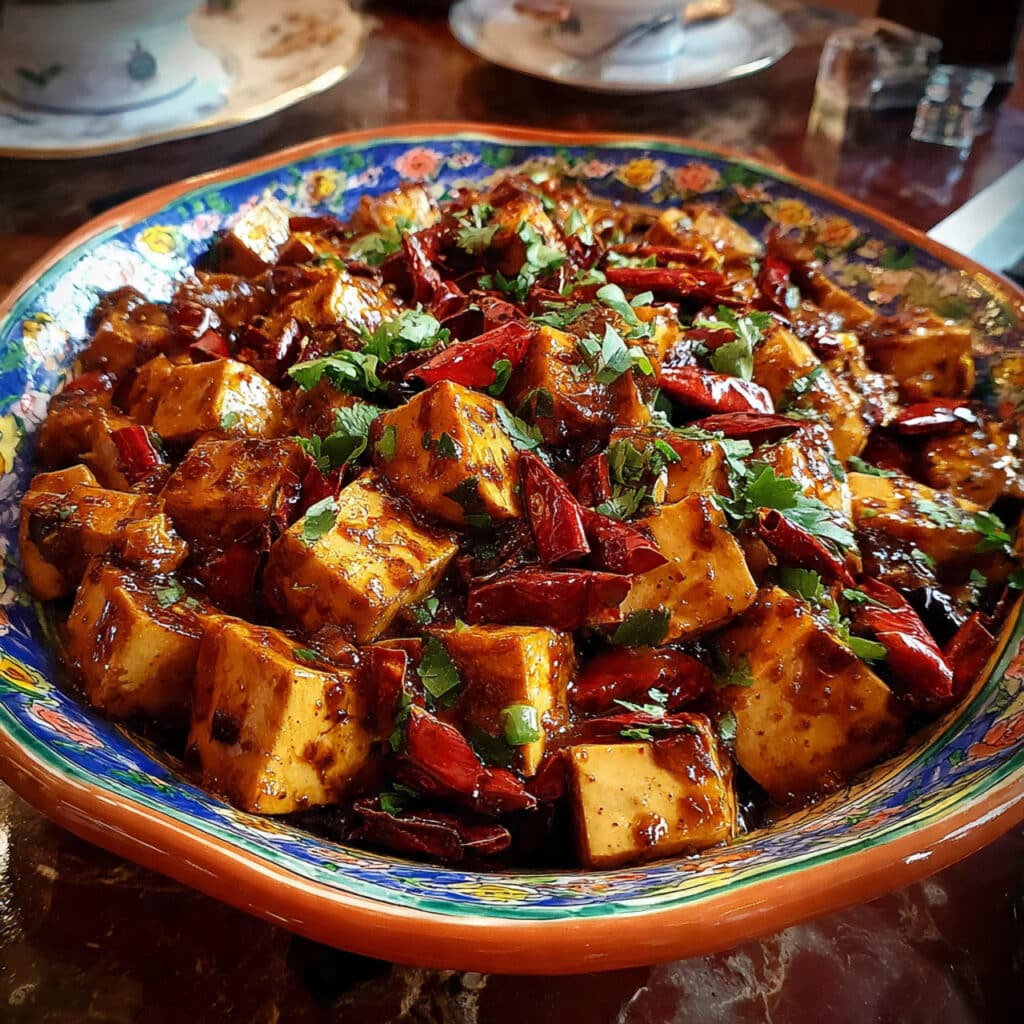
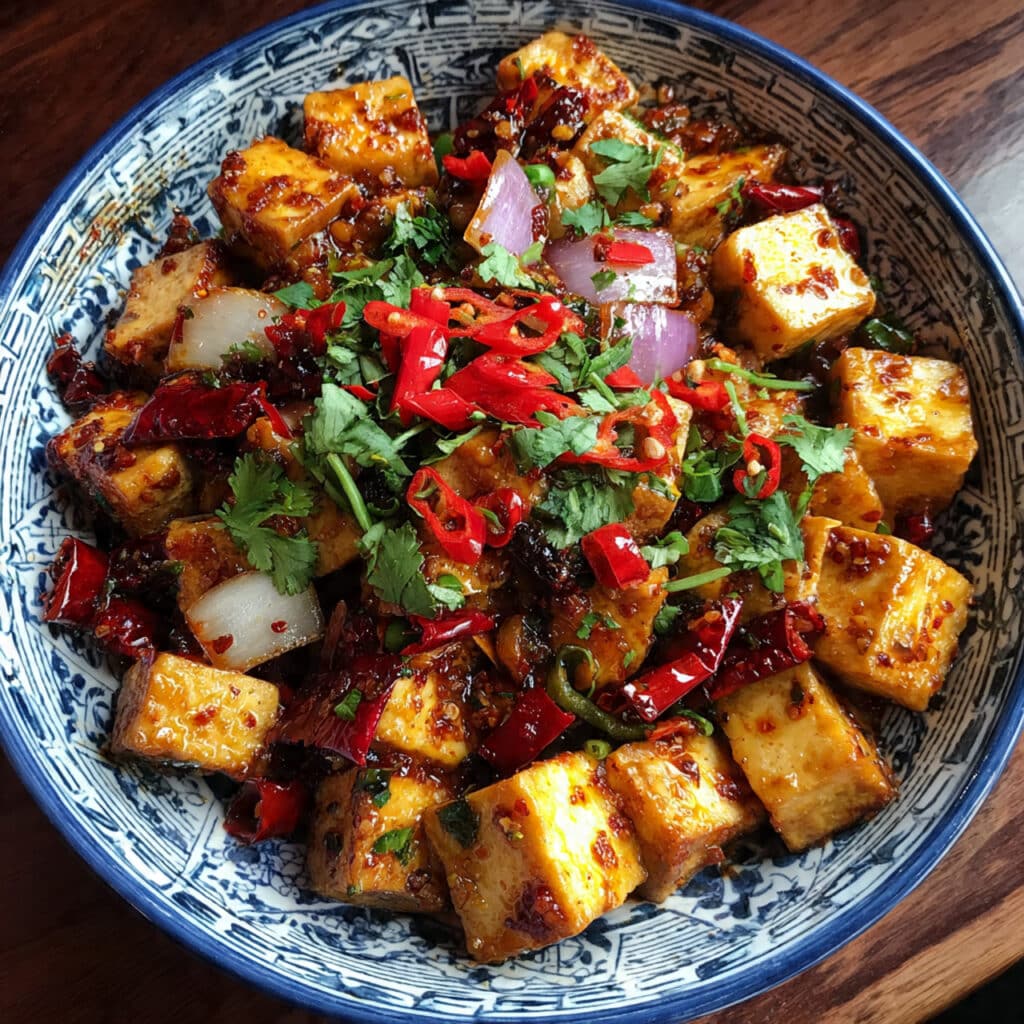
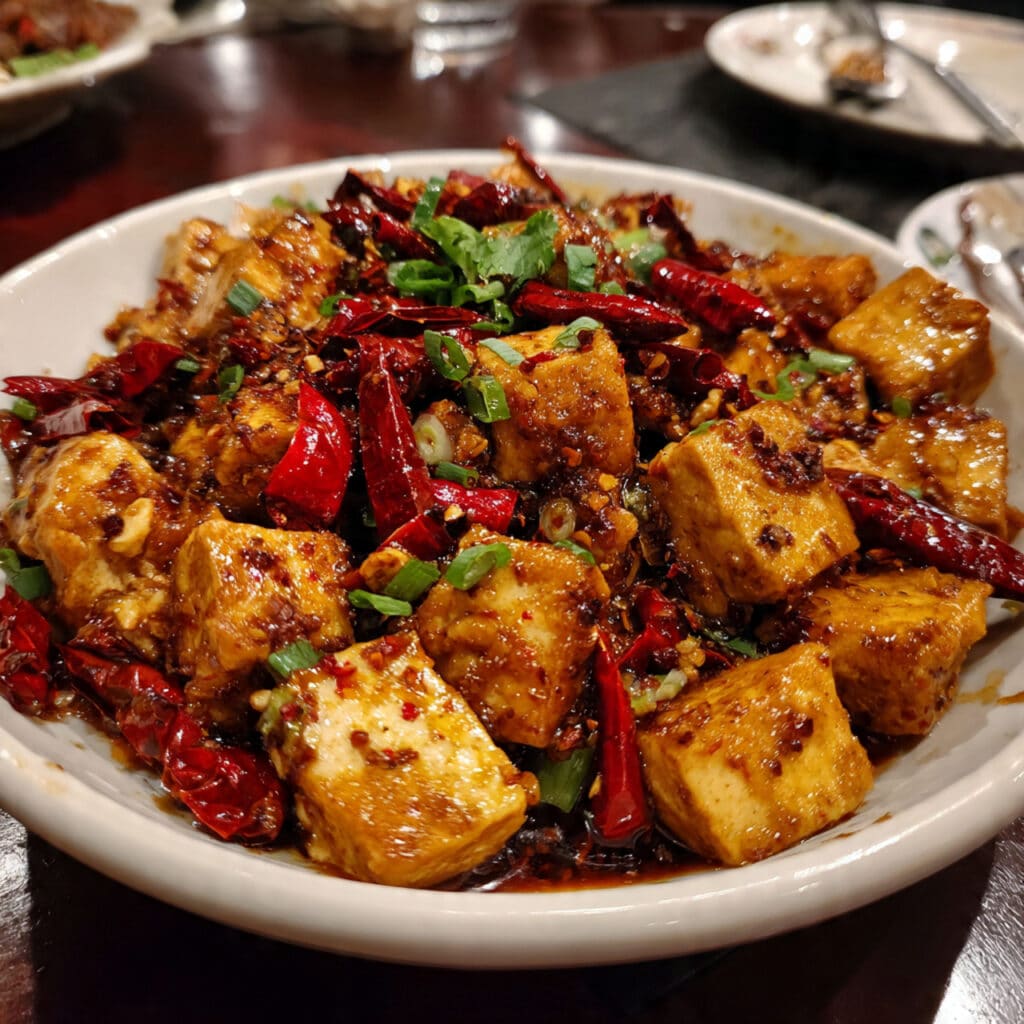
Szechuan Tofu is a vibrant, flavor-packed stir fry that brings restaurant-quality comfort right to your dinner table. This recipe features golden, crispy tofu tossed with colorful vegetables and coated in a sweet, spicy, and slightly numbing Szechuan sauce.
Why You’ll Love This Recipe
- Ready in 30 minutes — faster than delivery and tastes way better
- Customizable heat level — make it mild for the kids or fiery for the spice lovers
- That addictive Szechuan sauce — sweet, tangy, garlicky, with that signature tingly warmth
- Budget-friendly — tofu and veggies

Crispy Szechuan Tofu
- Total Time: 30 minutes
- Yield: 2 bowls
Description
Crispy pan seared tofu meets colorful vegetables in this quick and flavorful Szechuan stir fry. The homemade sauce brings the perfect balance of sweet, savory, garlicky, and spicy with that signature Szechuan peppercorn tingle. Serve it over rice or noodles for a better-than-takeout dinner that comes together in just 30 minutes.
Ingredients
For the Stir Fry:
- 8–12 ounces firm or extra-firm tofu, patted dry and cubed (can substitute shrimp or chicken if you prefer)
- 2 tablespoons peanut oil (or other high heat oil like avocado or vegetable), plus more as needed
- Generous pinch salt and fresh cracked black pepper (½ teaspoon kosher salt per ½ pound tofu)
- ½ cup thinly sliced onion (yellow or white work great)
- 4 ounces sliced mushrooms (optional, but they add such nice earthy flavor)
- 2 cups shredded cabbage (or try shredded Brussels sprouts or broccoli for a twist)
- 1 cup shredded or matchstick carrots (the pre-shredded bags are your friend here)
- ½ red bell pepper, thinly sliced (adds sweetness and gorgeous color)
- 1 cup asparagus, snap peas, edamame, or green beans (whatever’s freshest at the store)
- 6–8 small dried red Chinese or Arbol chilies (optional—these are mostly for show and fragrance)
- ¼ cup Szechuan Sauce (or more to taste—see recipe below)
For Garnish:
- Scallions, sliced
- Sesame seeds
- Chili flakes (optional, for those who like it hot)
For Serving:
- Jasmine rice, soba noodles, or zucchini noodles
For the Szechuan Sauce:
- ½–1 teaspoon Szechuan peppercorns (or substitute black peppercorns if you can’t find them)
- ¼ cup soy sauce (gluten-free? Use liquid aminos or tamari)
- 3 tablespoons honey (maple syrup, coconut sugar, or brown sugar work too)
- 1 tablespoon sesame oil (this is where the nutty magic happens)
- 1 tablespoon rice vinegar (or black vinegar for deeper flavor)
- 1 tablespoon Chinese cooking wine (shaoxing) or mirin (optional but really adds depth)
- 3 garlic cloves, finely minced (use a garlic press to save time)
- 2 teaspoons fresh ginger, finely minced (ginger paste works in a pinch)
- 1 tablespoon garlic chili paste (or sambal oelek—go wild if you love heat)
- ½ teaspoon Chinese Five Spice (that warm, mysterious flavor you can’t quite place)
- 2–3 teaspoons cornstarch (optional, but it makes the sauce gloriously glossy)
Instructions
Heat a small dry skillet over medium heat. Add your Szechuan peppercorns and toast them for 1-2 minutes, shaking the pan occasionally, until they smell incredibly fragrant and maybe just start to smoke a tiny bit. Don’t walk away—they can burn in a heartbeat. Once they’re toasted, crush them with a mortar and pestle or pulse them in a spice grinder. This step releases all those tingly, citrusy oils.
In a medium bowl or small jar, combine all your sauce ingredients: the crushed peppercorns, soy sauce, honey, sesame oil, rice vinegar, Chinese cooking wine (if using), minced garlic, minced ginger, garlic chili paste, and Chinese Five Spice. Whisk it all together until it’s well combined and the honey is dissolved. If you want a thicker sauce that clings to the tofu, whisk in the cornstarch now. Set this magical mixture aside.
This is where the magic happens. Heat your peanut oil in a large skillet or wok over medium-high heat until it’s shimmering. Season the oil generously with salt and black pepper (about ½ teaspoon kosher salt per ½ pound of tofu), and swirl it around so it coats the pan. Add your cubed tofu in a single layer—don’t crowd them or they’ll steam instead of sear.
Here’s the hardest part: leave them alone. I know you want to poke and flip and check, but resist! Let them sear undisturbed for 3-4 minutes until they’re golden and crispy on the bottom. They’ll naturally release from the pan when they’re ready. Flip them to another side and repeat. You want at least two beautifully golden sides. When they’re crispy and gorgeous, set them aside on a plate.
To the same pan (all those tofu bits stuck to the bottom are flavor!), add a little more oil if it looks dry. Toss in your sliced onion and mushrooms first—they need a head start. Sauté them over medium-high heat, stirring and tossing constantly, for about 3 minutes until they’re tender and starting to brown.
Now add the rest of your vegetables: cabbage, carrots, bell pepper, and your green veggie of choice. Lower the heat to medium and keep tossing and stirring for 3-5 minutes. You want them tender but still vibrant and slightly crisp—nobody likes mushy stir fry veggies. They should still have some bite.
Add those dried chilies now (careful—they can be potent!), turn on your hood fan, and sauté for one more minute. Your kitchen will smell like a Szechuan restaurant.
Pour in about ¼ cup of your Szechuan sauce (you can always add more—start conservative if you’re heat-sensitive). Let it cook for about 2 minutes, stirring everything together so the veggies get coated and the sauce thickens up a bit. It’ll get glossy and gorgeous.
Divide your beautiful Szechuan tofu among bowls. Sprinkle generously with sliced scallions and sesame seeds. If you’re a heat seeker, add some chili flakes on top. Serve it as is for a low-carb meal, or spoon it over fluffy jasmine rice, chewy soba noodles, or light zucchini noodles.
Notes
Don’t have Szechuan peppercorns? Regular black peppercorns work fine—you’ll lose that signature tingly sensation, but the dish will still be delicious. Asian markets usually carry them, or you can order them online. Once you try them, though, you’ll always keep them stocked.
For the crispiest tofu, use extra-firm and make sure your pan is hot before adding it. Medium tofu will fall apart, and soft tofu will basically dissolve. Also, resist the urge to stir constantly. Give things time to develop color and flavor.
If your sauce seems too thick, thin it with a tablespoon of water. Too thin? Let it simmer an extra minute or whisk in a bit more cornstarch mixed with cold water.
- Prep Time: 10 minutes
- Cook Time: 20 minutes
- Category: Main Dish
- Method: Stir Fry
- Cuisine: Szechuan/Chinese
Ingredients You’ll Need
For the Stir Fry:
- 8-12 ounces firm or extra-firm tofu, patted dry and cubed (can substitute shrimp or chicken if you prefer)
- 2 tablespoons peanut oil (or other high heat oil like avocado or vegetable), plus more as needed
- Generous pinch salt and fresh cracked black pepper (½ teaspoon kosher salt per ½ pound tofu)
- ½ cup thinly sliced onion (yellow or white work great)
- 4 ounces sliced mushrooms (optional, but they add such nice earthy flavor)
- 2 cups shredded cabbage (or try shredded Brussels sprouts or broccoli for a twist)
- 1 cup shredded or matchstick carrots (the pre-shredded bags are your friend here)
- ½ red bell pepper, thinly sliced (adds sweetness and gorgeous color)
- 1 cup asparagus, snap peas, edamame, or green beans (whatever’s freshest at the store)
- 6-8 small dried red Chinese or Arbol chilies (optional—these are mostly for show and fragrance)
- ¼ cup Szechuan Sauce (or more to taste—see recipe below)
For Garnish:
- Scallions, sliced
- Sesame seeds
- Chili flakes (optional, for those who like it hot)
For Serving:
- Jasmine rice, soba noodles, or zucchini noodles
For the Szechuan Sauce:
- ½-1 teaspoon Szechuan peppercorns (or substitute black peppercorns if you can’t find them)
- ¼ cup soy sauce (gluten-free? Use liquid aminos or tamari)
- 3 tablespoons honey (maple syrup, coconut sugar, or brown sugar work too)
- 1 tablespoon sesame oil (this is where the nutty magic happens)
- 1 tablespoon rice vinegar (or black vinegar for deeper flavor)
- 1 tablespoon Chinese cooking wine (shaoxing) or mirin (optional but really adds depth)
- 3 garlic cloves, finely minced (use a garlic press to save time)
- 2 teaspoons fresh ginger, finely minced (ginger paste works in a pinch)
- 1 tablespoon garlic chili paste (or sambal oelek—go wild if you love heat)
- ½ teaspoon Chinese Five Spice (that warm, mysterious flavor you can’t quite place)
- 2-3 teaspoons cornstarch (optional, but it makes the sauce gloriously glossy)
Why These Ingredients Work
Let’s talk about what makes this dish sing. The firm tofu is your blank canvas—it soaks up all that incredible sauce while getting beautifully crispy on the outside. Pat it really dry before cooking; that’s the secret to getting those golden edges we’re after. The high heat oil (peanut is my favorite) can take the heat without smoking up your kitchen, which matters when you’re working with a hot wok.
Those Szechuan peppercorns are the star of the show. They’re not spicy like regular pepper—they create this tingly, almost numbing sensation on your tongue that’s strangely addictive. If you’ve never tried them, you’re in for a treat. The combination of soy sauce and honey creates that perfect sweet-salty balance that makes Chinese takeout so crave-worthy, while the sesame oil adds a toasty, nutty note that ties everything together.
The garlic and ginger are non-negotiable. They’re the foundation of so many Asian dishes for good reason—they just make everything taste right. And that garlic chili paste? It brings the heat but also adds fermented depth that makes this sauce restaurant-quality. The Chinese Five Spice might seem mysterious, but it’s a blend of star anise, cloves, cinnamon, Szechuan pepper, and fennel that adds warmth and complexity you’ll taste but can’t quite identify.
As for the veggies, we’re going for a rainbow here. Cabbage adds crunch and body, carrots bring sweetness, bell peppers add color and a slight char, and whatever green veggie you choose brings freshness. Those dried chilies are mostly for show and aroma—they make the dish look dramatic and smell incredible, but you don’t eat them.
Essential Tools and Equipment
- Large skillet or wok (a wok is traditional, but a big skillet works beautifully)
- Small dry skillet (for toasting peppercorns)
- Mortar and pestle or spice grinder (to crush those peppercorns)
- Medium bowl or small jar (for mixing the sauce)
- Whisk
- Sharp knife and cutting board
- Paper towels or clean kitchen towel (for drying tofu)
- Spatula or wooden spoon (for tossing the stir fry)
Step-by-Step Instructions
Step 1: Toast the Peppercorns
Heat a small dry skillet over medium heat. Add your Szechuan peppercorns and toast them for 1-2 minutes, shaking the pan occasionally, until they smell incredibly fragrant and maybe just start to smoke a tiny bit. Don’t walk away—they can burn in a heartbeat. Once they’re toasted, crush them with a mortar and pestle or pulse them in a spice grinder. This step releases all those tingly, citrusy oils.
Step 2: Mix Your Szechuan Sauce
In a medium bowl or small jar, combine all your sauce ingredients: the crushed peppercorns, soy sauce, honey, sesame oil, rice vinegar, Chinese cooking wine (if using), minced garlic, minced ginger, garlic chili paste, and Chinese Five Spice. Whisk it all together until it’s well combined and the honey is dissolved. If you want a thicker sauce that clings to the tofu, whisk in the cornstarch now. Set this magical mixture aside.
Step 3: Pan-Sear the Tofu
This is where the magic happens. Heat your peanut oil in a large skillet or wok over medium-high heat until it’s shimmering. Season the oil generously with salt and black pepper (about ½ teaspoon kosher salt per ½ pound of tofu), and swirl it around so it coats the pan. Add your cubed tofu in a single layer—don’t crowd them or they’ll steam instead of sear.
Here’s the hardest part: leave them alone. I know you want to poke and flip and check, but resist! Let them sear undisturbed for 3-4 minutes until they’re golden and crispy on the bottom. They’ll naturally release from the pan when they’re ready. Flip them to another side and repeat. You want at least two beautifully golden sides. When they’re crispy and gorgeous, set them aside on a plate.
Step 4: Sauté the Vegetables
To the same pan (all those tofu bits stuck to the bottom are flavor!), add a little more oil if it looks dry. Toss in your sliced onion and mushrooms first—they need a head start. Sauté them over medium-high heat, stirring and tossing constantly, for about 3 minutes until they’re tender and starting to brown.
Now add the rest of your vegetables: cabbage, carrots, bell pepper, and your green veggie of choice. Lower the heat to medium and keep tossing and stirring for 3-5 minutes. You want them tender but still vibrant and slightly crisp—nobody likes mushy stir fry veggies. They should still have some bite.
Add those dried chilies now (careful—they can be potent!), turn on your hood fan, and sauté for one more minute. Your kitchen will smell like a Szechuan restaurant.
Step 5: Add the Sauce and Bring It Together
Pour in about ¼ cup of your Szechuan sauce (you can always add more—start conservative if you’re heat-sensitive). Let it cook for about 2 minutes, stirring everything together so the veggies get coated and the sauce thickens up a bit. It’ll get glossy and gorgeous.
Step 6: Serve It Up
Divide your beautiful Szechuan tofu among bowls. Sprinkle generously with sliced scallions and sesame seeds. If you’re a heat seeker, add some chili flakes on top. Serve it as is for a low-carb meal, or spoon it over fluffy jasmine rice, chewy soba noodles, or light zucchini noodles.
You Must Know
The absolute most important thing about this recipe is getting your tofu crispy. If you skip patting it dry, you’ll end up with soggy, steamed tofu instead of those golden, crispy cubes we’re after. Take an extra minute to press out as much water as possible with paper towels or a clean kitchen towel. And please, please don’t move the tofu around in the pan while it’s searing. Let it sit there and develop that crust—it’ll release when it’s ready.
Another critical point: have everything prepped before you turn on the stove. Stir fries move fast, and you don’t want to be chopping carrots while your garlic burns. This is what chefs call “mise en place”—everything in its place. Line up your ingredients, make your sauce, and then cook.
Personal Secret: I always make extra sauce and keep it in a jar. Sometimes I double the recipe and use it all week on rice bowls, tossed with noodles, even as a marinade for chicken.
Pro Tips & Cooking Hacks
Press your tofu if you have time. Wrap it in paper towels, set it on a plate, put another plate on top, and weigh it down with a can for 15-30 minutes. This removes even more water and makes for extra crispy results. Or buy pre-pressed tofu if your store carries it—total game changer.
If you’re nervous about the heat level, start with less chili paste and fewer dried chilies. You can always add more, but you can’t take it away. I learned this the hard way when I made it for my mother-in-law who thought she loved spicy food. She did not love it that spicy.
Don’t have Szechuan peppercorns? Regular black peppercorns work fine—you’ll lose that signature tingly sensation, but the dish will still be delicious. Asian markets usually carry them, or you can order them online. Once you try them, though, you’ll always keep them stocked.
For the crispiest tofu, use extra-firm and make sure your pan is hot before adding it. Medium tofu will fall apart, and soft tofu will basically dissolve. Also, resist the urge to stir constantly. Give things time to develop color and flavor.
If your sauce seems too thick, thin it with a tablespoon of water. Too thin? Let it simmer an extra minute or whisk in a bit more cornstarch mixed with cold water.
Flavor Variations & Suggestions
Want to mix things up? Try adding cashews or peanuts for crunch—toss them in during the last minute of cooking. Water chestnuts add a fun texture, too. Some people love adding baby corn or bamboo shoots for that authentic Chinese restaurant vibe.
If you’re not into tofu, this recipe is incredibly flexible. Substitute shrimp (they cook fast—just 2-3 minutes per side), chicken breast cut into bite-sized pieces, or even thinly sliced beef. Just adjust your cooking time accordingly and make sure proteins are cooked through before adding the sauce.
For a different veggie lineup, try broccoli florets, bok choy, snow peas, or zucchini. Really, any vegetable you have hanging out in your crisper drawer will work. That’s the beauty of stir fries—they’re endlessly adaptable.
Feeling adventurous? Add a tablespoon of peanut butter to your sauce for a Thai-inspired twist. Or throw in some orange zest for brightness. A splash of lime juice at the end adds incredible freshness. My daughter loves when I add pineapple chunks—it sounds weird, but the sweetness plays beautifully with the heat.
Make-Ahead Options
You can definitely prep components ahead to make dinner come together faster. The sauce keeps beautifully in the fridge for up to two weeks in an airtight jar—just give it a good shake before using. Cube your tofu and keep it pressed and wrapped in the fridge for up to two days. Chop all your vegetables the night before and store them in containers or bags.
The one thing I don’t recommend making ahead is the actual cooked dish. Stir fries are really best fresh when everything is still crispy and vibrant. However, if you have leftovers (rarely happens at my house), they’ll keep in the fridge for 3-4 days. Just know that the tofu won’t be as crispy and the veggies will soften. Reheat in a hot skillet rather than the microwave to revive some of that texture.
If you want to freeze components, freeze the sauce in ice cube trays, then pop them into a freezer bag. Freeze pressed, cubed tofu in a single layer on a baking sheet, then transfer to a bag. The texture actually gets chewier when frozen, which some people love. Don’t freeze the cooked vegetables—they’ll get mushy.
What to Serve With Szechuan Tofu
This dish is pretty complete on its own, but here’s how I usually round out the meal. Serve it over fluffy jasmine rice—the mild, slightly sticky rice is perfect for soaking up all that sauce. Sometimes I make coconut rice by cooking the rice in half coconut milk, half water. It adds a subtle sweetness that’s lovely with the spice.
For something lighter, serve it over zucchini noodles or shirataki noodles. Soba noodles are another great option—they’re made from buckwheat and have this nutty flavor that complements the Szechuan sauce beautifully. Sometimes I just serve it in bowls as is for a low-carb dinner that still feels satisfying.
Side-wise, keep it simple. A cucumber salad with rice vinegar and sesame oil cuts through the richness. Edamame sprinkled with sea salt makes an easy starter. Egg drop soup is light and comforting. And if you want to go all out, make some scallion pancakes or steamed dumplings.
For drinks, iced green tea is refreshing and traditional. A cold beer (something light like a lager or pilsner) tames the heat nicely.
Allergy Information
This recipe contains soy (from tofu and soy sauce), sesame (sesame oil and seeds), and potentially wheat if your soy sauce isn’t gluten-free. If you’re gluten-free, make sure to use tamari or coconut aminos instead of regular soy sauce. Read your chili paste label too—some contain wheat.
For soy allergies, you can substitute the tofu with chicken, shrimp, or even chickpeas. Use coconut aminos instead of soy sauce—it has a similar flavor profile but is soy-free. For sesame allergies, skip the sesame oil and seeds. Use a neutral oil like avocado oil and garnish with crushed peanuts instead of sesame seeds.
If honey isn’t part of your diet, maple syrup or agave work equally well. The cornstarch is naturally gluten-free, and the whole dish can easily be made vegan and gluten-free with just a couple of simple swaps. That’s what I love about this recipe—it’s already pretty allergy-friendly with minimal adjustments needed.
Storage & Reheating
Store leftovers in an airtight container in the refrigerator for up to 4 days. I like to keep the rice or noodles separate from the stir fry if possible—it stays fresher that way. When you’re ready to eat, reheat the stir fry in a hot skillet with a tiny splash of oil or water to bring it back to life. You can microwave it in a pinch, but the tofu won’t be as crispy and the veggies can get a bit limp.
Honestly, this dish doesn’t freeze well once it’s cooked. The vegetables get watery and mushy when thawed, and the tofu texture suffers. But like I mentioned earlier, you can freeze the sauce and pressed tofu separately, which makes it super quick to throw together a fresh batch whenever the craving hits.
If you’re bringing this for lunch, pack it in a container with the rice or noodles on the bottom and the stir fry on top. Reheat for about 2 minutes in the microwave, give it a good stir, and you’ve got yourself a lunch that’ll make your coworkers jealous.
Frequently Asked Questions
My tofu fell apart in the pan—what did I do wrong?
This usually means you didn’t use firm enough tofu or it was too wet. Make sure you’re buying firm or extra-firm tofu, not medium or soft. Pat it really dry before cubing, and press out as much moisture as possible. Also, don’t flip it too early—let it develop a golden crust before trying to move it. The crust acts like a protective shell that keeps it intact.
Where can I find Szechuan peppercorns?
Check the spice aisle of your regular grocery store first—many carry them now. Asian markets definitely have them, usually in the spice or dried goods section. You can also order them online. If you absolutely can’t find them, use black peppercorns—your sauce won’t have that signature tingly, numbing quality, but it’ll still taste delicious. Once you try Szechuan peppercorns though, you’ll be hooked.
Why is my sauce watery and not thickening?
If your sauce isn’t thickening, you either didn’t add the cornstarch or didn’t let it cook long enough. Cornstarch needs heat to activate and thicken. Make sure you whisked it into the sauce really well (no lumps!), then let the sauce simmer for the full 2 minutes. If it’s still thin, mix another teaspoon of cornstarch with a tablespoon of cold water, whisk it smooth, and stir it into the pan. Give it another minute to thicken up.
💬 Tried this recipe? Leave a comment and rating below! I love hearing about your stir fry adventures, especially if you put your own spin on it. Did you add extra veggies? Make it with chicken?