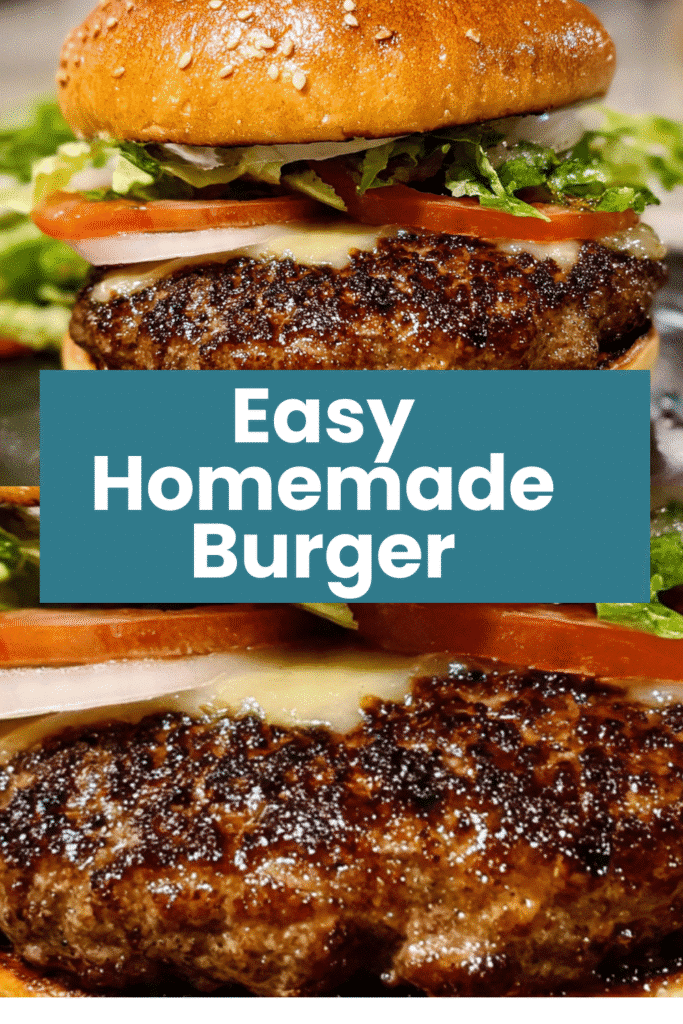
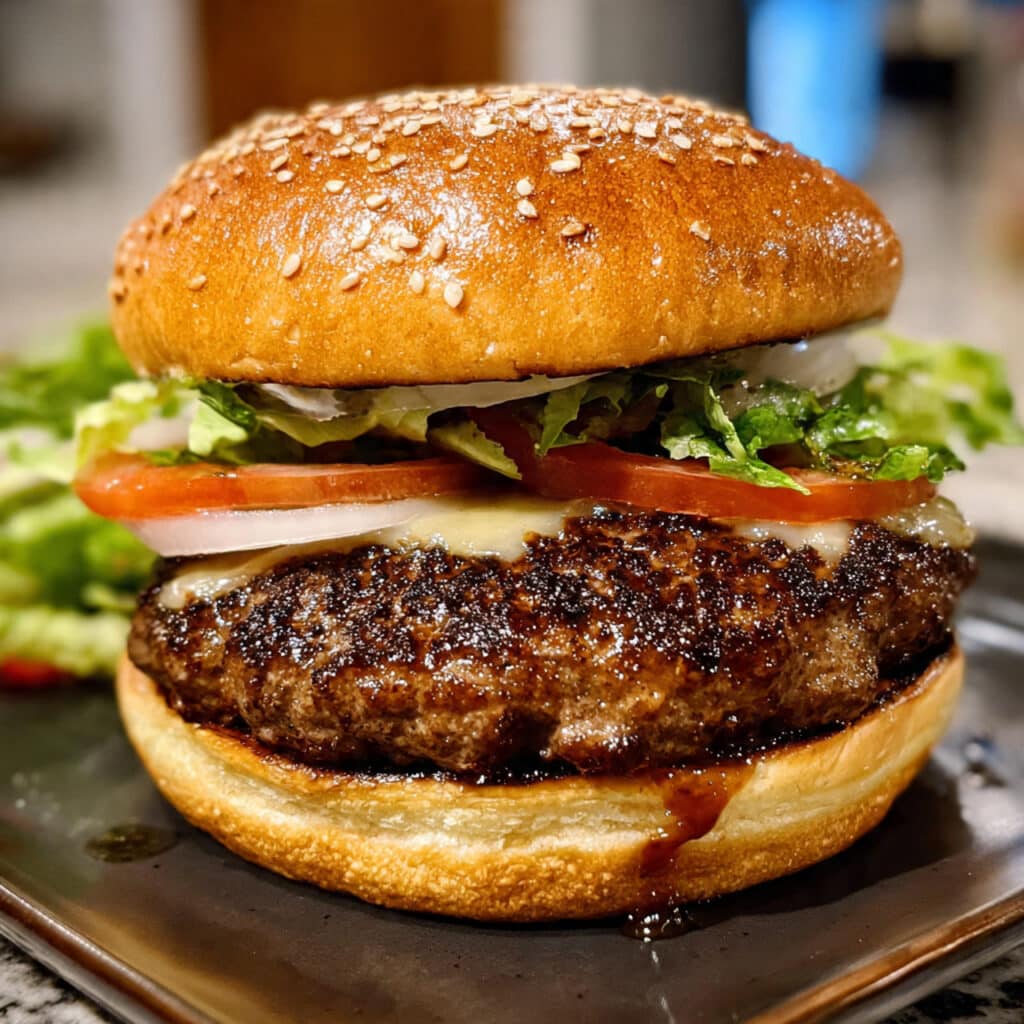
Juicy burger patties are the kind of comfort food that brings everyone to the table with a smile. There’s something magical about the sizzle of a perfectly seasoned patty hitting a hot skillet, filling your kitchen with that irresistible aroma that says “dinner’s almost ready.” With just a handful of ingredients and a few simple techniques, you’ll have tender, flavorful burgers that remind you of backyard cookouts and family gatherings.
Why You’ll Love This Recipe
- Restaurant-quality burgers at home – These patties are juicy, flavorful, and beat any frozen burger hands down
- Simple ingredients you already have – No fancy pantry items needed, just good ground beef and basic seasonings
- Endlessly customizable – Make them your own with different seasonings, cheese, or toppings
- Perfect for meal prep – Shape and freeze them ahead for quick weeknight dinners
- Kid-approved classic – Even picky eaters can’t resist a good homemade burger
Ingredients You’ll Need
For the Burger Patties:
- 2 pounds ground beef (80/20 blend works best for juiciness)
- 1 tablespoon Worcestershire sauce (adds savory depth)
- 1 teaspoon garlic powder
- 1 teaspoon onion powder
- 1½ teaspoons salt
- ½ teaspoon black pepper
- 1 tablespoon cold water (secret ingredient for moisture!)
Note: You can use 85/15 ground beef if you prefer leaner patties, but they won’t be quite as juicy.
Why These Ingredients Work
Ground beef with an 80/20 fat ratio is the sweet spot for burger patties because that fat keeps everything moist and tender as it cooks.
The Worcestershire sauce isn’t just for flavor—it actually helps tenderize the meat while adding a subtle umami richness that makes people wonder what your secret is. Garlic and onion powder give you classic burger flavor without the moisture that fresh onions can add, which keeps your patties from falling apart.
That tablespoon of cold water might seem odd, but it’s a game-changer—it helps distribute the seasonings evenly and adds just enough moisture to keep the meat from drying out, especially around the edges. And salt and pepper? Well, they’re the foundation of good seasoning, bringing out all the beefy flavor you’re looking for.
Essential Tools and Equipment
- Large mixing bowl – for combining ingredients without overworking the meat
- Measuring spoons – for accurate seasoning
- Kitchen scale (optional) – helps make evenly-sized patties
- Cast iron skillet or grill – for that perfect sear and crust
- Spatula – a sturdy one that can flip without breaking the patties
- Parchment paper – for stacking patties if making ahead
Step-by-Step Instructions
Step 1: Prepare Your Meat Mixture
Place the ground beef in a large mixing bowl and add the Worcestershire sauce, garlic powder, onion powder, salt, pepper, and cold water. Using your hands (it’s messy but effective!), gently mix everything together until just combined. Don’t overwork it—you want the ingredients distributed evenly, but overmixing will make your burgers tough and dense.
Step 2: Divide and Shape the Patties
Divide the mixture into 6 equal portions (about 5–6 ounces each). Gently form each portion into a patty about ¾-inch thick. Here’s the secret: use your thumb to make a small indent in the center of each patty. This keeps them from puffing up into meatballs as they cook, so you get that classic flat burger shape.
Step 3: Chill the Patties (Optional but Recommended)
If you have time, place the shaped patties on a parchment-lined plate and refrigerate for 15–30 minutes. This helps them hold together better when cooking, especially if you’re grilling.
Step 4: Preheat Your Cooking Surface
Heat a cast iron skillet over medium-high heat or preheat your grill to medium-high (about 375–400°F). You want it hot enough to create a nice crust but not so hot that the outside burns before the inside cooks through.
Step 5: Cook the Patties
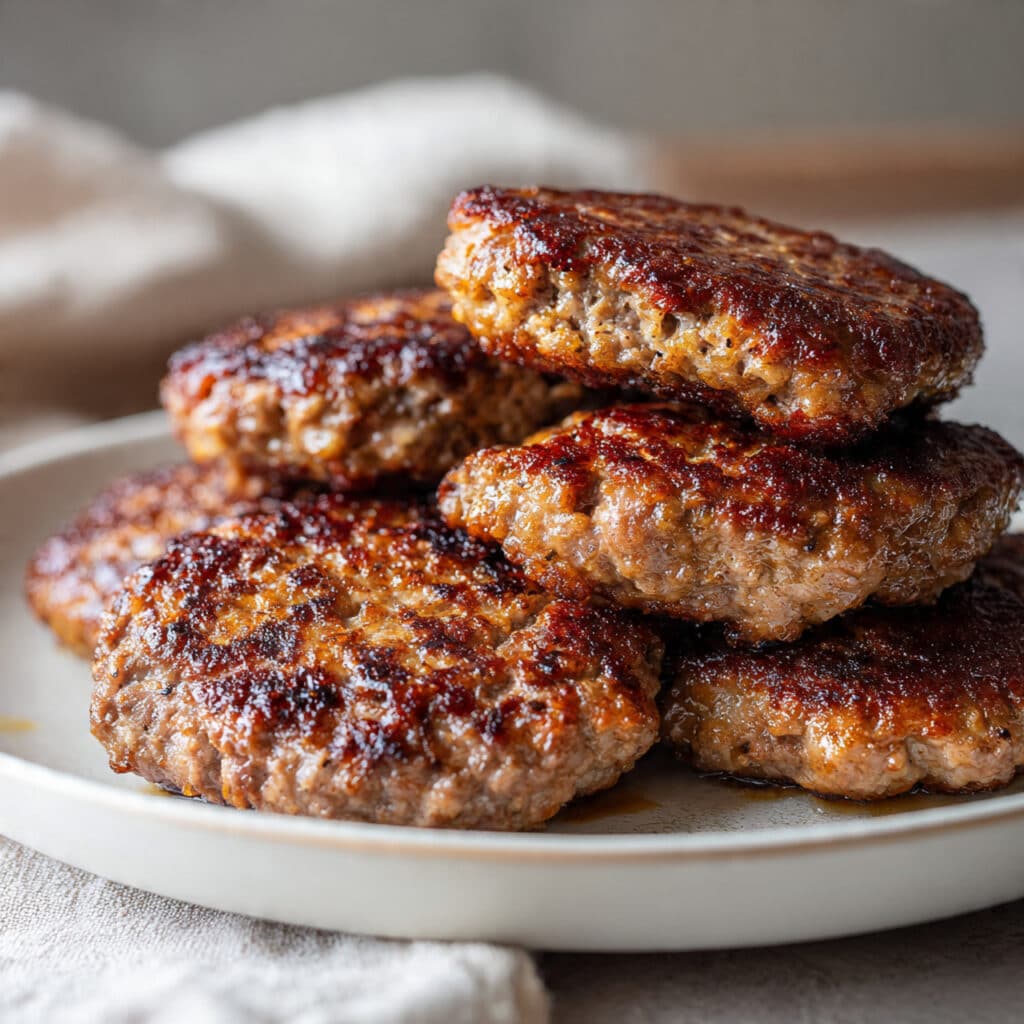
Place the patties on the hot skillet or grill. Cook for 4–5 minutes on the first side without pressing down (that squeezes out all the juices!). Flip once and cook for another 4–5 minutes for medium doneness, or until they reach your preferred level of doneness. For cheeseburgers, add a slice of cheese during the last minute of cooking and cover with a lid to melt.
Step 6: Rest Before Serving
Remove the patties from heat and let them rest for 2–3 minutes before serving. This allows the juices to redistribute throughout the meat instead of running all over your plate.
You Must Know
The most important thing is to avoid overworking your meat when mixing—handle it gently like you’re shaping cookie dough, not kneading bread. Overworked ground beef creates tight, tough burgers that turn out dry and dense. Also, resist the urge to press down on your patties while they’re cooking. I know it’s tempting, but every time you smash them with the spatula, you’re literally squeezing out all that delicious juice and flavor onto the pan instead of keeping it where it belongs.
Personal Secret: I always keep a small bowl of cold water nearby and dip my hands in it before shaping each patty. This keeps the meat from sticking to your fingers and makes shaping so much easier. Plus, those slightly damp hands add just a tiny bit more moisture to the outside of the patty, which helps create an even better crust when it hits the heat.
Pro Tips & Cooking Hacks
- Use a kitchen scale – Weighing your portions ensures evenly-sized patties that cook at the same rate
- Don’t skip the dimple – That thumb indent in the center is the difference between flat burgers and puffy meatballs
- Toast your buns – Butter them lightly and toast cut-side down for extra flavor and to prevent sogginess
- Let meat come to room temp – Take patties out of the fridge 15 minutes before cooking for more even cooking
- Add an ice cube trick – Some cooks place a small ice cube in the center dimple before grilling for extra-juicy results
- Avoid the frozen meat mistake – Always thaw ground beef completely in the fridge before making patties
- Season generously – Burgers need more salt than you think—don’t be shy!
Flavor Variations & Suggestions
You can make these burgers your own in so many delicious ways. For a smoky barbecue twist, add a tablespoon of your favorite BBQ sauce to the meat mixture and top with crispy onion strings. If you love a steakhouse-style burger, mix in some crumbled blue cheese and caramelized onions.
Mexican-inspired burgers are wonderful with cumin, chili powder, and pepper jack cheese, topped with guacamole and salsa. For a classic diner burger, keep the seasonings simple and pile on American cheese, pickles, lettuce, tomato, and special sauce.
You could even go Mediterranean with feta cheese mixed in, topped with tzatziki and fresh cucumber. The basic patty recipe is your canvas—paint it however your family likes it best!
Make-Ahead Options
These burger patties are perfect for making ahead, which is a lifesaver on busy weeks. You can shape the patties and refrigerate them for up to 24 hours before cooking—just layer them between pieces of parchment paper on a plate and cover tightly with plastic wrap.
For longer storage, freeze the shaped patties by placing them on a parchment-lined baking sheet until solid (about 2 hours), then transfer to a freezer bag with parchment paper between each patty.
They’ll keep for up to 3 months in the freezer. When you’re ready to cook frozen patties, you can grill them straight from frozen (just add a few extra minutes to the cooking time), or thaw them overnight in the refrigerator for best results. I like to make a double batch and freeze half so I always have homemade burgers ready to go.
What to Serve With Juicy Burger Patties
These burgers are stars on their own, but the right sides make the meal complete. Classic crispy french fries or sweet potato fries are always a hit, and so are homemade onion rings if you’re feeling ambitious.
A simple creamy coleslaw adds crunch and freshness that cuts through the richness of the burger.
Potato salad or macaroni salad bring that picnic feel to your plate, while corn on the cob (grilled or boiled) is perfect during summer months. For something lighter, a crisp garden salad or sliced watermelon makes a refreshing contrast.
And don’t forget the pickles—both dill spears and bread-and-butter chips have their loyal fans. For drinks, ice-cold lemonade, sweet tea, or root beer floats complete the classic burger experience.
Allergy Information
These burger patties contain Worcestershire sauce, which typically includes anchovies, so they’re not suitable for those with fish allergies or vegetarian diets. If that’s a concern, you can substitute with soy sauce or coconut aminos for a similar savory depth.
The recipe is naturally gluten-free if you use a gluten-free Worcestershire sauce (some brands contain malt vinegar), and serve the burgers on gluten-free buns or lettuce wraps.
For dairy-free diets, simply skip the cheese or use your favorite dairy-free cheese alternative. There are no eggs or nuts in this recipe. If you’re cooking for someone with soy allergies, check your Worcestershire sauce label carefully, as many brands contain soy.
Storage & Reheating
Store cooked burger patties in an airtight container in the refrigerator for up to 3 days. To reheat, warm them gently in a covered skillet over medium-low heat with a tablespoon of water or beef broth to add moisture back in—this takes about 5 minutes and keeps them from drying out.
You can also reheat in the microwave for 30–45 seconds, though they won’t be quite as juicy. Raw, unshaped ground beef mixture should be cooked within 1–2 days of mixing. If you have leftover cooked burgers, they make fantastic chopped burger salads or burger bowls the next day!
FAQ
Can I use ground turkey or chicken instead of beef?
Yes, but the results will be different! Ground turkey and chicken are much leaner, so your burgers won’t be as juicy. Add an extra tablespoon of olive oil to the mixture and consider mixing in some finely chopped mushrooms for moisture and flavor. Cook to an internal temperature of 165°F for poultry.
Why do my burgers fall apart when I flip them?
This usually happens when the meat mixture is too lean, not chilled before cooking, or handled too roughly when shaping. Make sure you’re using 80/20 ground beef, chill the patties for at least 15 minutes before cooking, and only flip once during cooking. Also, let them cook undisturbed until a good crust forms—that crust holds everything together.
How do I know when my burgers are done?
The safest way is to use an instant-read thermometer inserted into the side of the patty. For medium-rare, aim for 130–135°F; medium is 140–145°F; and well-done is 160°F. If you don’t have a thermometer, a medium burger will feel slightly springy when pressed and the juices will run clear with just a hint of pink.
Can I make sliders with this recipe?
Absolutely! Just divide the mixture into 12 smaller portions instead of 6, shape them into smaller patties, and reduce the cooking time to about 3 minutes per side. They’re perfect for parties and game day gatherings.
My burgers turned out dry – what did I do wrong?
The most common culprits are using ground beef that’s too lean (like 90/10 or 93/7), overcooking, or pressing down on the patties while cooking. Stick with 80/20 beef, don’t cook past medium unless you prefer well-done, and keep that spatula away except for the single flip!
💬 Tried this recipe? Leave a comment and rating below! I love hearing how your burgers turned out and what toppings your family piled on.