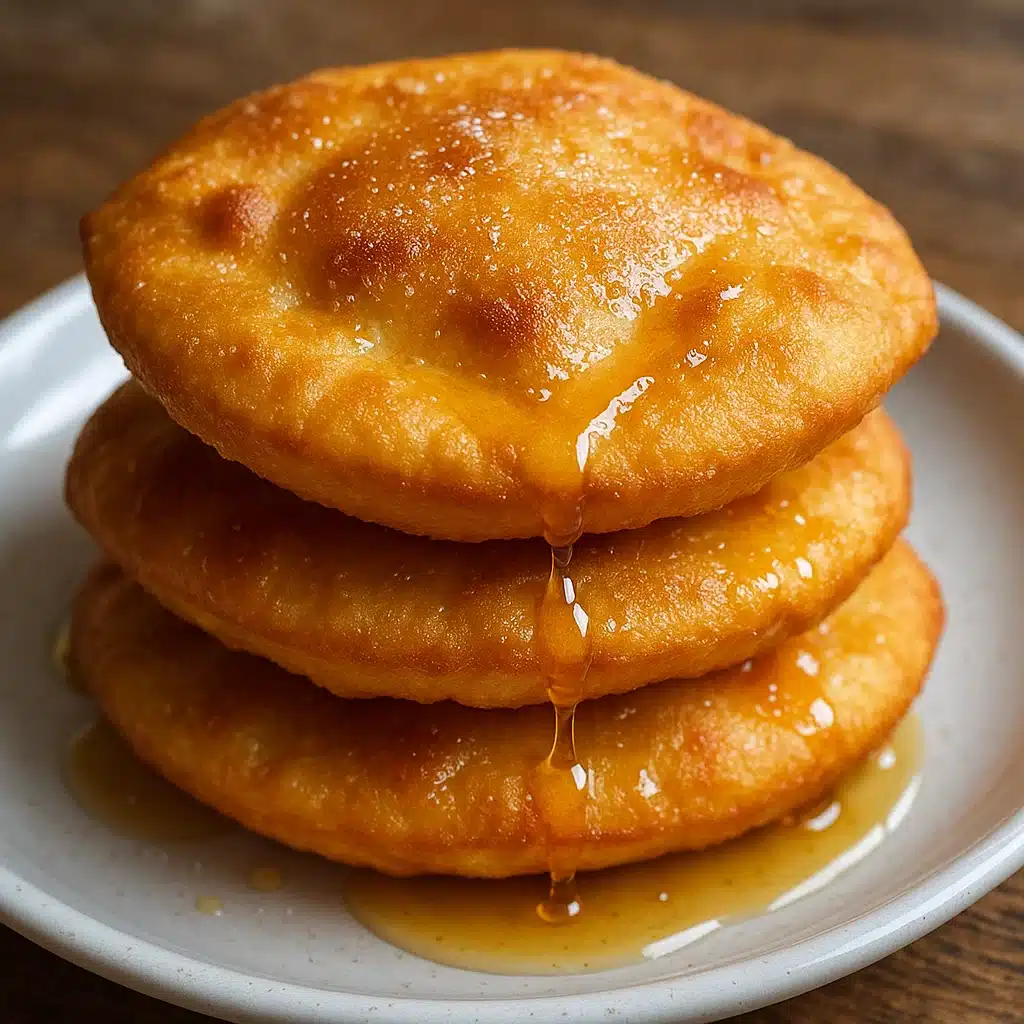
Sopaipillas are golden, fluffy pillows of fried dough with a lightly crispy exterior and soft, airy inside. They’re perfect dusted with powdered sugar and drizzled with honey for a sweet, comforting treat. Quick to make and irresistibly delicious, they’re the kind of dessert that can save any last-minute dinner or book club moment.
Love More Desserts Recipes? Try My Puff Pastry Apple Turnovers or this Apple Puff Pastry Ring next.
Why You’ll Love This Recipe
Sopaipillas are golden, crispy on the outside, and tender on the inside—perfect for drizzling with honey or sprinkling with cinnamon sugar. They’re incredibly simple to make with everyday ingredients, yet each bite feels indulgent and special. Loved by kids, family, and friends alike, they’re the kind of treat that disappears fast and makes everyone ask for seconds.
Print
Crispy Sopaipillas
- Total Time: 30 minutes
- Yield: 9 individual pieces
Description
Homemade sopaipillas with this easy recipe! These fluffy, golden pillows are crispy outside, tender inside, and perfect with honey or cinnamon sugar. Ready in just 30 minutes!
Ingredients
For the Magic Dough:
- 1 cup all-purpose flour (I use whatever’s cheapest at Kroger)
- 1½ teaspoons baking powder (check the date—learned this the hard way)
- ½ teaspoon salt (table salt, kosher salt, whatever you’ve got)
- 1 tablespoon vegetable shortening (Carmen swears by Crisco, I’ve used store brands)
- 1/3 cup + 1 tablespoon warm tap water (not hot, just comfortable to touch)
For the Frying Adventure:
- Enough oil for about two inches deep (vegetable or canola—I buy the big jug at Costco)
For the Happy Ending:
- Honey and powdered sugar (classic combo that never gets old)
- OR cinnamon sugar (mix 1/4 cup sugar with 2 teaspoons cinnamon)
- OR get creative with jam, chocolate syrup, whatever makes you smile
Instructions
Mix flour, baking powder, and salt in your bowl first. Add the shortening and attack it with two forks until it looks like breadcrumbs mixed with small peas. Don’t overthink this part—some texture is good.
Pour in about half the water and stir with a fork. Add the rest gradually until everything sticks together into a soft dough. Not sticky, not dry, just soft. Knead it right in the bowl for maybe three minutes until it feels smooth. First time I made these, I didn’t knead enough and the dough kept tearing when I rolled it.
Cover the bowl with a damp towel and set a timer for twenty minutes. I cannot stress this enough—DO NOT RUSH THIS. First batch I ever made, I got impatient after ten minutes and tried to roll it out. The dough fought me like it was alive, snapping back every time I tried to flatten it.
Use this time to clean up your mess, get your honey ready, maybe start heating oil. Carmen always says this is when she mentally prepares for the exciting part.
Put about two inches of oil in your heaviest pan and heat on medium. This is where patience saves you money—rushing with high heat just burns oil and ruins everything. I learned this by smoking out my kitchen and having to start over completely.
Test with a tiny ball of dough. Should sizzle immediately and pop up to float. If it just sits there sadly, keep waiting. If it turns brown instantly, your oil’s too hot—take it off heat for five minutes.
Flour your counter and roll the dough into a rough square about as thick as a tortilla. Doesn’t have to win any beauty contests—rustic is traditional. Cut into nine pieces with a knife or pizza cutter. I just eyeball three cuts each direction.
Pro tip I wish someone had told me: don’t roll too thin. Need that thickness for proper puffing. Made paper-thin ones once that just sat in the oil like sad crackers.
Drop one square in the oil using tongs. Watch it sink for maybe half a second, then POP—it floats back up. Here’s Carmen’s secret that changed my life: immediately start spooning hot oil over the top of it while it cooks.
Keep spooning that oil over and over. This is what makes them balloon up like crazy instead of staying flat. Cook about thirty seconds, flip, spoon oil on the other side for another thirty seconds. They should be golden brown and sound hollow when you tap them.
Put each one on paper towels to drain. Serve immediately while they’re hot and puffy. Dust with powdered sugar or roll in cinnamon sugar while they’re still hot enough for it to stick.
My kids have learned to wait exactly ninety seconds for them to cool enough to handle. The anticipation kills them, but they’ve been burned enough times to respect the process.
Notes
Two at a Time Max: Tried doing four once to speed things up. Oil temperature dropped and they all came out greasy and flat. Patience pays off.
Watch the Edges: They’re ready to flip when the edges look set and golden, usually around thirty seconds but varies with oil temp.
Recovery from Mistakes: If oil starts smoking, pull it off heat immediately and wait five minutes. Better to pause than ruin everything.
The Sound Test: Properly done sopaipillas sound hollow when tapped with tongs. Dense sound means they need more time.
Drainage Technique: Prop them against each other at angles instead of laying flat. Better air circulation prevents soggy bottoms.
- Prep Time: 10 minutes
- Cook Time: 15-20 minutes
- Category: Dessert
- Method: Deep Frying
- Cuisine: Mexican
Ingredient List
For the Magic Dough:
- 1 cup all-purpose flour (I use whatever’s cheapest at Kroger)
- 1½ teaspoons baking powder (check the date—learned this the hard way)
- ½ teaspoon salt (table salt, kosher salt, whatever you’ve got)
- 1 tablespoon vegetable shortening (Carmen swears by Crisco, I’ve used store brands)
- 1/3 cup + 1 tablespoon warm tap water (not hot, just comfortable to touch)
For the Frying Adventure:
- Enough oil for about two inches deep (vegetable or canola—I buy the big jug at Costco)
For the Happy Ending:
- Honey and powdered sugar (classic combo that never gets old)
- OR cinnamon sugar (mix 1/4 cup sugar with 2 teaspoons cinnamon)
- OR get creative with jam, chocolate syrup, whatever makes you smile
Substitutions That Actually Work:
- No shortening? Tried butter once when I was out—worked fine but tasted different, kind of richer. Carmen’s cousin Rosa uses lard when she can find it.
- Gluten issues? My neighbor tried King Arthur gluten-free flour and said they came out okay, just not as puffy. Haven’t experimented much with this myself.
- Out of baking powder? Don’t even try. Made this mistake once and got flat pancake things that were basically inedible.
Why These Ingredients
Okay, so Carmen explained this to me one afternoon while we were making a triple batch for her daughter’s graduation party. The flour creates the structure—not too much protein like bread flour, not too little like cake flour. All-purpose is the goldilocks zone.
Baking powder is where the magic happens. When those little squares hit the hot oil, the baking powder goes crazy creating steam bubbles, which is what makes them balloon up instead of just sitting there like boring fried dough. Salt doesn’t just add flavor—it actually helps hold everything together when things get violent in the oil.
Shortening beats butter here because it doesn’t burn. I learned this by ruining a batch with butter that turned brown and bitter. Water needs to be warm because cold water makes the dough tough and hot water starts cooking the flour before you want it to.
Essential Tools and Equipment
Stuff You Absolutely Need:
- Big mixing bowl (learned this when my small one overflowed everywhere)
- Two forks or pastry cutter (for cutting in the shortening properly)
- Rolling pin (used a wine bottle camping once—worked perfectly)
- Sharp knife (pizza cutter is even better)
- Heavy pan for frying (my cheap thin one heated unevenly and burned half a batch)
- Long tongs (burned my fingers using short ones like an idiot)
- Paper towels for draining
- Clean towel for covering dough
How To Make Sopaipillas
Step 1: Make the Foundation Dough
Mix flour, baking powder, and salt in your bowl first. Add the shortening and attack it with two forks until it looks like breadcrumbs mixed with small peas. Don’t overthink this part—some texture is good.
Pour in about half the water and stir with a fork. Add the rest gradually until everything sticks together into a soft dough. Not sticky, not dry, just soft. Knead it right in the bowl for maybe three minutes until it feels smooth. First time I made these, I didn’t knead enough and the dough kept tearing when I rolled it.
Step 2: The Waiting Game
Cover the bowl with a damp towel and set a timer for twenty minutes. I cannot stress this enough—DO NOT RUSH THIS. First batch I ever made, I got impatient after ten minutes and tried to roll it out. The dough fought me like it was alive, snapping back every time I tried to flatten it.
Use this time to clean up your mess, get your honey ready, maybe start heating oil. Carmen always says this is when she mentally prepares for the exciting part.
Step 3: Oil Temperature Drama
Put about two inches of oil in your heaviest pan and heat on medium. This is where patience saves you money—rushing with high heat just burns oil and ruins everything. I learned this by smoking out my kitchen and having to start over completely.
Test with a tiny ball of dough. Should sizzle immediately and pop up to float. If it just sits there sadly, keep waiting. If it turns brown instantly, your oil’s too hot—take it off heat for five minutes.
Step 4: Roll and Cut Like You Mean It
Flour your counter and roll the dough into a rough square about as thick as a tortilla. Doesn’t have to win any beauty contests—rustic is traditional. Cut into nine pieces with a knife or pizza cutter. I just eyeball three cuts each direction.
Pro tip I wish someone had told me: don’t roll too thin. Need that thickness for proper puffing. Made paper-thin ones once that just sat in the oil like sad crackers.
Step 5: The Magic Show Begins
Drop one square in the oil using tongs. Watch it sink for maybe half a second, then POP—it floats back up. Here’s Carmen’s secret that changed my life: immediately start spooning hot oil over the top of it while it cooks.
Keep spooning that oil over and over. This is what makes them balloon up like crazy instead of staying flat. Cook about thirty seconds, flip, spoon oil on the other side for another thirty seconds. They should be golden brown and sound hollow when you tap them.
Step 6: Drain and Devour
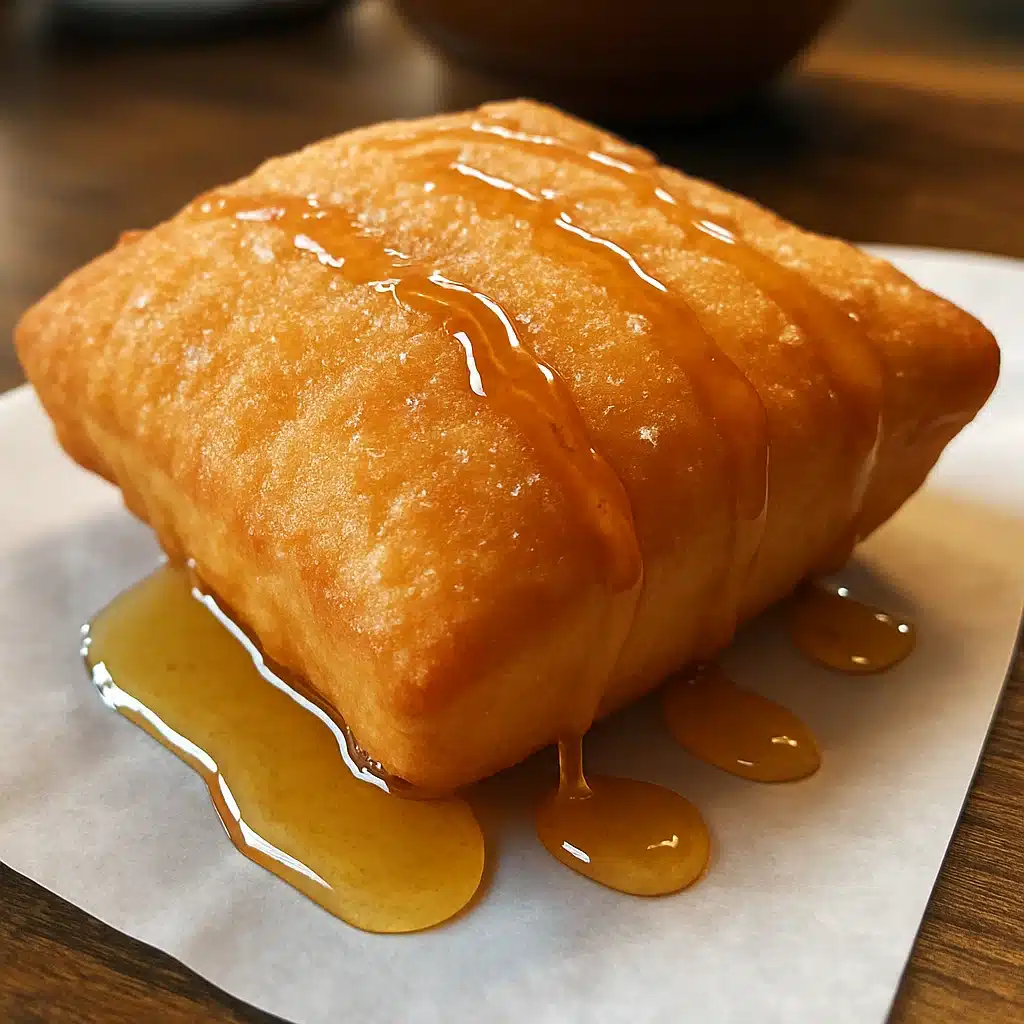
Put each one on paper towels to drain. Serve immediately while they’re hot and puffy. Dust with powdered sugar or roll in cinnamon sugar while they’re still hot enough for it to stick.
My kids have learned to wait exactly ninety seconds for them to cool enough to handle. The anticipation kills them, but they’ve been burned enough times to respect the process.
You Must Know
Never Skip the Rest Time: Tried this exactly once. The dough was impossible to work with and my sopaipillas came out flat and dense. Those twenty minutes let everything relax and hydrate properly.
The Spooning Technique Changes Everything: First batch I made, I just dropped them in oil and ignored them like you would with donuts. They stayed flat as pancakes because I didn’t understand this crucial step. The constant oil basting creates steam that inflates them from inside.
Oil Temperature Is Everything: Too hot and they burn outside while staying raw inside. Too cool and they absorb oil like sponges and get greasy. That little dough test never lies—trust it over any timer.
Start Your Oil Early: Begin heating oil about five minutes before your dough is done resting. Nothing worse than perfectly rested dough waiting around for oil to heat up.
Pro Tips & Cooking Hacks
- Two at a Time Max: Tried doing four once to speed things up. Oil temperature dropped and they all came out greasy and flat. Patience pays off.
- Watch the Edges: They’re ready to flip when the edges look set and golden, usually around thirty seconds but varies with oil temp.
- Recovery from Mistakes: If oil starts smoking, pull it off heat immediately and wait five minutes. Better to pause than ruin everything.
- The Sound Test: Properly done sopaipillas sound hollow when tapped with tongs. Dense sound means they need more time.
- Drainage Technique: Prop them against each other at angles instead of laying flat. Better air circulation prevents soggy bottoms.
Flavor Variations & Suggestions
Sweet Options I’ve Tested:
- Cinnamon Sugar Supreme: Quarter-cup sugar mixed with two teaspoons cinnamon. Roll them while hot so it sticks properly.
- Honey with Heat: Carmen’s sister adds crushed red pepper to honey. Sounds insane but it’s incredible—start with just a pinch.
- Fancy Dessert Mode: Split cooled ones and stuff with strawberries and whipped cream. Looks like you spent hours making it.
- Mexican Hot Chocolate Vibe: Dust with cocoa powder, cinnamon, and tiny bit of cayenne. Adults go crazy for this combination.
Make-Ahead Options
Dough Prep Options: Make dough up to twenty-four hours ahead and keep covered in the fridge. Actually improves with time—flavors meld and texture gets even better. Just let it warm up for thirty minutes before rolling. Carmen’s family always made big batches Sunday night for the week.
Freezing Raw Dough: Wraps great and freezes for up to three months. Made double batches all summer and froze half for busy school mornings. Thaw in fridge overnight, then room temp for thirty minutes before using.
Dealing with Cooked Leftovers: Honestly, these are so much better fresh that leftovers rarely happen. But life’s messy and sometimes you have extras. Freeze up to two months between parchment paper. Reheat in 300°F oven for about eight minutes, turning once.
Party Planning: For big gatherings, make dough night before. Set up frying station an hour before guests arrive. Fresh ones are so impressive people literally gather in your kitchen watching the magic happen.
Recipe Notes & Baker’s Tips
The Spooning Thing Is Non-Negotiable: Cannot emphasize this enough. That constant basting with hot oil is what separates real sopaipillas from flat fried dough. Creates the steam pockets that make them puff up like balloons.
Temperature Troubleshooting: Oil smoking means too hot—pull off heat immediately. Did this at a dinner party once and had to start over with new oil. Patience beats panic every time.
Dough Consistency Matters: Should feel smooth after kneading but not sticky. Too wet and it absorbs oil. Too dry and it cracks when rolled. Add water gradually—can’t take it back once it’s in.
Batch Consistency: Later pieces sometimes don’t puff as well because oil temperature drops slightly. Keep monitoring and adjust heat as needed throughout the process.
Serving Suggestions
Weekend Breakfast Magic: These have completely transformed our Saturday mornings. I start the dough while coffee brews, and the smell draws everyone downstairs without nagging. Serve with fresh fruit, and suddenly I’m the hero parent who makes special weekend breakfasts.
Dinner Party Show-Stopper: Set up a sopaipilla bar for dessert. Multiple toppings, warm honey, different sugars, fresh berries. Watching them puff up becomes entertainment, and everyone wants to help with the spooning technique.
Comfort Food Pairings: My husband discovered these are incredible with spicy food. The neutral flavor balances heat perfectly. We serve them with green chile stew, posole, even chili. They work like bread but way more special.
Holiday Traditions: Made them Christmas morning last year with spiced honey and powdered sugar. Kids thought it was the most magical breakfast ever. Planning to make them Easter morning with fresh berries.
How to Store Your
Room Temperature Truth: Best eaten within two hours while they still have that perfect crispy-tender contrast. After that, they’re still good but not magical. Store in container up to one day if absolutely necessary.
Refrigerator Is Death: Never put these in the fridge. Cold kills the texture and turns them chewy. Made this mistake exactly once and learned permanently.
Freezing Strategy: Cool completely first, then layer between parchment in airtight container. Up to two months but never quite the same as fresh. Reheat in 300°F oven for six to eight minutes.
Reheating That Doesn’t Suck: Oven is your only friend here. 300°F for few minutes brings back some crispiness. Microwave turns them into rubber—don’t even try. Toaster makes them too hard.
Allergy Information
What’s Actually In Here: Contains gluten from flour. That’s it for major allergens—no eggs, no dairy if using vegetable shortening, no nuts, no soy unless your shortening contains it.
Gluten-Free Experiments: My sister with celiac has tried various blends. Bob’s Red Mill 1:1 worked best but texture is denser and they don’t puff as dramatically. She adds extra quarter-teaspoon baking powder to help with lift.
Already Vegan: Made with vegetable shortening, these are naturally vegan. Serve them to plant-based friends all the time without modifications.
Cross-Contamination Notes: If dealing with severe allergies, check shortening labels. Some processed in facilities with other allergens. Always read everything if allergies are serious concern.
Questions I Get Asked A Lot
Mine came out flat—what happened?
Usually three things: oil not hot enough, forgot to spoon oil on top, or rolled dough too thin. That spooning technique is absolutely crucial. Also check that your baking powder isn’t expired.
Why do some puff better than others?
Usually slight thickness variations or oil temperature changes. Try to keep rolling consistent and monitor heat throughout process.
Can I stuff before frying?
No way—interferes with puffing and could be dangerous. Fry plain, then cut small slit and stuff while warm.
Dough keeps tearing when rolling?
Didn’t rest long enough or wasn’t kneaded properly initially. Cover again and wait another fifteen minutes.
💬 Made these puffy miracles yet? I’m obsessed with hearing everyone’s stories!