
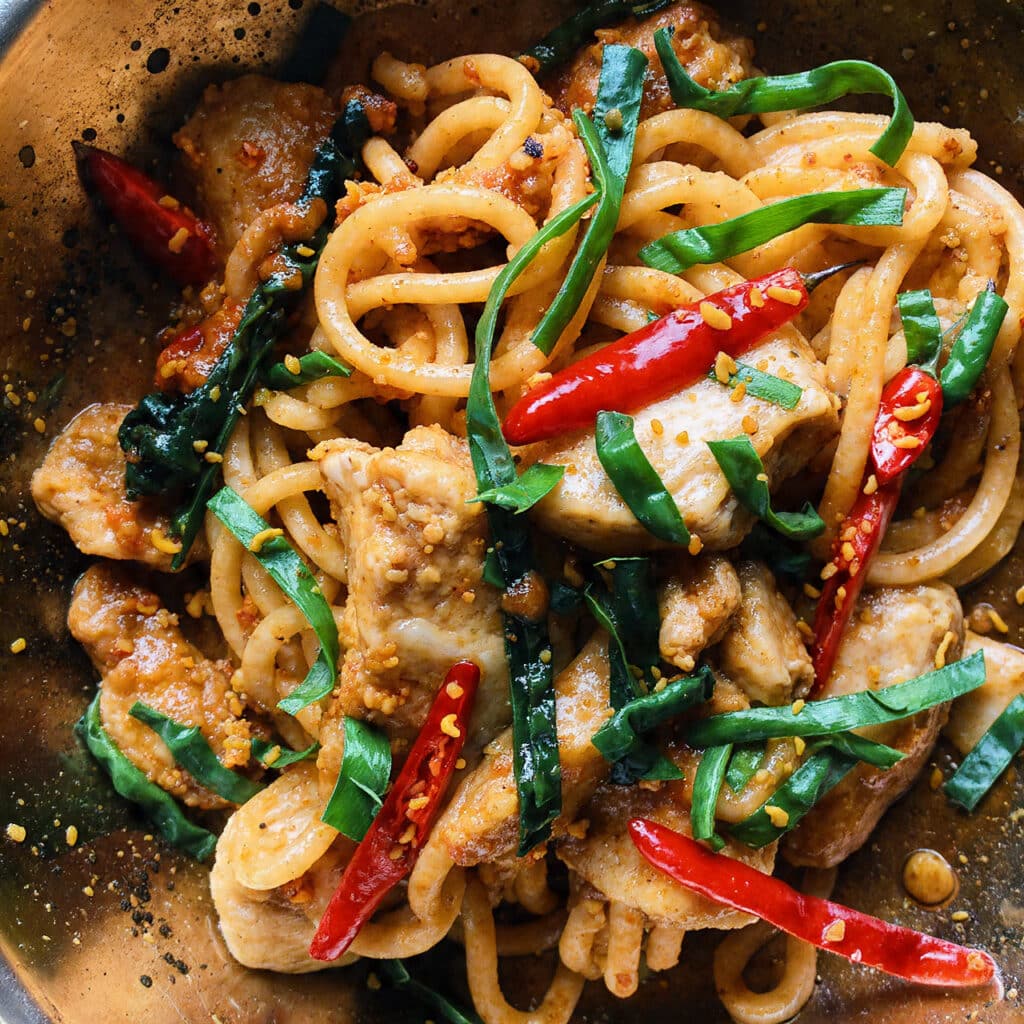
Drunken Noodles (Pad Kee Mao) are bold, smoky, and wonderfully spicy Thai stir-fried noodles loaded with tender chicken, aromatic basil, and a savory-sweet sauce that clings to every chewy strand. This is the kind of dish that wakes up your taste buds and fills your kitchen with the most incredible fragrance!
Why You’ll Love This Recipe
Spicy, savory, and packed with bold flavor, these Drunken Noodles are a Thai-inspired favorite that never disappoints. Wide noodles are tossed with tender protein, crisp vegetables, fresh basil, and a rich, garlicky sauce for the perfect balance of heat and umami. Quick to make and irresistibly satisfying, it’s a vibrant dish that brings restaurant-quality flavor straight to your kitchen.
Print
Drunken Noodles
- Total Time: 15 minutes
- Yield: 2 large portions
Description
Bold and spicy Thai Drunken Noodles (Pad Kee Mao) feature wide rice noodles stir-fried with chicken, Thai chilies, and fresh basil in a savory sauce. Ready in just 15 minutes, this authentic Thai street food favorite delivers restaurant-quality flavor right in your home kitchen.
Ingredients
Noodles & Protein
- 7 oz (200 g) wide rice noodles
- 7 oz (200 g) chicken thighs or breast, sliced into bite-size pieces
Aromatics
- 2 tablespoons neutral cooking oil (vegetable, canola, or grapeseed)
- 3 cloves garlic, minced
- 2 Thai chilies, finely chopped (adjust to taste)
- ½ onion, sliced
Sauce
- 3 tablespoons oyster sauce
- 1½ tablespoons light soy sauce
- 1½ tablespoons dark soy sauce
- 2 teaspoons sugar
- 1 tablespoon water
Finish
- 2 teaspoons fish sauce (optional but recommended)
- 2 green onions, cut into short pieces
- 1 cup Thai basil leaves (regular basil works if needed)
Instructions
Cook or soak the rice noodles according to package directions until just tender. You want them slightly al dente since they’ll cook more in the wok. Drain well and set aside. If they’re sticking together, toss with a tiny bit of oil.
In a small bowl, whisk together the oyster sauce, light soy sauce, dark soy sauce, sugar, and water until the sugar dissolves. Having this ready before you start cooking is crucial — stir-frying moves FAST!
Heat your wok or large skillet over high heat until it’s smoking hot. Add the oil and swirl to coat the entire surface. High heat is the secret to that authentic smoky “wok hei” flavor!
Add the minced garlic and chopped chilies to the hot oil. Stir constantly for about 10 seconds until fragrant and sizzling. Don’t let the garlic burn — it should be golden, not brown.
Toss in the sliced onion and chicken pieces. Stir-fry for about 2 minutes, keeping everything moving constantly, until the chicken is mostly cooked through and lightly browned on the edges. Splash in the fish sauce for an extra layer of seasoning.
Add the drained noodles and pour the prepared sauce over everything. Using tongs or a spatula, toss everything together quickly and vigorously so the noodles are completely coated and the sauce reduces slightly, about 1 minute. The noodles should look glossy and slightly caramelized.
Remove the pan from the heat. Immediately add the green onions and Thai basil leaves. Toss just until the basil wilts — this keeps it bright and aromatic instead of cooked and dull.
Transfer to a serving plate or bowl and enjoy while it’s piping hot, glossy, and incredibly fragrant.
Notes
- Don’t overcook the noodles during the initial soaking or boiling. They should be just tender because they’ll continue cooking in the wok. Overcooked noodles turn mushy and break apart.
- Work in batches if needed. If your wok or pan isn’t large enough, it’s better to make two smaller batches than to overcrowd the pan. Overcrowding lowers the temperature and you’ll end up steaming instead of stir-frying.
- Use the highest heat your stove can produce. This is a stir-fry, not a gentle sauté. High heat creates that characteristic slightly charred, smoky flavor that makes restaurant Thai food so addictive.
- Keep everything moving. Constant stirring and tossing prevents sticking and ensures even cooking. Think of it as an arm workout with delicious results!
- Substitute proteins easily: Swap chicken for shrimp (cook for 1-2 minutes), beef (slice thin against the grain), pork, or tofu. For vegetarian versions, use extra-firm tofu and vegetarian oyster sauce (made from mushrooms).
- Prep Time: 10 minutes
- Cook Time: 5 minutes
- Category: Main Dish
- Method: Stir-Fry
- Cuisine: Thai
Ingredient List
Noodles & Protein
- 7 oz (200 g) wide rice noodles
- 7 oz (200 g) chicken thighs or breast, sliced into bite-size pieces
Aromatics
- 2 tablespoons neutral cooking oil (vegetable, canola, or grapeseed)
- 3 cloves garlic, minced
- 2 Thai chilies, finely chopped (adjust to taste)
- ½ onion, sliced
Sauce
- 3 tablespoons oyster sauce
- 1½ tablespoons light soy sauce
- 1½ tablespoons dark soy sauce
- 2 teaspoons sugar
- 1 tablespoon water
Finish
- 2 teaspoons fish sauce (optional but recommended)
- 2 green onions, cut into short pieces
- 1 cup Thai basil leaves (regular basil works if needed)
Why These Ingredients Work
Wide Rice Noodles are the star here — their flat, chewy texture is perfect for soaking up all that delicious sauce. They’re sturdy enough to handle high-heat stir-frying without falling apart.
Dark Soy Sauce gives these noodles their signature smoky color and slightly sweet, caramelized flavor, while light soy sauce adds the salty backbone.
Oyster Sauce brings umami depth and a subtle sweetness that balances the heat from the chilies.
Thai Basil is what makes this dish truly special — its peppery, anise-like flavor is completely different from Italian basil and adds that authentic Thai restaurant taste.
Thai Chilies pack serious heat! They’re what give Drunken Noodles their fiery kick. You can adjust the amount based on your spice tolerance.
Fish Sauce adds that salty, funky umami depth that’s essential in Thai cooking. Don’t skip it if you can help it!
Essential Tools and Equipment
- Wok or large skillet (at least 12 inches)
- Small mixing bowl
- Whisk
- Sharp knife and cutting board
- Measuring spoons
- Tongs or spatula for tossing
How To Make Drunken Noodles
Step 1: Prepare the Noodles
Cook or soak the rice noodles according to package directions until just tender. You want them slightly al dente since they’ll cook more in the wok. Drain well and set aside. If they’re sticking together, toss with a tiny bit of oil.
Step 2: Mix the Sauce
In a small bowl, whisk together the oyster sauce, light soy sauce, dark soy sauce, sugar, and water until the sugar dissolves. Having this ready before you start cooking is crucial — stir-frying moves FAST!
Step 3: Heat the Pan
Heat your wok or large skillet over high heat until it’s smoking hot. Add the oil and swirl to coat the entire surface. High heat is the secret to that authentic smoky “wok hei” flavor!
Step 4: Cook the Aromatics
Add the minced garlic and chopped chilies to the hot oil. Stir constantly for about 10 seconds until fragrant and sizzling. Don’t let the garlic burn — it should be golden, not brown.
Step 5: Cook the Chicken
Toss in the sliced onion and chicken pieces. Stir-fry for about 2 minutes, keeping everything moving constantly, until the chicken is mostly cooked through and lightly browned on the edges. Splash in the fish sauce for an extra layer of seasoning.
Step 6: Add Noodles and Sauce
Add the drained noodles and pour the prepared sauce over everything. Using tongs or a spatula, toss everything together quickly and vigorously so the noodles are completely coated and the sauce reduces slightly, about 1 minute. The noodles should look glossy and slightly caramelized.
Step 7: Finish with Basil
Remove the pan from the heat. Immediately add the green onions and Thai basil leaves. Toss just until the basil wilts — this keeps it bright and aromatic instead of cooked and dull.
Step 8: Serve Immediately
Transfer to a serving plate or bowl and enjoy while it’s piping hot, glossy, and incredibly fragrant.
You Must Know
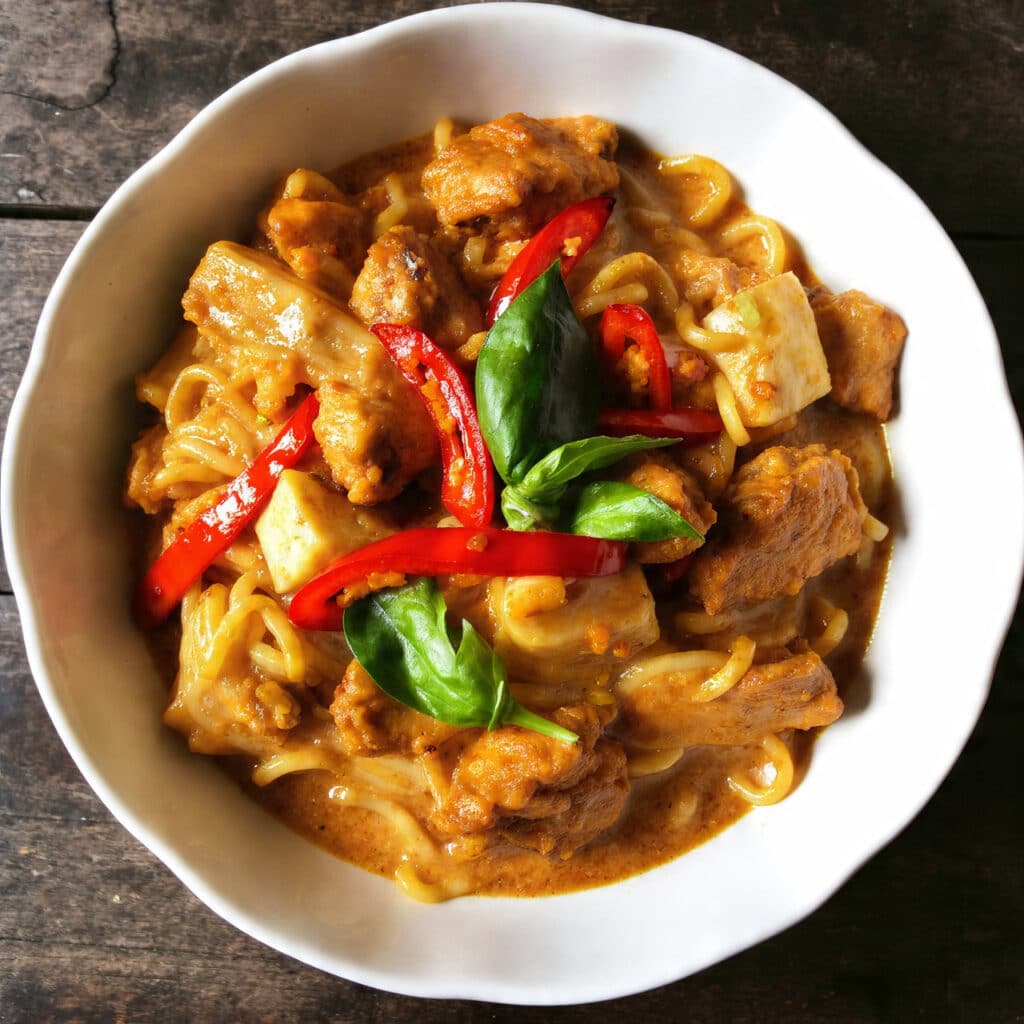
Mise en place is EVERYTHING. Seriously, have every single ingredient prepped, measured, and within arm’s reach before you turn on the heat. Once you start cooking, there’s no time to chop or measure anything. This dish comes together in literally 5 minutes of active cooking time, so being organized is the difference between success and chaos!
Personal Secret: I always use chicken thighs instead of breast meat. They stay juicier and more tender during the high-heat stir-frying, and they have so much more flavor.
Pro Tips & Cooking Hacks
- Don’t overcook the noodles during the initial soaking or boiling. They should be just tender because they’ll continue cooking in the wok. Overcooked noodles turn mushy and break apart.
- Work in batches if needed. If your wok or pan isn’t large enough, it’s better to make two smaller batches than to overcrowd the pan. Overcrowding lowers the temperature and you’ll end up steaming instead of stir-frying.
- Use the highest heat your stove can produce. This is a stir-fry, not a gentle sauté. High heat creates that characteristic slightly charred, smoky flavor that makes restaurant Thai food so addictive.
- Keep everything moving. Constant stirring and tossing prevents sticking and ensures even cooking. Think of it as an arm workout with delicious results!
- Substitute proteins easily: Swap chicken for shrimp (cook for 1-2 minutes), beef (slice thin against the grain), pork, or tofu. For vegetarian versions, use extra-firm tofu and vegetarian oyster sauce (made from mushrooms).
Flavor Variations & Suggestions
Seafood Lover’s Version: Replace chicken with a mix of shrimp, squid, and mussels for an incredible seafood Pad Kee Mao. Add the seafood in the last 2-3 minutes since it cooks quickly.
Extra Veggie Boost: Toss in bell peppers, snap peas, baby corn, or Chinese broccoli along with the onions. Just remember that vegetables add moisture, so you might need slightly less water in the sauce.
Milder Version: Remove the seeds from the Thai chilies before chopping, or substitute with 1 teaspoon of red pepper flakes for more controlled heat. You can also serve extra chilies on the side so everyone can adjust their own spice level.
Holy Basil Upgrade: If you can find holy basil (krapow) at an Asian market, use it instead of Thai basil for an even more authentic flavor. It has a spicier, more complex taste.
Add an Egg: Push the noodles to the side of the wok, crack an egg into the empty space, scramble it quickly, then mix it into the noodles. It adds richness and makes the dish more filling.
Make-Ahead Options
Honestly, Drunken Noodles are best enjoyed fresh from the wok while they’re hot and glossy. But I get it — life gets busy!
Prep-Ahead Strategy: You can prep all your ingredients up to 4 hours in advance. Slice the chicken, mince the garlic and chilies, prepare the sauce, and store everything separately in the fridge. When you’re ready to cook, it’ll only take 5 minutes from start to finish.
Cooked Noodles: If you’re really in a pinch, you can soak the rice noodles up to 2 hours ahead. Toss them with a bit of oil to prevent sticking and keep them covered at room temperature.
Not Recommended for Freezing: The texture of rice noodles doesn’t hold up well to freezing and reheating. They tend to become mushy and lose that wonderful chewy texture.
Recipe Notes & Baker’s Tips
- Can’t find Thai basil? Regular Italian basil will work in a pinch, though the flavor will be sweeter and less peppery. Some people also use a combination of regular basil and fresh mint to mimic the complexity of Thai basil.
- Dark soy sauce vs. regular soy sauce: Dark soy sauce is thicker, slightly sweet, and less salty than regular soy sauce. It’s what gives these noodles their beautiful dark color. You can find it at any Asian grocery store. If you can’t find it, use 1 tablespoon regular soy sauce plus ½ tablespoon molasses.
- Rice noodles sticking together? This happens! If your noodles clump up after draining, run them briefly under warm water and gently separate them with your fingers before adding to the wok.
- Why are they called “Drunken” Noodles? Despite the name, there’s no alcohol in this dish! The name supposedly comes from the idea that these spicy noodles are perfect for eating after a night out, or that they’re so good they’ll make you feel intoxicated with flavor. Either way, they’re definitely addictive!
Serving Suggestions
Drunken Noodles are a complete meal on their own, but here are some ways to round out your Thai feast:
- Serve with a side of Thai cucumber salad or fresh cucumber slices to cool down the heat
- Add a fried egg on top with a runny yolk for extra richness
- Pair with Thai iced tea to balance the spiciness
- Serve alongside spring rolls or chicken satay for a full Thai restaurant experience
- Garnish with extra fresh basil leaves, lime wedges, and sliced Thai chilies for those who want more heat
How to Store Your Drunken Noodles
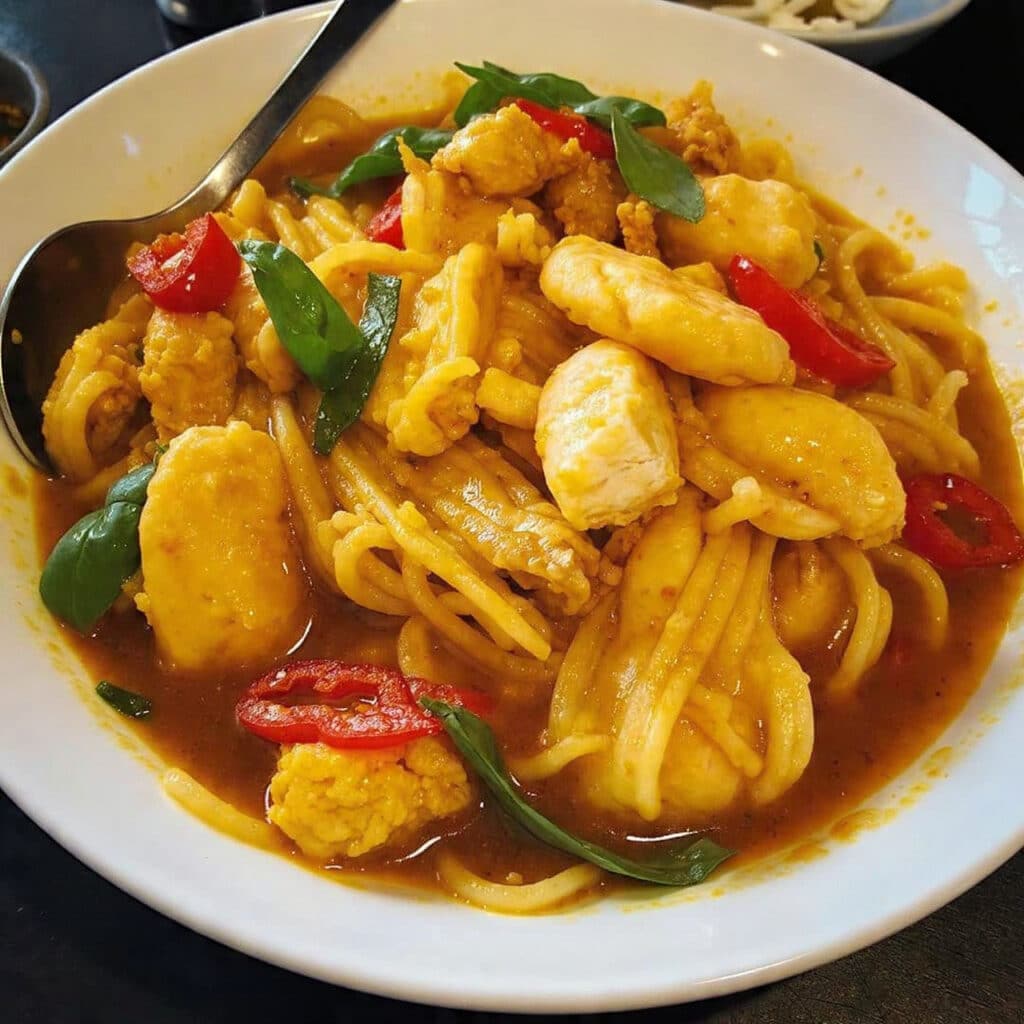
Room Temperature: Don’t leave these out for more than 2 hours due to the chicken.
Refrigerator: Store leftovers in an airtight container for up to 2 days. The noodles will absorb the sauce and become softer as they sit.
Reheating: For best results, reheat in a wok or skillet over medium-high heat with a splash of water or oil to loosen the noodles. Microwave reheating works but won’t give you that crispy, slightly charred texture. Heat for 1-2 minutes, stirring halfway through.
Freezing: Not recommended. Rice noodles become mushy and lose their texture when frozen and thawed.
Allergy Information
Contains:
- Soy (soy sauce, oyster sauce)
- Fish (fish sauce – though this is optional)
- Shellfish (oyster sauce)
Gluten: Traditional soy sauce contains gluten. Use tamari or gluten-free soy sauce for a gluten-free version. Also check that your oyster sauce is gluten-free.
Vegetarian/Vegan Substitutions:
- Use tofu or extra vegetables instead of chicken
- Replace oyster sauce with vegetarian oyster sauce (mushroom-based)
- Omit fish sauce or use vegan fish sauce alternatives
Questions I Get Asked A Lot
Can I use dried rice noodles instead of fresh?
Absolutely! In fact, dried wide rice noodles (often labeled as “pad thai noodles” or “rice stick noodles”) are what I use most often. Just follow the package soaking instructions — usually 30-40 minutes in warm water until they’re pliable but still firm. Fresh noodles work great too but can be harder to find.
My noodles turned mushy — what did I do wrong?
This usually happens from overcooking the noodles during the initial preparation OR cooking them too long in the wok. Remember, the noodles should be slightly undercooked when you drain them because they’ll continue cooking when you stir-fry. Also, make sure your pan is screaming hot so the noodles sear quickly rather than steaming.
How spicy are these really?
With 2 Thai chilies, these pack a serious punch! Thai chilies are 10-20 times hotter than jalapeños. Start with just 1 chili (or even ½) if you’re heat-sensitive, then work your way up. You can always add more heat, but you can’t take it away! Removing the seeds helps reduce the heat level too.
Can I make this without a wok?
Yes! A large 12-inch skillet works just fine. The key is using high heat and keeping everything moving. A wok’s shape helps with tossing, but a good heavy-bottomed skillet will give you similar results. Cast iron works wonderfully if you have it.
What’s the difference between Drunken Noodles and Pad Thai?
Great question! While both use rice noodles, Pad Thai is sweeter and tangier with tamarind sauce, crushed peanuts, and bean sprouts. Drunken Noodles are savory, spicy, and feature that distinctive Thai basil flavor.
💬 Tried this recipe? Leave a comment and rating below! I’d love to know how spicy you made yours and what proteins you used.