
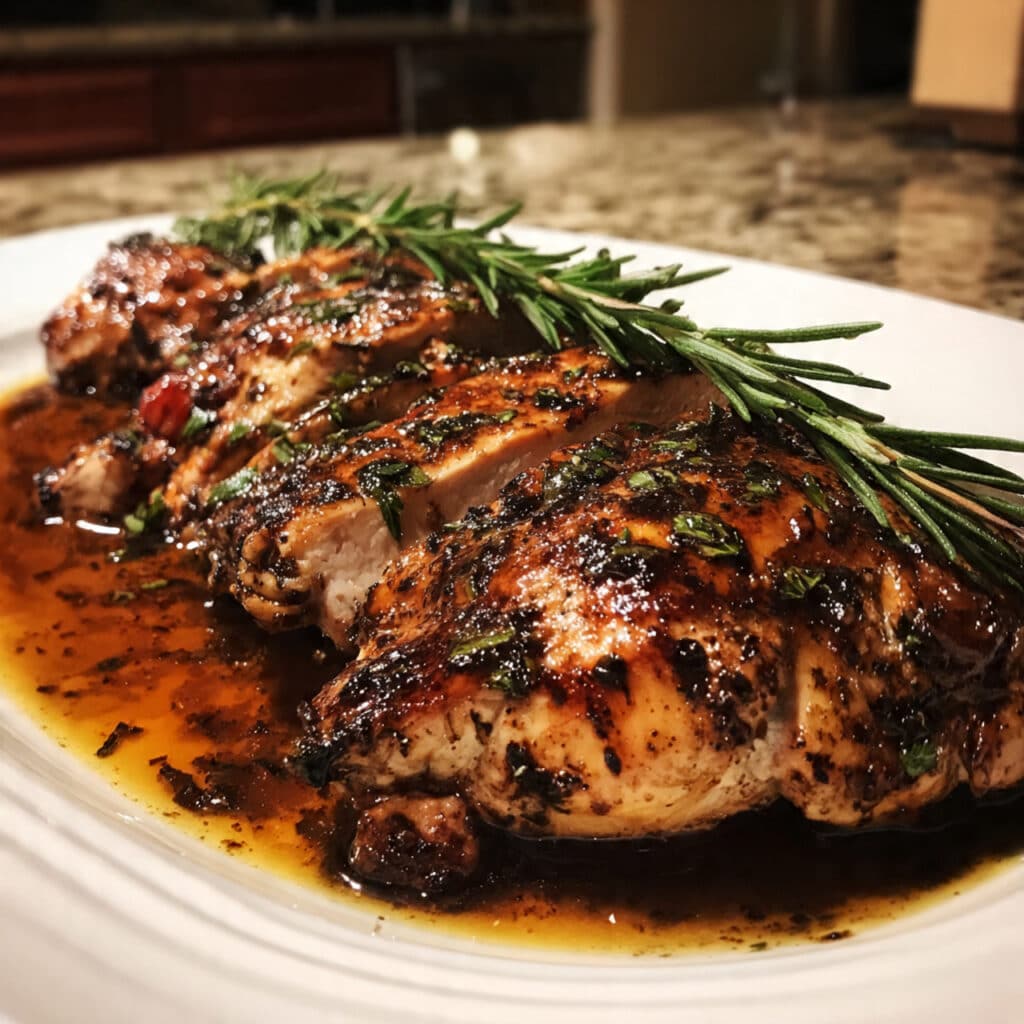
Chicken Marinade is a flavor packed recipe that transforms ordinary chicken breasts into restaurant-quality magic! With just a quick whisk of pantry staples like balsamic vinegar, soy sauce, brown sugar, and aromatic herbs, you’ll have the most tender, juicy chicken that’s bursting with sweet, tangy, and savory notes.
Love More Chicken Recipes? Try My Creamy Tuscan Chicken or this Rosemary Dijon Chicken next.
Why You’ll Love This Recipe
Rich, zesty, and packed with flavor, this Chicken Marinade is the perfect way to elevate any chicken dish. A simple blend of herbs, spices, and tangy ingredients infuses the meat with juicy, savory goodness, making it tender and full of taste. Quick to mix and easy to use, it’s ideal for grilling, baking, or pan-searing, turning everyday chicken into a deliciously flavorful meal every time.
Print
The Best Chicken Marinade
- Total Time: 4 hours 30 minutes
- Yield: 6 chicken breasts
Description
The Best Balsamic Chicken Marinade combines balsamic vinegar, soy sauce, brown sugar, and aromatic herbs to create tender, juicy chicken that’s bursting with flavor. Perfect for grilling, baking, or pan-frying, this easy marinade recipe takes just 5 minutes to prepare and transforms ordinary chicken into a restaurant-quality meal. Great for meal prep and weeknight dinners!
Ingredients
For the Marinade:
- ½ cup extra virgin olive oil
- ½ cup balsamic vinegar (or another vinegar of your choice)
- ¼ cup soy sauce (low-sodium works beautifully)
- ¼ cup Worcestershire sauce
- 2 tablespoons (⅛ cup) fresh lemon juice
- ¾ cup brown sugar (light or dark both work)
- 2 teaspoons dried rosemary
- 2 tablespoons Dijon mustard (or spicy-brown mustard for a kick)
- 1½ teaspoons salt
- 1 teaspoon ground black pepper
- 2 teaspoons garlic powder
For the Chicken:
- About 6 boneless, skinless chicken breasts (approximately 3.5 lbs or 1.6 kg total)
Instructions
In a large mixing bowl, combine the olive oil, balsamic vinegar, soy sauce, Worcestershire sauce, lemon juice, brown sugar, dried rosemary, Dijon mustard, salt, pepper, and garlic powder. Whisk everything together vigorously until the brown sugar is completely dissolved and the marinade is smooth and well combined.
This is important! Scoop out about ½ cup of the freshly made marinade and set it aside in a small bowl or jar. Cover it and pop it in the fridge. This reserved portion hasn’t touched raw chicken, so it’s perfectly safe to use later for basting while cooking or drizzling over your finished chicken as a sauce.
Place your chicken breasts (or whatever cut you’re using) into a large resealable bag or a container with a lid. Pour the remaining marinade over the chicken, making sure to get it all in there. Seal the bag or container, then gently massage or toss everything around so every single piece of chicken is beautifully coated in that gorgeous marinade.
Transfer your bag or container to the refrigerator and let the chicken marinate for at least 30 minutes. But honestly? If you can swing 4–6 hours, that’s the sweet spot for maximum flavor. You can even marinate it up to 24 hours if you’re planning ahead (which I LOVE doing for stress-free dinner prep).
The longer it sits, the more those flavors penetrate the meat and the more tender everything becomes.
When you’re ready to cook, remove the chicken from the marinade and let the excess drip off (don’t worry about patting it completely dry — you want some of that flavor to stick around!).
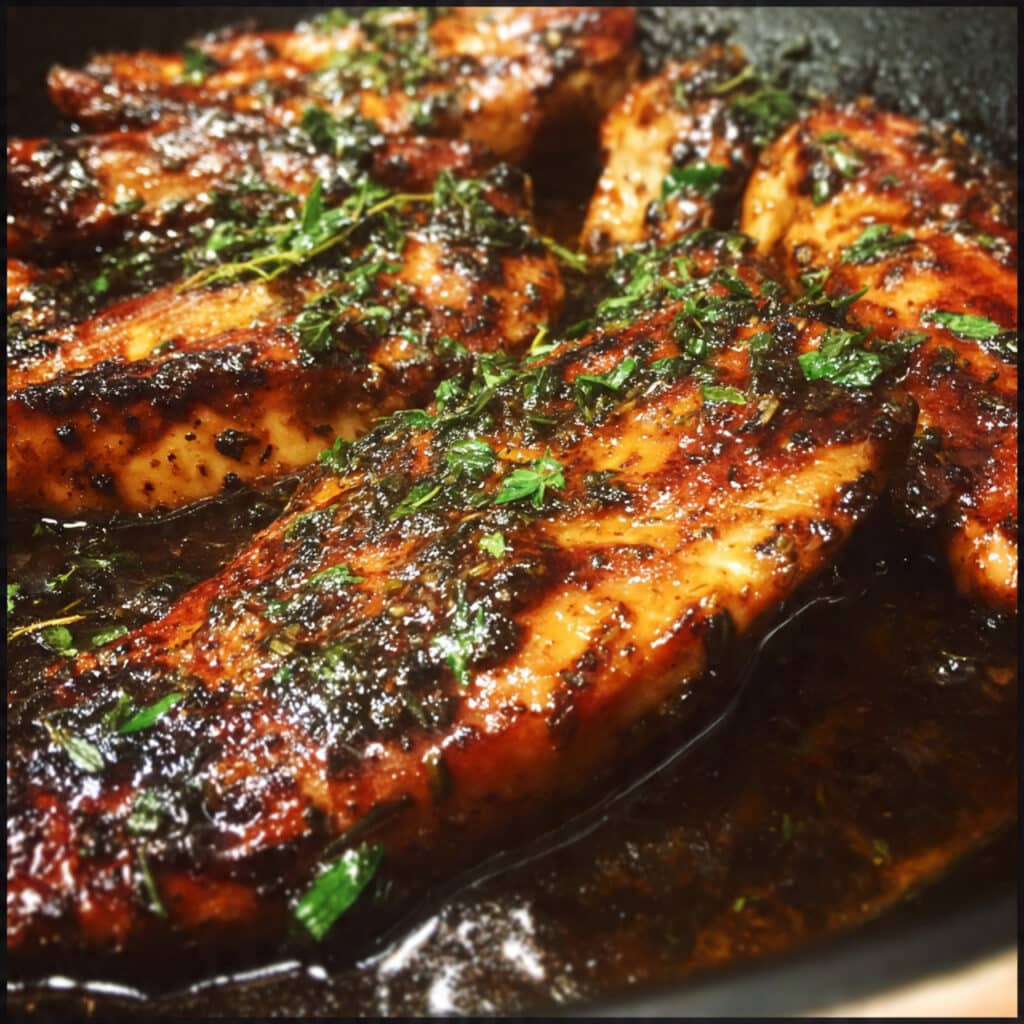
To Grill: Preheat your grill to medium-high heat and lightly oil the grates to prevent sticking. Place the chicken on the grill and cook for about 5–6 minutes per side, until the internal temperature reaches 165°F (74°C). While it’s grilling, brush on some of that reserved marinade for extra flavor and gorgeous color!
To Bake: Preheat your oven to 400°F (205°C). Arrange the chicken on a baking sheet or in a shallow baking pan. Bake for 18–22 minutes (or 15–18 minutes if you’re short on time), until the chicken is cooked through and reaches 165°F internally.
To Cook on Stovetop: Heat a lightly oiled skillet over medium-high heat. Once it’s nice and hot, add your chicken and cook for about 8–10 minutes per side, depending on thickness, until fully cooked through.
Pro tip: Use a meat thermometer! It’s the only way to guarantee perfectly cooked, juicy chicken every single time.
Once your chicken is cooked, resist the urge to dive right in (I know it’s hard!). Let it rest for at least 5 minutes before slicing or serving. This resting time allows the juices to redistribute throughout the meat, so every bite is incredibly moist and tender.
While the chicken rests, you can take that reserved marinade, pour it into a small saucepan, and bring it to a boil. Let it simmer for a few minutes until it’s slightly reduced and thickened. This makes the most incredible sauce to drizzle over your cooked chicken.
Notes
Don’t skip the resting time — I know I mentioned this already, but seriously, those 5 minutes make ALL the difference between juicy chicken and dry chicken. It’s worth the wait!
Use a fork to poke a few holes in the chicken before marinating (not required, but it helps!). This creates little channels for the marinade to penetrate even deeper.
Save time by making a double batch — this marinade keeps beautifully in the fridge for up to a week, so you can marinate chicken throughout the week without the prep work. Just give it a good shake before using!
Common mistake to avoid: Don’t crowd your pan or grill! If the chicken pieces are too close together, they’ll steam instead of getting that beautiful caramelized exterior. Give them breathing room.
- Prep Time: 10 minutes + Marinating Time: 4–6 hours (minimum 30 minutes)
- Cook Time: 18–22 minutes
- Category: Main Dish
- Method: Marinating
- Cuisine: American
Ingredient List
For the Marinade:
- ½ cup extra virgin olive oil
- ½ cup balsamic vinegar (or another vinegar of your choice)
- ¼ cup soy sauce (low-sodium works beautifully)
- ¼ cup Worcestershire sauce
- 2 tablespoons (⅛ cup) fresh lemon juice
- ¾ cup brown sugar (light or dark both work)
- 2 teaspoons dried rosemary
- 2 tablespoons Dijon mustard (or spicy-brown mustard for a kick)
- 1½ teaspoons salt
- 1 teaspoon ground black pepper
- 2 teaspoons garlic powder
For the Chicken:
- About 6 boneless, skinless chicken breasts (approximately 3.5 lbs or 1.6 kg total)
Friendly note: If you don’t have balsamic vinegar, apple cider vinegar or red wine vinegar work wonderfully too! And if you’re watching sodium, definitely go with low-sodium soy sauce — you won’t lose any flavor, I promise.
Why These Ingredients Work
Let me break down the magic happening in this marinade! The balsamic vinegar is the star player here — it brings acidity that tenderizes the chicken while adding that signature tangy-sweet depth. The olive oil creates a coating that helps the chicken stay moist during cooking and carries all those beautiful flavors into every bite.
The soy sauce and Worcestershire sauce are your umami powerhouses, adding that savory, almost meaty richness that makes the flavor so complex and satisfying. Meanwhile, the brown sugar balances all that tanginess with caramel-like sweetness and helps create gorgeous caramelization when you cook the chicken.
The Dijon mustard is a secret weapon — it acts as an emulsifier to help blend everything together smoothly, plus it adds a subtle sharpness that keeps the marinade from being too sweet. The rosemary brings earthy, aromatic notes, while the garlic powder, salt, and pepper round out the seasoning beautifully. And that splash of lemon juice? It brightens everything up and adds a fresh zing that keeps the marinade from feeling heavy.
Together, these ingredients work like a flavor symphony, each one playing its part to create the most tender, flavorful chicken you’ve ever had!
Essential Tools and Equipment
You really don’t need anything fancy for this recipe — just basic kitchen essentials:
- Large mixing bowl for whisking the marinade
- Whisk to combine everything smoothly
- Large resealable bag or container for marinating (I love using gallon-size ziplock bags because you can massage the marinade around easily)
- Measuring cups and spoons
- Small bowl or jar to hold the reserved marinade for basting
For cooking, you’ll need ONE of the following:
- Grill with lightly oiled grates
- Baking sheet or shallow baking pan (if baking)
- Large skillet (if cooking on stovetop)
- Meat thermometer (this is KEY to ensure perfectly cooked chicken every time!)
How To Make Balsamic Chicken Marinade
Step 1: Whisk Together Your Marinade
In a large mixing bowl, combine the olive oil, balsamic vinegar, soy sauce, Worcestershire sauce, lemon juice, brown sugar, dried rosemary, Dijon mustard, salt, pepper, and garlic powder. Whisk everything together vigorously until the brown sugar is completely dissolved and the marinade is smooth and well combined.
Step 2: Reserve Some Marinade for Later
This is important! Scoop out about ½ cup of the freshly made marinade and set it aside in a small bowl or jar. Cover it and pop it in the fridge. This reserved portion hasn’t touched raw chicken, so it’s perfectly safe to use later for basting while cooking or drizzling over your finished chicken as a sauce.
Step 3: Marinate Your Chicken
Place your chicken breasts (or whatever cut you’re using) into a large resealable bag or a container with a lid. Pour the remaining marinade over the chicken, making sure to get it all in there. Seal the bag or container, then gently massage or toss everything around so every single piece of chicken is beautifully coated in that gorgeous marinade.
Step 4: Let It Work Its Magic
Transfer your bag or container to the refrigerator and let the chicken marinate for at least 30 minutes. But honestly? If you can swing 4–6 hours, that’s the sweet spot for maximum flavor. You can even marinate it up to 24 hours if you’re planning ahead (which I LOVE doing for stress-free dinner prep).
The longer it sits, the more those flavors penetrate the meat and the more tender everything becomes.
Step 5: Cook Your Chicken to Perfection
When you’re ready to cook, remove the chicken from the marinade and let the excess drip off (don’t worry about patting it completely dry — you want some of that flavor to stick around!).
To Grill: Preheat your grill to medium-high heat and lightly oil the grates to prevent sticking. Place the chicken on the grill and cook for about 5–6 minutes per side, until the internal temperature reaches 165°F (74°C). While it’s grilling, brush on some of that reserved marinade for extra flavor and gorgeous color!
To Bake: Preheat your oven to 400°F (205°C). Arrange the chicken on a baking sheet or in a shallow baking pan. Bake for 18–22 minutes (or 15–18 minutes if you’re short on time), until the chicken is cooked through and reaches 165°F internally.
To Cook on Stovetop: Heat a lightly oiled skillet over medium-high heat. Once it’s nice and hot, add your chicken and cook for about 8–10 minutes per side, depending on thickness, until fully cooked through.
Pro tip: Use a meat thermometer! It’s the only way to guarantee perfectly cooked, juicy chicken every single time.
Step 6: Rest Before Serving
Once your chicken is cooked, resist the urge to dive right in (I know it’s hard!). Let it rest for at least 5 minutes before slicing or serving. This resting time allows the juices to redistribute throughout the meat, so every bite is incredibly moist and tender.
While the chicken rests, you can take that reserved marinade, pour it into a small saucepan, and bring it to a boil. Let it simmer for a few minutes until it’s slightly reduced and thickened. This makes the most incredible sauce to drizzle over your cooked chicken.
You Must Know
The marinade MUST be refrigerated — never let raw chicken sit out at room temperature while marinating. Food safety is no joke, friends!
Always reserve some marinade before adding the chicken — this is crucial! Once marinade touches raw chicken, it can’t be used again unless you boil it thoroughly to kill any bacteria. That’s why we set aside ½ cup at the very beginning.
Don’t over-marinate delicate cuts — while chicken breasts can handle up to 24 hours, the acid in the marinade can start to break down the texture if you go much longer. Stick to the 4–6 hour sweet spot for best results.
Personal Secret: after you cook your chicken and let it rest, slice it up and toss those slices back into a little bit of the reduced reserved marinade.
Pro Tips & Cooking Hacks
Pound your chicken breasts to even thickness — this is one of the easiest ways to ensure even cooking. Nobody wants a dry, overcooked edge and a raw middle! Just place chicken between plastic wrap and gently pound with a meat mallet or heavy pan.
Don’t skip the resting time — I know I mentioned this already, but seriously, those 5 minutes make ALL the difference between juicy chicken and dry chicken. It’s worth the wait!
Use a fork to poke a few holes in the chicken before marinating (not required, but it helps!). This creates little channels for the marinade to penetrate even deeper.
Save time by making a double batch — this marinade keeps beautifully in the fridge for up to a week, so you can marinate chicken throughout the week without the prep work. Just give it a good shake before using!
Common mistake to avoid: Don’t crowd your pan or grill! If the chicken pieces are too close together, they’ll steam instead of getting that beautiful caramelized exterior. Give them breathing room.
Flavor Variations & Suggestions
Italian Herb Version: Swap the rosemary for a mix of dried basil, oregano, and thyme. Add a teaspoon of Italian seasoning for extra dimension.
Spicy Kick: Add 1–2 teaspoons of red pepper flakes or a tablespoon of sriracha to the marinade. The sweet and spicy combo is addictive!
Citrus Burst: Replace half the balsamic vinegar with orange juice and add some orange zest. It becomes more bright and summery!
Asian-Inspired Twist: Use rice vinegar instead of balsamic, add fresh grated ginger (about 1 tablespoon), and increase the soy sauce slightly. Delicious!
Honey Swap: If you’re out of brown sugar, honey works beautifully too. It’ll give you a slightly different flavor profile but still absolutely delicious.
Different Vinegars: Apple cider vinegar makes it more tart and fruity, red wine vinegar adds depth, or even white wine vinegar for a lighter, more delicate flavor.
Make-Ahead Options
This recipe is a meal-prepper’s DREAM! Here’s how to make it work for you:
The Marinade Itself: Mix up the marinade up to a week ahead and store it in an airtight container in the fridge. Just give it a good shake before using since the oil may separate.
Marinating the Chicken: You can have chicken marinating in your fridge for up to 24 hours before cooking. Perfect for throwing together in the morning before work, then coming home to dinner that’s basically ready to cook!
Cooked Chicken Storage: Once cooked, this chicken keeps beautifully in the fridge for up to 4 days. Store in an airtight container with any extra sauce drizzled over top to keep it moist.
Freezing Options: You can freeze the raw marinated chicken! Place chicken with marinade in a freezer-safe bag, remove air, seal, and freeze for up to 3 months. Thaw in the fridge overnight, and it’ll continue marinating as it thaws. Genius, right?
You can also freeze cooked chicken (sliced or whole) for up to 3 months. Just let it cool completely first, then store in freezer-safe containers.
Recipe Notes & Baker’s Tips
The brown sugar creates beautiful caramelization, but watch your heat level — if your grill or pan is too hot, the sugar can burn before the chicken cooks through. Medium-high heat is your friend here!
If your chicken breasts are particularly thick (over 1 inch), consider butterflying them or slicing them horizontally to create thinner cutlets. They’ll cook more evenly and absorb the marinade better.
The marinade works for bone-in, skin-on chicken too, but cooking times will be longer (usually 35–45 minutes at 400°F). Just make sure that internal temp hits 165°F!
Leftover cooked chicken is phenomenal sliced over salads, tucked into wraps, chopped into pasta dishes, or served over rice bowls. The flavor is so good that it honestly tastes even better the next day!
Serving Suggestions
This balsamic chicken is incredibly versatile! Here are some of my favorite ways to serve it:
Classic Dinner Plate: Serve alongside roasted vegetables (asparagus, Brussels sprouts, or roasted potatoes are divine) and a simple green salad with vinaigrette.
Grain Bowls: Slice the chicken and serve over quinoa, rice, or couscous with roasted veggies, fresh greens, and a drizzle of that reduced marinade sauce.
Pasta Night: Chop the chicken and toss it with pasta, cherry tomatoes, fresh basil, and a splash of pasta water for an easy weeknight meal.
Sandwich or Wrap: Slice it thin and pile it on ciabatta bread with arugula, fresh mozzarella, and tomatoes. Or wrap it up with hummus and veggies in a tortilla!
Summer BBQ: Grill this chicken alongside corn on the cob, potato salad, and fresh watermelon for the ultimate backyard feast.
Garnish Ideas: Fresh chopped parsley or basil, a squeeze of fresh lemon, or even some crumbled feta or goat cheese takes it over the top!
How to Store Your Balsamic Chicken Marinade
Unused Marinade (no raw chicken contact): Store in an airtight container in the refrigerator for up to 1 week. Give it a good shake before using.
Marinated Raw Chicken: Keep in the refrigerator for up to 24 hours. Always marinate in the fridge, never at room temperature.
Cooked Chicken: Store in an airtight container in the refrigerator for up to 4 days. For best results, drizzle with a little extra sauce or marinade before storing to keep it moist.
Freezing Cooked Chicken: Let cool completely, then store in freezer-safe containers or bags for up to 3 months. Remove as much air as possible to prevent freezer burn.
Freezing Raw Marinated Chicken: Place chicken with marinade in a freezer-safe bag, remove air, seal tightly, and freeze for up to 3 months.
Reheating Instructions: Reheat gently in a skillet over medium heat with a splash of water or broth to keep it moist, or microwave in 30-second intervals until warmed through. You can also reheat in a 350°F oven for about 10–15 minutes, covered with foil.
Allergy Information
Common Allergens in This Recipe:
- Soy (from soy sauce)
- Wheat (Worcestershire sauce often contains wheat; soy sauce may contain wheat unless using tamari)
- Fish (Worcestershire sauce contains anchovies)
- Mustard (Dijon mustard)
Substitution Suggestions:
Soy-Free: Use coconut aminos in place of soy sauce — it has a similar savory flavor without the soy!
Gluten-Free: Use tamari instead of regular soy sauce, and check your Worcestershire sauce label (or use a gluten-free version). Most Dijon mustards are gluten-free, but double-check your brand.
Fish-Free: Replace Worcestershire sauce with additional soy sauce plus a splash of balsamic vinegar and a pinch of tamarind paste (if you have it) to mimic that complex flavor.
Mustard-Free: Simply omit the Dijon mustard and add an extra teaspoon of lemon juice. You’ll lose a bit of the emulsification, but the flavor will still be fantastic.
Dairy: Great news — this recipe is naturally dairy-free!
Nut-Free: This recipe contains no nuts and is safe for nut allergies.
Questions I Get Asked A Lot
Do I really need to marinate for hours, or will 30 minutes work?
Thirty minutes will definitely add flavor and is better than nothing if you’re in a pinch! But honestly, the 4–6 hour range is where the magic happens. The flavors penetrate deeper, and the chicken becomes more tender. If you can plan ahead, you won’t regret it!
Can I use this marinade for other proteins?
YES! This marinade is phenomenal on pork chops, pork tenderloin, steak, or even firm fish like salmon or swordfish. Just adjust your cooking times based on the protein. I’ve even used it on tofu and portobello mushrooms for vegetarian options!
My chicken turned out a little tough, what happened?
The most common culprit is overcooking. Chicken breasts cook quickly and dry out fast if you go past 165°F. Invest in a good meat thermometer (seriously, they’re like $10 and worth every penny!), and pull the chicken right when it hits that magic number. Also, make sure you’re letting it rest before cutting — this helps retain moisture.
Can I cook the chicken straight from frozen?
I don’t recommend it with this recipe. The marinade needs time to penetrate the meat, which can’t happen when it’s frozen solid. Plus, you’ll end up with uneven cooking. Always thaw your chicken in the fridge first, then marinate!
What should I do with leftover marinade that touched raw chicken?
Never reuse it as-is! But you can absolutely boil it for at least 3–5 minutes to kill any bacteria, then use it as a sauce. I usually simmer it until it reduces slightly and thickens up — it’s delicious drizzled over the cooked chicken or veggies!
💬 Tried this recipe? Leave a comment and rating below! I’d LOVE to hear how your balsamic chicken turned out! Did you grill it or bake it? Any fun variations you tried? Drop a comment and let me know.