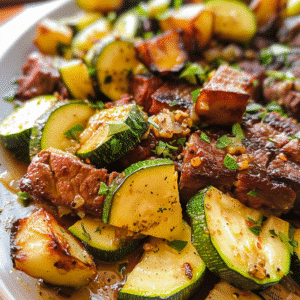
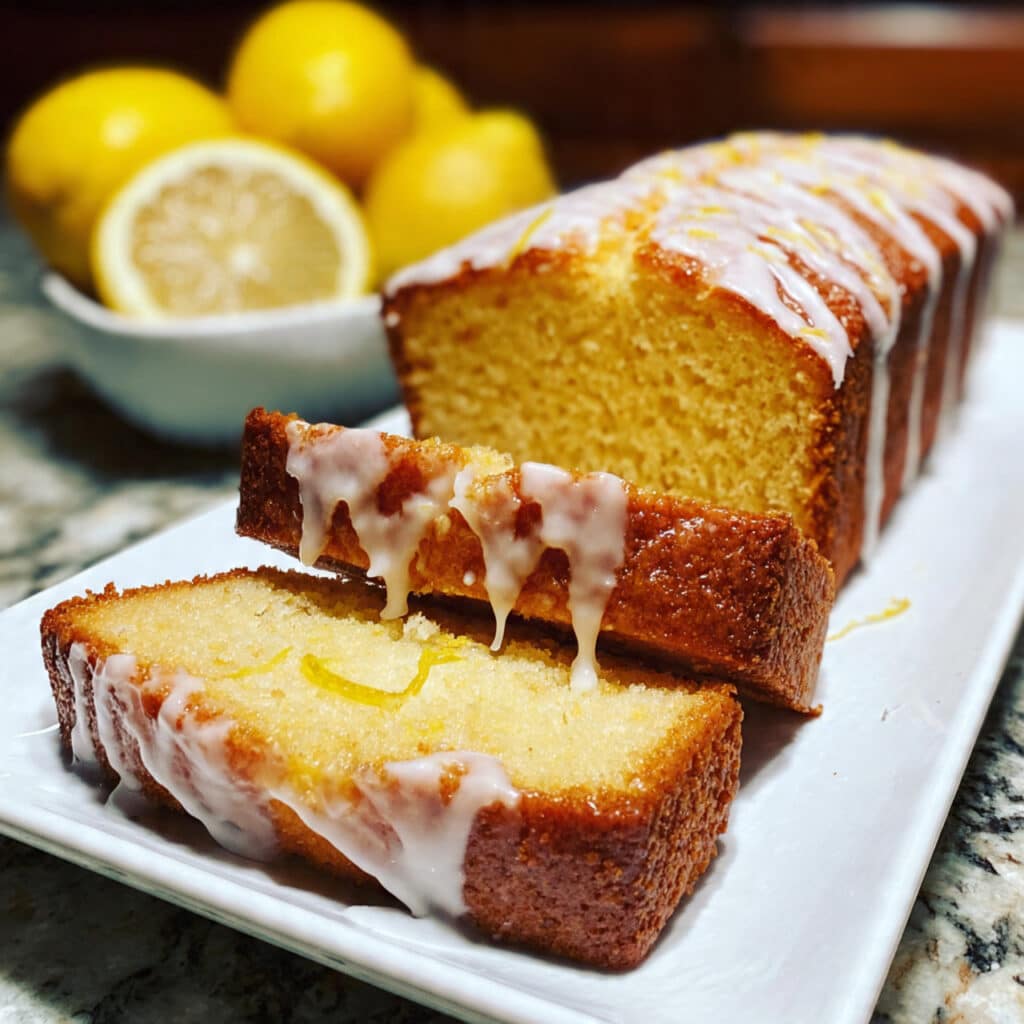
Lemon pound cake is is incredibly moist and tender thanks to buttermilk and sour cream, with bright citrus flavor from fresh lemon zest and juice. Topped with an optional sweet lemon glaze, it’s the perfect dessert for any occasion.

Why You’ll Love This Lemon Pound Cake
Rich, buttery, and bursting with bright citrus flavor in every slice. The moist, dense crumb is perfectly balanced with fresh lemon zest and a sweet-tangy glaze on top. Simple yet elegant, it’s the perfect dessert for brunch, afternoon coffee, or anytime you’re craving something fresh and comforting.
Print
Lemon Pound Cake
- Total Time: 1 hour 30 minutes (including cooling)
- Yield: 1 loaf (9×5-inch)
Description
The BEST Lemon Pound Cake recipe! Ultra-moist, bursting with fresh lemon flavor & topped with sweet lemon glaze. Easy to make with simple ingredients. Perfect for spring!
Ingredients
For the Cake:
- 3 cups all-purpose flour
- 1 teaspoon baking powder
- ½ teaspoon baking soda
- ½ teaspoon salt
- 1 cup (2 sticks) unsalted butter, room temperature
- 2 cups granulated sugar
- 3 large eggs, room temperature
- 1 teaspoon vanilla extract
- ½ cup sour cream or plain Greek yogurt (either works beautifully!)
- ½ cup buttermilk
- Zest of 2 lemons (about 2 tablespoons)
- ¼ cup fresh lemon juice
For the Optional Lemon Glaze:
- 1–1½ cups powdered sugar
- 2–3 tablespoons fresh lemon juice
- 1–2 teaspoons milk (if needed to thin)
Instructions
Preheat your oven to 350°F (175°C). Grease your 9×5-inch loaf pan generously with butter or baking spray, then dust it with flour, tapping out any excess. Or, for foolproof removal, line it with parchment paper with overhang on the sides—this creates little “handles” to lift the cake out later!
In a medium bowl, whisk together the flour, baking powder, baking soda, and salt until everything’s evenly distributed. Set this aside
Here’s where the magic begins! In your large mixing bowl (or stand mixer), beat the room temperature butter and granulated sugar together on medium-high speed for 3–5 minutes.
Reduce your mixer speed to medium and add the eggs one at a time, beating well after each addition. Stir in the vanilla extract, lemon zest, and lemon juice. The batter might look slightly separated now, but it’ll come together beautifully in the next step.
This is the classic pound cake technique! With your mixer on LOW speed (this is key!), add the dry ingredients in three additions, alternating with the sour cream and buttermilk in two additions. Here’s the pattern: dry ingredients → wet ingredients → dry ingredients → wet ingredients → dry ingredients.
Start and end with the dry mixture! After each addition, mix just until you can’t see any streaks of flour or liquid—then STOP. Overmixing is the enemy of tender cake!
Pour the batter into your prepared loaf pan and use a spatula to smooth the top evenly. Give the pan a gentle tap on the counter to release any air bubbles.
Bake for 60–70 minutes, until a toothpick inserted into the center comes out clean or with just a few moist crumbs attached. Every oven is different, so start checking around the 55-minute mark!
If you notice the top browning too quickly (usually after about 45 minutes), tent it loosely with aluminum foil for the remaining baking time. This prevents the top from getting too dark while the inside finishes baking.
Let the cake cool in the pan for about 15 minutes—this helps it set and makes it easier to remove. Then, carefully turn it out onto a wire rack to cool completely. I know it’s tempting to dig in, but trust me, let it cool! The texture gets even better as it cools, and if you add the glaze to a warm cake, it’ll just slide right off.
In a small bowl, whisk together the powdered sugar and fresh lemon juice until smooth and glossy. Start with 2 tablespoons of lemon juice and add more if you want a thinner glaze. If it’s too thick to drizzle, add milk a teaspoon at a time until you reach your desired consistency.
Once the cake is completely cool, drizzle the glaze over the top, letting it cascade down the sides. Let the glaze set for about 10 minutes before slicing!
Notes
The toothpick test: The toothpick should come out with a few moist crumbs, NOT completely clean. A completely clean toothpick means you’ve slightly overbaked it.
Glaze consistency matters: Too thick and it’ll just sit on top in a blob. Too thin and it’ll all run off. You want it to slowly drizzle off a spoon—that’s the sweet spot!
Common mistake to avoid: Opening the oven door repeatedly to check on the cake causes temperature fluctuations that can make your cake sink in the middle. Check only after 55 minutes!
Smart shortcut: No time to wait for butter to soften? Cut it into small cubes and let it sit for 15–20 minutes. It’ll soften much faster than a whole stick!
- Prep Time: 20 minutes
- Cook Time: 60–70 minutes
- Category: Dessert
- Method: Baking
- Cuisine: American
Ingredient List
For the Cake:
- 3 cups all-purpose flour
- 1 teaspoon baking powder
- ½ teaspoon baking soda
- ½ teaspoon salt
- 1 cup (2 sticks) unsalted butter, room temperature
- 2 cups granulated sugar
- 3 large eggs, room temperature
- 1 teaspoon vanilla extract
- ½ cup sour cream or plain Greek yogurt (either works beautifully!)
- ½ cup buttermilk
- Zest of 2 lemons (about 2 tablespoons)
- ¼ cup fresh lemon juice
For the Optional Lemon Glaze:
- 1–1½ cups powdered sugar
- 2–3 tablespoons fresh lemon juice
- 1–2 teaspoons milk (if needed to thin)
Why These Ingredients Work
Let’s talk about what makes this cake so incredibly good:
Buttermilk and sour cream are the dynamic duo that keep this pound cake exceptionally moist and tender. The acidity in both also helps activate the leavening agents and creates that beautiful, fine crumb we’re after.
Fresh lemon zest and juice deliver a double punch of bright citrus flavor. The zest contains all those aromatic oils that make the cake smell absolutely heavenly, while the juice adds that tangy zing.
Room temperature butter, eggs, and dairy are crucial! When everything’s at the same temperature, they combine smoothly and evenly, creating a better texture and preventing the batter from curdling.
The combination of baking powder and baking soda gives us just the right amount of lift without making the cake too airy—we want that classic dense-but-tender pound cake texture!
Essential Tools and Equipment
Here’s what you’ll need to make this beauty:
- 9×5-inch loaf pan (metal works best for even browning)
- Electric mixer (stand mixer or hand mixer—either works!)
- Medium mixing bowl for dry ingredients
- Zester or microplane for those lemons
- Whisk for combining dry ingredients
- Rubber spatula for gentle folding
- Toothpick or cake tester to check doneness
- Wire cooling rack
- Parchment paper (optional, but makes removal easier!)
- Small bowl for making the glaze
How To Make Lemon Pound Cake
Step 1: Preheat and Prep Your Pan
Preheat your oven to 350°F (175°C). Grease your 9×5-inch loaf pan generously with butter or baking spray, then dust it with flour, tapping out any excess. Or, for foolproof removal, line it with parchment paper with overhang on the sides—this creates little “handles” to lift the cake out later!
Step 2: Mix Your Dry Ingredients
In a medium bowl, whisk together the flour, baking powder, baking soda, and salt until everything’s evenly distributed. Set this aside
Step 3: Cream the Butter and Sugar
Here’s where the magic begins! In your large mixing bowl (or stand mixer), beat the room temperature butter and granulated sugar together on medium-high speed for 3–5 minutes.
Step 4: Add Eggs and Flavorings
Reduce your mixer speed to medium and add the eggs one at a time, beating well after each addition. Stir in the vanilla extract, lemon zest, and lemon juice. The batter might look slightly separated now, but it’ll come together beautifully in the next step.
Step 5: Alternate Dry and Wet Ingredients
This is the classic pound cake technique! With your mixer on LOW speed (this is key!), add the dry ingredients in three additions, alternating with the sour cream and buttermilk in two additions. Here’s the pattern: dry ingredients → wet ingredients → dry ingredients → wet ingredients → dry ingredients.
Start and end with the dry mixture! After each addition, mix just until you can’t see any streaks of flour or liquid—then STOP. Overmixing is the enemy of tender cake!
Step 6: Pour Batter into Pan
Pour the batter into your prepared loaf pan and use a spatula to smooth the top evenly. Give the pan a gentle tap on the counter to release any air bubbles.
Step 7: Bake to Golden Perfection
Bake for 60–70 minutes, until a toothpick inserted into the center comes out clean or with just a few moist crumbs attached. Every oven is different, so start checking around the 55-minute mark!
If you notice the top browning too quickly (usually after about 45 minutes), tent it loosely with aluminum foil for the remaining baking time. This prevents the top from getting too dark while the inside finishes baking.
Step 8: Cool Completely
Let the cake cool in the pan for about 15 minutes—this helps it set and makes it easier to remove. Then, carefully turn it out onto a wire rack to cool completely. I know it’s tempting to dig in, but trust me, let it cool! The texture gets even better as it cools, and if you add the glaze to a warm cake, it’ll just slide right off.
Step 9: Make the Optional Lemon Glaze
In a small bowl, whisk together the powdered sugar and fresh lemon juice until smooth and glossy. Start with 2 tablespoons of lemon juice and add more if you want a thinner glaze. If it’s too thick to drizzle, add milk a teaspoon at a time until you reach your desired consistency.
Once the cake is completely cool, drizzle the glaze over the top, letting it cascade down the sides. Let the glaze set for about 10 minutes before slicing!

You Must Know
Room temperature ingredients are non-negotiable! Cold eggs and dairy will cause your butter to seize up and create a lumpy, uneven batter. Set everything out about an hour before you start baking.
Zest before you juice! Once you’ve juiced a lemon, getting the zest off is nearly impossible. Always zest first, then juice.
Don’t overmix once you add the flour. The moment flour meets liquid, gluten starts forming. Too much mixing = tough, dense cake. Mix just until combined!
Use fresh lemon juice ONLY. Please, I’m begging you—don’t use that bottled stuff! Fresh lemon juice makes all the difference in flavor.
Personal Secret: For an extra-moist cake with even MORE lemon flavor, poke holes in the warm cake with a toothpick and brush it with a simple syrup made from 2 tablespoons lemon juice and 2 tablespoons sugar (heated until dissolved).
Pro Tips & Cooking Hacks
For maximum lemon flavor: Add an extra teaspoon of lemon zest to the batter. You can never have too much lemon in lemon pound cake!
The toothpick test: The toothpick should come out with a few moist crumbs, NOT completely clean. A completely clean toothpick means you’ve slightly overbaked it.
Glaze consistency matters: Too thick and it’ll just sit on top in a blob. Too thin and it’ll all run off. You want it to slowly drizzle off a spoon—that’s the sweet spot!
Common mistake to avoid: Opening the oven door repeatedly to check on the cake causes temperature fluctuations that can make your cake sink in the middle. Check only after 55 minutes!
Smart shortcut: No time to wait for butter to soften? Cut it into small cubes and let it sit for 15–20 minutes. It’ll soften much faster than a whole stick!
Flavor Variations & Suggestions
Lemon Blueberry Pound Cake: Toss 1 cup of fresh or frozen blueberries in 1 tablespoon of flour, then gently fold them into the finished batter. Bake as directed, adding 5–10 extra minutes if needed.
Lemon Poppy Seed: Add 2 tablespoons of poppy seeds to the dry ingredients for that classic bakery-style combo!
Lemon Lavender: Add 1 tablespoon of culinary lavender to the sugar and let it sit for 10 minutes before creaming with the butter. The floral notes are absolutely divine!
Orange Pound Cake: Swap the lemon zest and juice for orange! You might need to use 3 oranges instead of 2 lemons to get enough zest and juice.
Almond Lemon: Replace the vanilla extract with ½ teaspoon of almond extract for a subtle nutty flavor that pairs beautifully with lemon.
Make-Ahead Options
This cake is actually BETTER the next day, which makes it perfect for advance planning!
Make the cake ahead: Bake the cake up to 2 days in advance. Once completely cool, wrap it tightly in plastic wrap (without the glaze) and store at room temperature. Add the glaze a few hours before serving.
Freeze for later: This cake freezes beautifully! Wrap the unglazed, completely cooled cake in plastic wrap, then aluminum foil. Freeze for up to 3 months. Thaw overnight in the refrigerator, then bring to room temperature and add glaze before serving.
Glaze ahead: You can make the glaze up to 2 days ahead and store it in an airtight container in the fridge. Bring it to room temperature and whisk it smooth before drizzling.
Recipe Notes & Baker’s Tips
About that flour measurement: For the most accurate measurement, spoon the flour into your measuring cup and level it off with a knife. Don’t scoop directly from the bag—you’ll pack in too much flour and end up with a dry cake.
Buttermilk substitute: If you’re using the vinegar/milk trick to make DIY buttermilk, make sure you let it sit for the full 5 minutes. You should see it curdle slightly—that’s what you want!
Pan size matters: This recipe is specifically designed for a 9×5-inch loaf pan. If you use a different size, your baking time will change. A larger pan = shorter baking time; smaller pan = longer baking time.
Insider knowledge: The cake will continue to cook slightly as it cools, especially in the center. That’s why we pull it when there are still a few moist crumbs on the toothpick—it’ll be perfectly done by the time it cools!
Serving Suggestions
This lemon pound cake is incredibly versatile! Here are my favorite ways to serve it:
Classic style: Just slice and serve with a hot cup of coffee or tea. Sometimes simple is best!
With fresh berries: Top slices with fresh strawberries, blueberries, or raspberries and a dollop of whipped cream for a stunning dessert.
Toasted with butter: Slice day-old cake and toast it lightly in a skillet with butter until golden. The caramelized edges are incredible!
With ice cream: Serve warm slices with vanilla ice cream or lemon sorbet for an elegant dessert.
Brunch spread: This is perfect for Easter, Mother’s Day, or any spring gathering. Serve it alongside fresh fruit and mimosas!
Garnish ideas: Dust with powdered sugar, add candied lemon slices on top, or sprinkle with fresh lemon zest for extra pop!
How to Store Your Lemon Pound Cake
Room temperature: Store the glazed cake in an airtight container or covered with plastic wrap for up to 4 days at room temperature. The glaze actually helps seal in moisture!
Refrigerator: If your kitchen is very warm or humid, you can refrigerate the cake for up to 1 week. Bring slices to room temperature before serving for the best texture.
Freezer: Wrap individual slices in plastic wrap, then place in a freezer bag for up to 3 months. Perfect for grabbing a slice whenever a lemon craving hits!
Reheating: If you want to serve it warm, microwave individual slices for 10–15 seconds, or warm them in a 300°F oven for 5–7 minutes.
Allergy Information
Contains: Wheat (gluten), dairy (butter, buttermilk, sour cream), eggs
Dairy-free option: Use vegan butter, dairy-free yogurt, and make dairy-free buttermilk using plant milk + vinegar. The texture will be slightly different but still delicious!
Gluten-free option: Use a 1:1 gluten-free baking flour blend. The cake may be slightly more crumbly but the flavor will still be amazing!
Egg-free: Unfortunately, eggs are crucial to the structure of pound cake, and I haven’t found a reliable substitute that works well.
Questions I Get Asked A Lot
Can I use Greek yogurt instead of sour cream?
Absolutely! Plain Greek yogurt works perfectly and adds the same tangy richness. Just make sure it’s full-fat for the best texture. I actually prefer Greek yogurt sometimes because it’s usually what I have in my fridge!
Why did my cake sink in the middle?
This usually happens for one of three reasons: the oven temperature was too low (use an oven thermometer to check!), you opened the oven door too early (wait until at least 55 minutes), or there was too much leavening agent. Make sure you’re measuring your baking powder and baking soda accurately!
Can I make this in a bundt pan instead?
You definitely can! Use a 10-cup bundt pan and reduce the baking time to 45–55 minutes. The cake will be shallower, so it bakes faster. Check it starting at 45 minutes.
My glaze is too thick and won’t drizzle. Help!
Add milk or lemon juice one teaspoon at a time, whisking well after each addition. It should flow slowly off your spoon like honey. If you accidentally make it too thin, just whisk in more powdered sugar!
How do I know when it’s done baking?
The cake should be golden brown on top, pulling away slightly from the sides of the pan, and a toothpick inserted in the center should come out with just a few moist crumbs. The top should spring back lightly when touched. When in doubt, it’s better to slightly underbake than overbake!
💬 Tried this recipe? Leave a comment and rating below! I’d absolutely love to hear how it turned out for you, and if you made any fun variations.