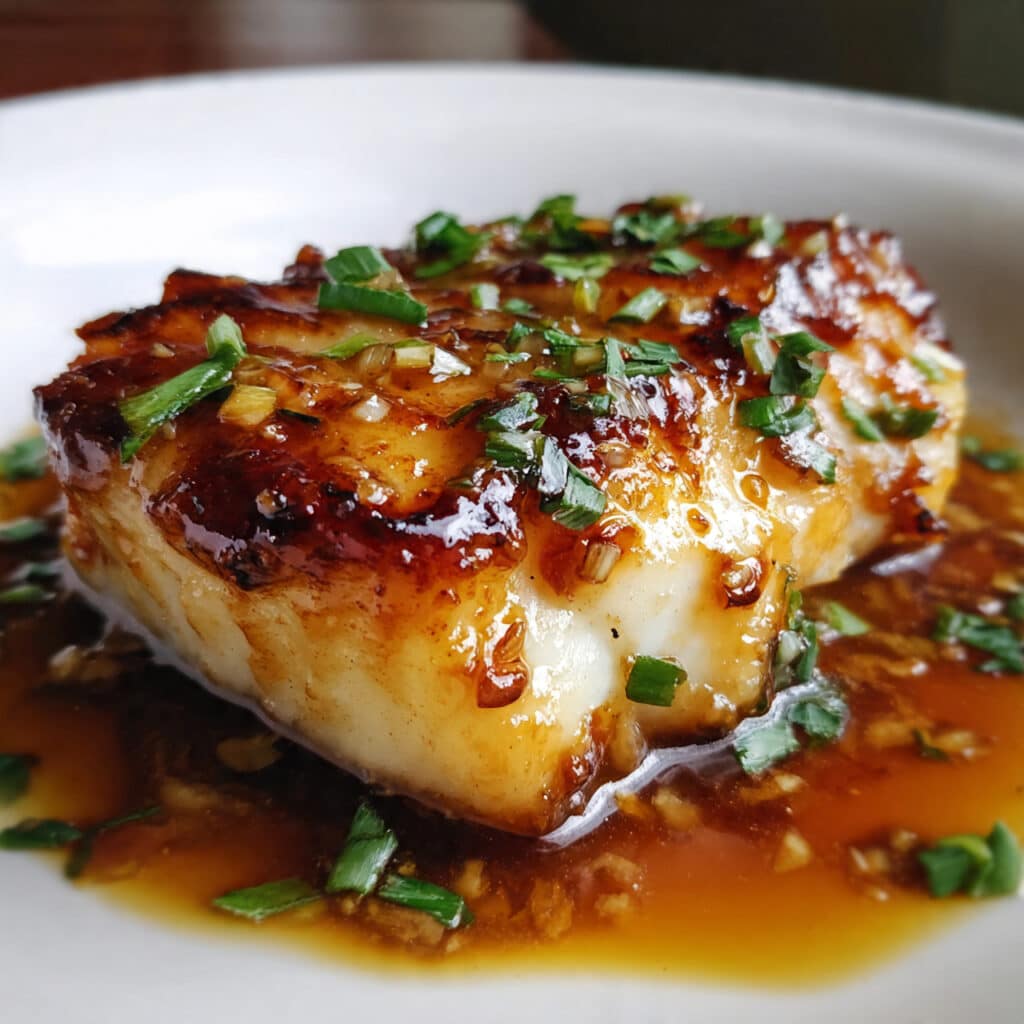
Miso cod is a restaurant quality dish that’s surprisingly easy to make at home! With a glossy, caramelized glaze that’s perfectly balanced between sweet and savory, this broiled fish comes together in under 20 minutes. Just a handful of pantry ingredients and you’ve got an elegant weeknight dinner.
Love More Recipes? Try My Baked Cod in Coconut Lemon Cream Sauce or this Savory Honey Garlic Glazed Salmon next.
Why You’ll Love This Miso Cod Recipe
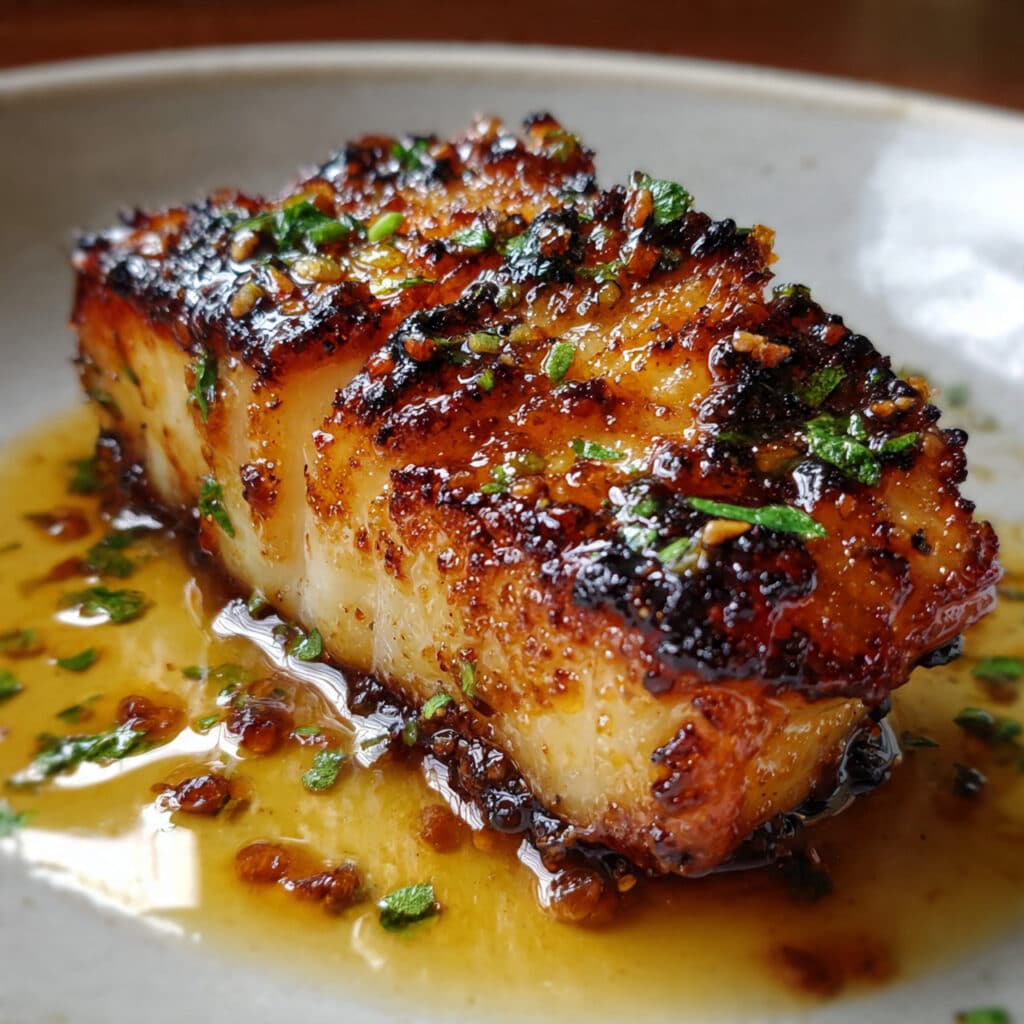
The cod is marinated in a savory sweet miso glaze that caramelizes beautifully as it cooks, creating tender, melt-in-your-mouth fish. Simple to prepare and restaurant-worthy, it’s perfect for weeknight dinners when you want something light, flavorful, and special.
PrintMiso Cod Recipe
- Total Time: 20 minutes
- Yield: 4 cod fillets
Description
Learn how to make restaurant-quality miso cod at home in just 20 minutes! This easy broiled fish recipe features a sweet and savory glaze made with white miso paste, honey, and soy sauce that caramelizes beautifully. Perfect for weeknight dinners or special occasions.
Ingredients
For the Cod:
- 4 cod fillets (about 5–6 ounces each), patted dry
For the Miso Glaze:
- ¼ cup white miso paste
- 2 tablespoons soy sauce (low sodium)
- 2 tablespoons honey or brown sugar
- 1 tablespoon rice vinegar
- 1 teaspoon sesame oil (optional, but recommended!)
Optional Garnish:
- Sliced green onions
- Toasted sesame seeds
Instructions
Preheat your oven to BROIL (high setting). Line a baking sheet with aluminum foil or parchment paper. This step is crucial—it makes cleanup so much easier, and you definitely don’t want sticky glaze baked onto your pan!
Quick tip: Place the oven rack about 6 inches from the broiler element. Too close and the glaze will burn before the fish cooks through.
In a small bowl, whisk together the white miso paste, soy sauce, honey (or brown sugar), rice vinegar, and sesame oil. Keep whisking until the mixture is completely smooth with no lumps. The miso paste can be a bit thick, so this might take a minute of vigorous whisking, but it’s worth it for that silky glaze!
The glaze should look glossy and pour easily. If it seems too thick, you can add a tiny splash of water.
Pat your cod fillets completely dry with paper towels. This is important! Any excess moisture will prevent the glaze from adhering properly and can make the fish steam instead of caramelize.
Place the dried cod fillets on your prepared baking sheet, spacing them a few inches apart.
Using a brush or the back of a spoon, spread the miso glaze evenly over the top of each cod fillet. Be generous! You want a nice thick coating that will caramelize beautifully. Make sure to cover the entire surface.
Slide the baking sheet into your preheated oven and broil for 6–8 minutes. Watch it like a hawk during the last few minutes—broilers can go from perfect to burnt quickly! You’re looking for the glaze to bubble, darken, and develop those gorgeous caramelized spots on top.
Note: If your glaze is browning too quickly but the fish isn’t cooked through, don’t panic! Just move to the next step.
If the fish needs more cooking time after broiling (it should be opaque and flake easily with a fork), reduce your oven temperature to 450°F (230°C) and bake for an additional 5–7 minutes. This ensures the fish cooks through without burning the glaze.
The cod is done when it’s opaque throughout and flakes easily with a fork. The internal temperature should reach 145°F if you want to be precise.
Remove from the oven and let it rest for just a minute. Sprinkle with sliced green onions and toasted sesame seeds for that beautiful finishing touch. Serve immediately while it’s hot and that glaze is still glossy!
Notes
- Marinate for deeper flavor: If you have time, let the cod marinate in the glaze for 15–30 minutes in the fridge before cooking. The fish will absorb more of that umami goodness.
- Use room temperature fish: Take your cod out of the fridge 15 minutes before cooking. It’ll cook more evenly and won’t cool down your hot oven.
- Test for doneness properly: Cod is done when it reaches 145°F internally and flakes easily with a fork. It should be opaque and no longer translucent in the center.
- Avoid overcooking at all costs: Overcooked cod becomes dry and tough. It’s better to slightly undercook than overcook—the fish will continue cooking a bit after you remove it from the oven.
- Toast your sesame seeds: If you’re using sesame seeds for garnish, toast them in a dry skillet for 2–3 minutes until fragrant. It makes a huge difference!
- Prep Time: 5 minutes
- Cook Time: 15 minutes
- Category: Main Dish
- Method: Broiled
- Cuisine: Asian-Inspired
Ingredient List
For the Cod:
- 4 cod fillets (about 5–6 ounces each), patted dry
For the Miso Glaze:
- ¼ cup white miso paste
- 2 tablespoons soy sauce (low sodium)
- 2 tablespoons honey or brown sugar
- 1 tablespoon rice vinegar
- 1 teaspoon sesame oil (optional, but recommended!)
Optional Garnish:
- Sliced green onions
- Toasted sesame seeds
Serves: 4 people
Prep Time: 5 minutes
Cook Time: 12–15 minutes
Total Time: 20 minutes
Why These Ingredients Work
Let me break down what makes this glaze so magical:
White miso paste is the star here. It’s fermented soybean paste with a mild, slightly sweet flavor that’s less intense than red miso. It creates that umami-rich, complex flavor that makes this dish so addictive. Trust me, once you have white miso in your fridge, you’ll start putting it in everything!
Soy sauce adds saltiness and depth, complementing the miso beautifully. I always use low-sodium so the glaze doesn’t get too salty—you can always add more, but you can’t take it away!
Honey or brown sugar balances the savory elements and helps the glaze caramelize under the broiler, creating that gorgeous, slightly crispy top. Honey gives a more floral sweetness, while brown sugar adds a deeper, molasses-like note.
Rice vinegar cuts through the richness with a gentle acidity that brightens the whole dish. It keeps the glaze from feeling too heavy.
Sesame oil is technically optional, but I always include it. Just one teaspoon adds this nutty, toasted flavor that makes the glaze taste even more restaurant-worthy.
Cod fillets are perfect for this recipe because they’re mild and flaky with a delicate texture that soaks up the glaze beautifully. They’re also thick enough to stay moist under the broiler.
Essential Tools and Equipment
You really don’t need much for this recipe:
- Baking sheet – A standard rimmed baking sheet works perfectly
- Aluminum foil or parchment paper – Makes cleanup a breeze and prevents sticking
- Small mixing bowl – For whisking together the glaze
- Whisk or fork – To blend the glaze until smooth
- Brush or spoon – For spreading the glaze over the fish
- Oven mitts – Because that broiler gets HOT!
How To Make Miso Cod
Step 1: Preheat and Prepare
Preheat your oven to BROIL (high setting). Line a baking sheet with aluminum foil or parchment paper. This step is crucial—it makes cleanup so much easier, and you definitely don’t want sticky glaze baked onto your pan!
Quick tip: Place the oven rack about 6 inches from the broiler element. Too close and the glaze will burn before the fish cooks through.
Step 2: Make the Miso Glaze
In a small bowl, whisk together the white miso paste, soy sauce, honey (or brown sugar), rice vinegar, and sesame oil. Keep whisking until the mixture is completely smooth with no lumps. The miso paste can be a bit thick, so this might take a minute of vigorous whisking, but it’s worth it for that silky glaze!
The glaze should look glossy and pour easily. If it seems too thick, you can add a tiny splash of water.
Step 3: Prepare the Cod
Pat your cod fillets completely dry with paper towels. This is important! Any excess moisture will prevent the glaze from adhering properly and can make the fish steam instead of caramelize.
Place the dried cod fillets on your prepared baking sheet, spacing them a few inches apart.
Step 4: Apply the Glaze
Using a brush or the back of a spoon, spread the miso glaze evenly over the top of each cod fillet. Be generous! You want a nice thick coating that will caramelize beautifully. Make sure to cover the entire surface.
Step 5: Broil Until Caramelized
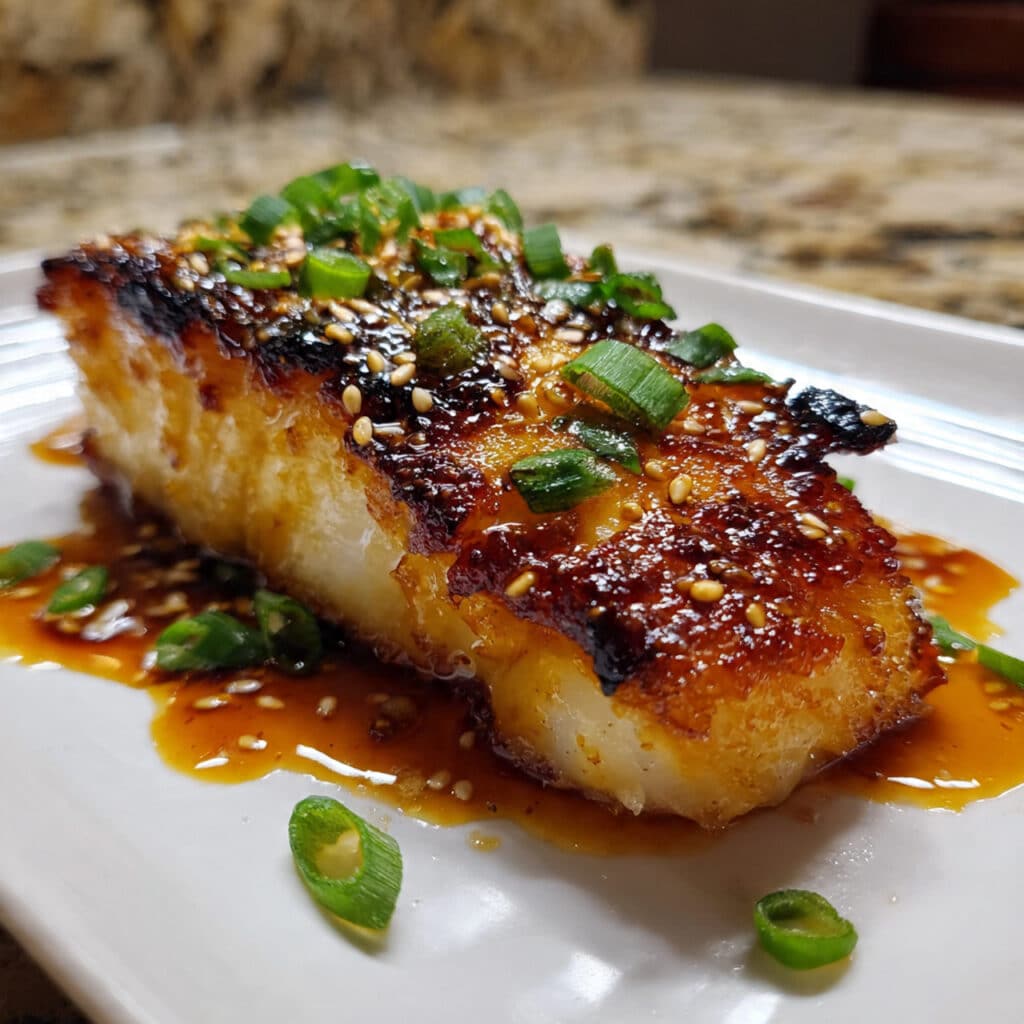
Slide the baking sheet into your preheated oven and broil for 6–8 minutes. Watch it like a hawk during the last few minutes—broilers can go from perfect to burnt quickly! You’re looking for the glaze to bubble, darken, and develop those gorgeous caramelized spots on top.
Note: If your glaze is browning too quickly but the fish isn’t cooked through, don’t panic! Just move to the next step.
Step 6: Finish Baking if Needed
If the fish needs more cooking time after broiling (it should be opaque and flake easily with a fork), reduce your oven temperature to 450°F (230°C) and bake for an additional 5–7 minutes. This ensures the fish cooks through without burning the glaze.
The cod is done when it’s opaque throughout and flakes easily with a fork. The internal temperature should reach 145°F if you want to be precise.
Step 7: Garnish and Serve
Remove from the oven and let it rest for just a minute. Sprinkle with sliced green onions and toasted sesame seeds for that beautiful finishing touch. Serve immediately while it’s hot and that glaze is still glossy!
You Must Know
Don’t skip drying the fish! This is the number one mistake people make. Wet fish = steaming instead of caramelizing. Always pat those fillets completely dry before applying the glaze.
Watch the broiler constantly. Broilers vary wildly from oven to oven, and the difference between beautifully caramelized and burnt can be literally 30 seconds. Stay close and peek through the oven window frequently.
Personal Secret: I always make a little extra glaze and brush it on halfway through cooking. It creates an extra-thick, extra-flavorful coating that’s absolutely divine. Just double the glaze recipe and brush on more after the first 4 minutes of broiling!
Pro Tips & Cooking Hacks
- Marinate for deeper flavor: If you have time, let the cod marinate in the glaze for 15–30 minutes in the fridge before cooking. The fish will absorb more of that umami goodness.
- Use room temperature fish: Take your cod out of the fridge 15 minutes before cooking. It’ll cook more evenly and won’t cool down your hot oven.
- Test for doneness properly: Cod is done when it reaches 145°F internally and flakes easily with a fork. It should be opaque and no longer translucent in the center.
- Avoid overcooking at all costs: Overcooked cod becomes dry and tough. It’s better to slightly undercook than overcook—the fish will continue cooking a bit after you remove it from the oven.
- Toast your sesame seeds: If you’re using sesame seeds for garnish, toast them in a dry skillet for 2–3 minutes until fragrant. It makes a huge difference!
- Line up your fillets evenly: Try to choose fillets that are similar in thickness so they cook at the same rate. If you have thicker pieces, they might need an extra minute or two.
Flavor Variations & Suggestions
This recipe is incredibly versatile! Here are some delicious ways to customize it:
Spicy Miso Cod: Add 1 teaspoon of sriracha or gochujang (Korean chili paste) to the glaze for a spicy kick. So good if you like heat!
Citrus Miso Cod: Add 1 teaspoon of fresh orange or lime zest to the glaze for a bright, citrusy twist. The citrus really brightens up the rich miso flavor.
Ginger Miso Cod: Stir in 1 teaspoon of freshly grated ginger to the glaze. The ginger adds a lovely warmth and complexity.
Garlic Lover’s Version: Add 2 cloves of minced garlic to the glaze. It mellows beautifully as it caramelizes.
Different Fish: This glaze works wonderfully with other firm white fish like halibut, sea bass, Chilean sea bass, or even salmon if you prefer! Just adjust cooking time based on thickness.
Brown Sugar Swap: Using brown sugar instead of honey creates a deeper, more molasses-like flavor that’s absolutely delicious.
Make-Ahead Options
While this dish is best served fresh, you can definitely prep ahead:
Make the glaze: Whisk together the miso glaze up to 3 days in advance and store it in an airtight container in the refrigerator. Give it a good stir before using.
Marinate the fish: You can coat the cod in the glaze and let it marinate in the fridge for up to 4 hours before cooking. This actually enhances the flavor! Just cover tightly with plastic wrap.
Prep the garnishes: Slice your green onions and toast your sesame seeds ahead of time. Store in separate containers at room temperature.
Note: I don’t recommend cooking this completely ahead and reheating. Fish is always best fresh, and reheated fish can get dry. However, if you must, see the storage section below for best results.
Recipe Notes & Baker’s Tips
- White miso vs. red miso: White miso (also called shiro miso) is mild and slightly sweet, making it perfect for glazing fish. Red miso is much saltier and more intense—it can overpower delicate fish. Stick with white for this recipe!
- Where to find miso paste: You can find white miso paste in most grocery stores in the Asian foods section, near the tofu, or in the refrigerated section. It lasts for months in the fridge, so buy it once and use it in dressings, marinades, and soups!
- Frozen cod works too: If you’re using frozen cod, make sure it’s completely thawed and patted very dry. Frozen fish releases more moisture, so extra drying is crucial.
- Thickness matters: If your fillets are on the thinner side (under 1 inch thick), reduce the broiling time to 5–6 minutes and skip the additional baking. Thicker fillets (over 1.5 inches) might need the full baking time.
- The glaze will look thin at first: Don’t worry if the glaze seems runny when you mix it. It thickens and caramelizes beautifully in the oven!
Serving Suggestions
This miso cod is elegant enough to stand on its own, but here’s how I love to serve it:
Classic pairing: Serve over a bed of fluffy steamed jasmine rice or brown rice to soak up that incredible glaze. Seriously, you’ll want to lick the plate!
Add greens: Pair with sautéed baby spinach, bok choy, or broccolini for a complete meal. The slight bitterness of the greens balances the sweet glaze perfectly.
Roasted vegetables: Try it with roasted asparagus, snap peas, or Brussels sprouts. The caramelized veggies echo the caramelized glaze beautifully.
Make it a bowl: Create an Asian-inspired bowl with rice, edamame, cucumber slices, avocado, and pickled ginger. Top with the miso cod and extra sauce.
Noodles instead: Serve over soba noodles or udon tossed with a little sesame oil and soy sauce for a heartier meal.
Fresh garnishes: Don’t skip the green onions and sesame seeds! They add freshness, crunch, and visual appeal. A squeeze of fresh lime juice at the end is also magical.
Make it fancy: Serve on a bed of cauliflower rice with roasted shiitake mushrooms for a low-carb, restaurant-worthy presentation.
How to Store Your Miso Cod
Refrigerator: Store leftover miso cod in an airtight container in the refrigerator for up to 2 days. Make sure it’s completely cooled before storing.
Reheating: This is tricky because fish can easily dry out. Your best bet is to reheat gently in a 300°F oven for 5–7 minutes, covered with foil. You can also reheat in the microwave at 50% power in 30-second intervals, but the texture won’t be quite as good.
Freezing: I don’t recommend freezing cooked miso cod as the texture suffers significantly. However, you CAN freeze the raw cod coated in the glaze! Place in a freezer-safe bag, squeeze out air, and freeze for up to 2 months. Thaw in the refrigerator overnight before cooking.
Room temperature: Don’t leave cooked fish at room temperature for more than 2 hours. Fish is delicate and spoils quickly.
Allergy Information
Contains:
- Fish (cod)
- Soy (in miso paste and soy sauce)
- Sesame (if using sesame oil and seeds)
Substitutions:
- Gluten-free: Use tamari instead of regular soy sauce, and make sure your miso paste is labeled gluten-free (most white miso is naturally gluten-free, but always check).
- Soy-free: This one’s tough since miso is made from soybeans. You could try coconut aminos in place of soy sauce, but finding a true miso substitute is challenging.
- Sesame-free: Simply omit the sesame oil and sesame seeds. The dish will still be delicious!
- Honey-free (vegan): Use brown sugar, maple syrup, or agave nectar instead of honey.
Questions I Get Asked A Lot
Can I use a different type of fish?
Absolutely! This glaze is incredibly versatile. Halibut, sea bass, black cod (sablefish), and even salmon work beautifully. Just adjust the cooking time based on the thickness of your fish. Salmon is fattier, so it stays moist even with a bit of overcooking.
My glaze is burning before the fish is cooked through—help!
This usually means your oven rack is too close to the broiler or your broiler runs very hot. Move the rack down one level and try again. You can also tent the fish loosely with foil if the glaze is getting too dark, then finish cooking at 450°F as described in the recipe.
Can I make this without a broiler?
Yes! You can bake the miso cod at 425°F for 12–15 minutes. You won’t get quite the same caramelization, but it’ll still be delicious. For a bit more color, you can switch to broil for the last 2–3 minutes.
The miso paste has lumps—is that normal?
White miso can be a bit chunky straight from the container. Just whisk it really well with the other glaze ingredients until smooth. If you’re having trouble, you can press it through a fine-mesh sieve or blend everything in a small blender for a perfectly smooth glaze.
Can I use red miso instead of white miso?
You can, but the flavor will be much stronger and saltier. If you only have red miso, I’d recommend using 2–3 tablespoons instead of ¼ cup, and taste the glaze before adding it to the fish. You might want to add a little more honey to balance the saltiness.
How do I know when the cod is done?
Cod is done when it’s opaque throughout, flakes easily with a fork, and reaches an internal temperature of 145°F. The flesh should no longer be translucent and should easily separate into flakes. Be careful not to overcook—cod can go from perfectly done to dry quickly!
💬 Tried this recipe? Leave a comment and rating below! I’d love to hear how your miso cod turned out! Did you try any of the variations? What did you serve it with? Drop a comment below and let me know.